

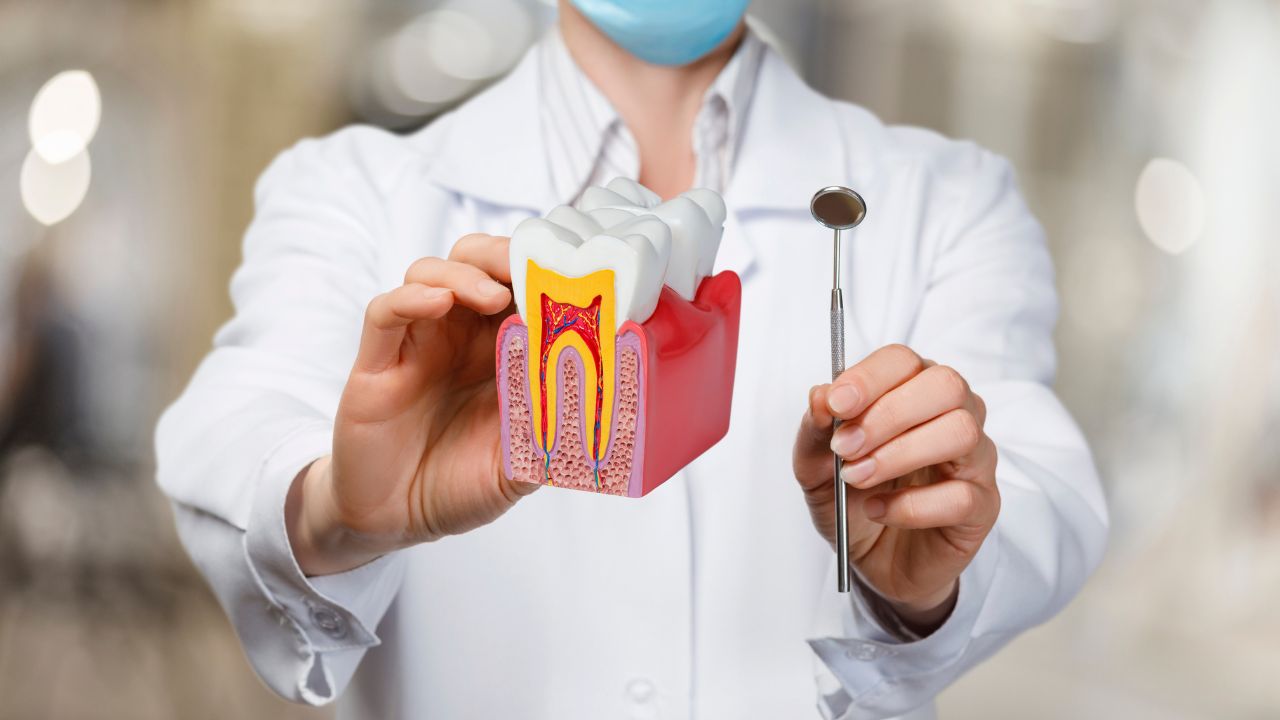
Root canal treatment is a crucial procedure in dental care aimed at saving a tooth that is severely infected or damaged. Recognizing the signs that indicate you might need a root canal can help you seek timely treatment, preventing further complications and preserving your natural tooth. Here are the key signs that you might need a root canal:
1. Persistent Tooth Pain
One of the most common indicators that you might need a root canal is ongoing tooth pain. This pain can vary in intensity and may worsen when you chew or apply pressure to the tooth. It can also radiate to your jaw, face, or other teeth, making it difficult to pinpoint the exact source of discomfort.
2. Sensitivity to Hot and Cold
If you experience sharp pain or prolonged sensitivity when consuming hot or cold foods and beverages, it could be a sign of nerve damage or infection within the tooth. This sensitivity often persists even after the hot or cold stimulus is removed.
3. Swollen or Tender Gums
Swelling or tenderness in the gums around the affected tooth is another sign that you might need a root canal. This swelling can be due to an infection that has spread from the root of the tooth to the surrounding tissues. In some cases, a small pimple-like bump (known as a dental abscess) may form on the gums, which can leak pus.
4. Tooth Discoloration
A tooth that has become discolored, typically turning a darker shade compared to the surrounding teeth, may indicate that the inner pulp is damaged or dying. This discoloration is often due to trauma or an infection affecting the tooth’s nerve.
5. Prolonged Sensitivity to Pressure
If your tooth is highly sensitive to pressure, especially when chewing or biting, it could be a sign that the pulp inside the tooth is inflamed or infected. This type of sensitivity is usually a clear indication that a root canal may be necessary.
6. Persistent Bad Breath or Unpleasant Taste
Chronic bad breath or a persistent bad taste in your mouth can be caused by an infection within the tooth. The bacteria from the infection produce an unpleasant odor that can affect your breath and taste.
7. A Cracked or Chipped Tooth
A tooth that is cracked or chipped due to trauma, grinding, or biting on hard foods can expose the inner pulp to bacteria, leading to infection. Even if the crack or chip seems minor, it can still allow bacteria to enter and infect the pulp, potentially necessitating a root canal.
8. Deep Decay
If tooth decay reaches the inner pulp of the tooth, a root canal is often required to remove the infected tissue and prevent the spread of infection. This deep decay is typically accompanied by severe pain and sensitivity.
9. Loose Tooth
A loose tooth can be a sign of advanced infection. The infection can cause the bone around the tooth to dissolve, making the tooth feel loose. In such cases, a root canal might be needed to eliminate the infection and stabilize the tooth.
10. Previous Dental Work
If you’ve had multiple procedures on a tooth, such as fillings or crowns, and are now experiencing pain or sensitivity in that tooth, it could be a sign that the pulp is damaged. Repeated dental work can stress the tooth and its pulp, leading to the need for a root canal.
Conclusion
Recognizing the signs that you might need a root canal is essential for maintaining your oral health and preventing further complications. Persistent tooth pain, sensitivity to hot and cold, swollen or tender gums, tooth discoloration, sensitivity to pressure, bad breath, cracked or chipped teeth, deep decay, loose teeth, and issues following previous dental work are all indicators that a root canal treatment might be necessary.
If you experience any of these symptoms, it’s important to consult with your dentist as soon as possible. Early diagnosis and treatment can save your tooth and alleviate pain, ensuring your smile stays healthy and bright.