

Please ensure Javascript is enabled for purposes of website accessibility
(616) 676-9177
Ada Pediatric Dentistry logo.
Ada Village Orthodontics logo.
(616) 676-9177

Blog

"Cosmetic

Your Cosmetic Dental Results Don’t Have to Fade: Here’s Why

Your cosmetic dental results don’t have to fade — here’s why Ada patients are keeping their smiles looking great for years. At Norman Family Dentistry, we hear a common concern from patients: How long will my results actually last? It’s a fair and important question. The good news is that with the right care, most cosmetic treatments hold up beautifully. This guide breaks down longevity by treatment type and explains which daily habits make the biggest difference.

How Long Do Cosmetic Dental Results Last in Ada?

Not all cosmetic treatments age the same way. Each procedure has its own expected lifespan depending on the materials used. Understanding these timelines helps you plan and protect your investment wisely.

Here’s a general breakdown of common cosmetic treatments and their typical durability:

  • Teeth whitening: Results last 6 months to 2 years with proper care
  • Dental bonding: Usually lasts 3 to 10 years before touch-ups are needed
  • Porcelain veneers: Can last 10 to 15 years or longer with good hygiene
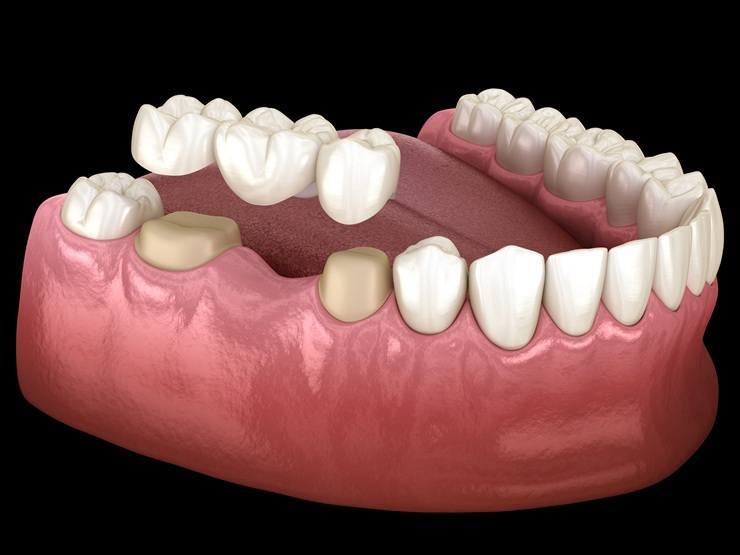
  • Dental crowns: Often last 10 to 20 years when well maintained
  • Clear aligner orthodontics: Results are permanent with consistent retainer use

These are averages, not guarantees. Your personal habits play a huge role in where your results fall on that spectrum. The sections below explain exactly how to stay on the longer end.

Everyday Habits That Protect Your Cosmetic Results in Ada

Your cosmetic dental results don’t have to fade — here’s why Ada patients who follow simple routines see lasting outcomes. Daily choices matter more than most people realize. Protecting your smile is less about expensive products and more about consistency.

The habits below have the strongest impact on longevity:

  • Brush twice daily with a soft-bristled toothbrush
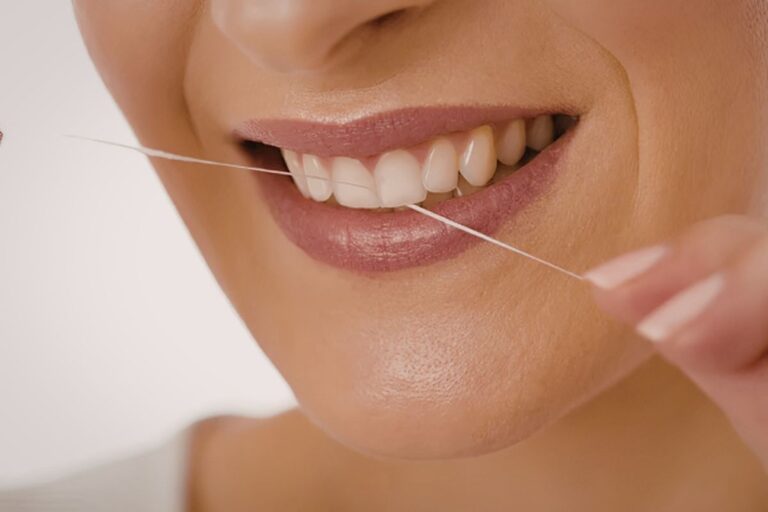
  • Floss every day to prevent gum issues near restorations
  • Avoid biting nails, chewing ice, or using teeth as tools
  • Wear a custom nightguard if you grind your teeth while sleeping
  • Limit dark-colored beverages like coffee, tea, and red wine
  • Quit tobacco use entirely — it stains and weakens dental work

Grinding teeth at night is one of the top causes of premature cosmetic wear. If you notice jaw soreness in the mornings, mention it at your next visit. Our dental team in Ada can fit you with a nightguard quickly and comfortably.

The Role of Preventive and Restorative Care in Maintaining Your Smile

Cosmetic treatments don’t exist in isolation. They rely on a healthy foundation beneath them. Gum disease, decay, or bone loss can all compromise even the most beautiful cosmetic work.

This is why Preventive Dental Treatment Ada is so closely connected to cosmetic longevity. Regular cleanings remove plaque and tartar that degrade bonding materials and stain veneers. Routine exams let our team catch small issues before they become expensive problems.

Similarly, if a tooth near your cosmetic work develops decay, it threatens the entire restoration. Prompt Dental Restorative Treatment Ada addresses those issues early. Keeping surrounding teeth and gums healthy directly extends the life of your cosmetic results. Think of preventive and restorative care as the maintenance plan for your smile investment.

We recommend scheduling a professional cleaning and exam at least twice per year. Patients with certain risk factors — like a history of gum disease — may benefit from more frequent visits. Our team will guide you on the right schedule for your needs.

What to Expect at Follow-Up Appointments After Cosmetic Work

Many patients assume they’re done once their cosmetic procedure is complete. In reality, follow-up care is where the real longevity is built. Routine appointments allow our dental team to monitor how your restorations are holding up over time.

During these visits, we check for early signs of wear, shifting, or staining. We also polish restorations when appropriate and make small adjustments if needed. Catching minor changes early prevents larger failures down the road.

For patients who’ve had orthodontic treatment, retainer compliance is non-negotiable. Teeth naturally want to shift back toward their original position. Wearing your retainer as directed is the single most important step to maintaining a straightened smile permanently.

Patients with veneers or bonding also benefit from periodic professional polishing. Certain at-home products can scratch or dull the surface of dental restorations. Our team can recommend safe products that clean effectively without causing damage.

Foods, Drinks, and Lifestyle Factors That Accelerate Fading

Some lifestyle habits speed up cosmetic wear significantly. Being aware of them helps you make informed choices without giving up things you enjoy. Small adjustments go a long way in preserving your results.

The biggest culprits include:

  • Acidic foods and drinks — citrus, soda, and vinegar weaken enamel and bonding
  • Dark-pigmented beverages — coffee, tea, and red wine cause surface staining
  • Hard or crunchy foods — chewing on hard candies or crusty bread can chip veneers
  • Tobacco products — both smoking and chewing cause deep, stubborn staining
  • Alcohol in mouthwash — can degrade bonding resin over time

You don’t have to eliminate these entirely. Using a straw for dark beverages reduces contact with your teeth. Rinsing with water after acidic foods helps neutralize pH quickly. Simple swaps like these add years to your cosmetic results without dramatic lifestyle changes.

Conclusion: Long-Lasting Smiles Start with the Right Support in Ada

Your cosmetic dental results don’t have to fade — and now you know exactly why Ada patients who commit to consistent care enjoy beautiful smiles for decades. The combination of great home habits, regular professional care, and a proactive mindset makes all the difference. At Norman Family Dentistry, our dental team is here to support your smile every step of the way — from your first cosmetic consultation to your long-term maintenance visits. Book Now to schedule your appointment with our team.

Frequently Asked Questions

How often should I visit the dentist after cosmetic dental work?

Most patients should visit at least twice a year for professional cleanings and exams. If you have a history of gum disease or heavy staining, more frequent visits may be recommended. Regular check-ins allow our team to monitor your restorations and catch any issues early before they affect your results.

Can teeth whitening results be extended at home?

Yes, whitening results last longer when you limit dark beverages, avoid tobacco, and maintain excellent brushing habits. Using a whitening toothpaste approved by your dentist can also help. Touch-up treatments every six to twelve months keep your shade looking fresh and consistent over time.

Do veneers stain the same way natural teeth do?

Porcelain veneers are more stain-resistant than natural enamel, but they are not completely stain-proof. The bonding edges and any composite bonding material can pick up color from coffee, tea, or tobacco. Routine professional polishing and good home care keep them looking bright for many years.

What happens if I stop wearing my retainer after orthodontic treatment?

Teeth naturally shift back toward their original positions without a retainer. Even a few weeks without wearing it can cause noticeable movement. Consistent retainer use — especially in the first year after treatment — is the most important factor in maintaining your straightened smile permanently.

Is cosmetic dental work suitable for children or teens in Ada?

Some cosmetic treatments, like bonding, are appropriate for teenagers in certain situations. However, many cosmetic procedures are best suited for patients whose smiles have fully developed. Our dental team evaluates each patient individually and recommends the most age-appropriate options to protect developing teeth while addressing cosmetic concerns.
"Pediatric

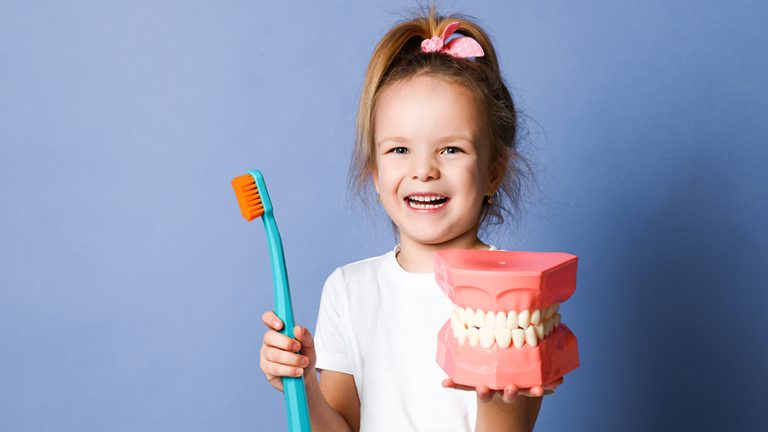
Cavity Prevention for Kids: The Brushing, Diet, and Sealant Guide Parents Need

Keeping your child’s smile healthy starts long before their first loose tooth. Cavity prevention for kids is one of the most important things Forest Hills parents can do for their child’s long-term health. The good news? With the right brushing habits, smart food choices, and professional support, most cavities are entirely avoidable. This guide breaks it all down in simple, practical steps you can start using today.

Brushing by Age: What Forest Hills Parents Need to Know

Brushing isn’t one-size-fits-all when it comes to kids. Technique and toothpaste amount change significantly as your child grows. Starting early builds habits that last a lifetime.

Here’s a quick age-by-age breakdown to follow:

  • 0–2 years: Wipe gums with a soft, damp cloth. Use a rice-grain-sized amount of fluoride toothpaste once the first tooth appears.
  • 2–5 years: Brush twice daily with a pea-sized amount of toothpaste. Parents should do the brushing — kids this age lack the coordination to do it well.
  • 6–8 years: Supervise brushing closely. Teach a circular motion along the gumline and all tooth surfaces.
  • 9 and up: Kids can brush independently, but periodic check-ins still matter. Reinforce brushing for two full minutes, twice a day.

Flossing matters too. Start flossing your child’s teeth as soon as two teeth touch each other. This is often earlier than most parents expect.

Diet Choices That Protect (or Damage) Young Smiles

What your child eats plays a massive role in cavity prevention. Sugar feeds the bacteria that cause tooth decay. Every snack and sip counts throughout the day.

Some foods and drinks are more damaging than others. It isn’t just candy — many healthy-seeming options can still harm enamel.

Watch out for these common culprits:

  • Fruit juice and sports drinks (high in sugar and acid)
  • Gummy vitamins and chewy snacks that stick to teeth
  • Crackers and starchy snacks that break down into sugar
  • Frequent sipping of anything other than water throughout the day

Swap sugary drinks for water whenever possible. Milk is also a good choice — it contains calcium that strengthens enamel. Crunchy fruits and vegetables like apples and carrots naturally help clean teeth between meals.

Timing matters too. Frequent snacking keeps sugar in contact with teeth longer. Encourage set meal and snack times rather than grazing all day. This gives saliva time to neutralize acids and protect enamel.

Fluoride and Sealants: Your Child’s Best Cavity Defense

Fluoride is one of the most proven tools in Preventive Dental Treatment Forest Hills families rely on. It strengthens enamel and helps reverse the earliest stages of tooth decay. Most children get fluoride through toothpaste, but professional fluoride treatments at the dentist offer an extra layer of protection.

Dental sealants take protection even further. Sealants are thin, plastic coatings painted onto the chewing surfaces of back teeth. They fill in the deep grooves where food and bacteria hide. Most cavities in children form in exactly those spots.

Sealants are quick, painless, and highly effective. Studies show they reduce the risk of cavities in molars by nearly 80 percent. Our dental team typically recommends sealants when permanent molars come in, usually around ages 6 and 12.

If a cavity does develop despite prevention efforts, prompt treatment is important. Dental Restorative Treatment Forest Hills options like tooth-colored fillings restore the tooth and stop decay from spreading. Early treatment always leads to better outcomes.

When to Worry: Signs Your Child May Have a Cavity

Cavities don’t always cause obvious pain, especially in early stages. Many children have tooth decay without any symptoms at all. That’s why regular dental checkups are so essential — they catch problems before they grow.

Still, there are warning signs parents should watch for between visits. Acting quickly makes treatment simpler and more comfortable for your child.

Contact your dentist if you notice any of the following:

  • White spots or dark areas on the surface of a tooth
  • Sensitivity to hot, cold, or sweet foods
  • Complaints of tooth pain or discomfort when chewing
  • Visible holes or pits in the teeth
  • Bad breath that doesn’t go away with brushing

Baby teeth matter even though they eventually fall out. Decay in primary teeth can affect the development of permanent teeth underneath. It can also cause pain that interferes with eating and learning. Treat any concerns promptly — don’t wait for the next scheduled visit if something seems wrong.

Building a Cavity-Free Routine for Forest Hills Families

Consistent habits at home combined with regular professional care form the foundation of a healthy smile. Aim for dental visits every six months starting around your child’s first birthday. Early visits familiarize kids with the dental chair and catch issues early.

Make brushing fun and stress-free. Use a timer or play a two-minute song. Let your child pick their own toothbrush. Small choices give kids a sense of ownership over their oral health.

Talk positively about dental visits. Avoid using words like

Frequently Asked Questions

At what age should my child start brushing their teeth?

You can begin cleaning your child’s mouth as soon as the first tooth appears, typically around 6 months old, using a soft cloth or infant toothbrush with just water. Once your child has several teeth, you can introduce a fluoride toothpaste in a pea-sized amount and brush twice daily. By age 3, establish a consistent routine where your child brushes for two minutes in the morning and before bed.

How effective are dental sealants for preventing cavities?

Dental sealants are highly effective, reducing the risk of decay on chewing surfaces by up to 80 percent. These protective coatings are especially beneficial for permanent molars, which typically erupt around age 6 and are most susceptible to cavities. Our Forest Hills pediatric dental team recommends sealants as part of a comprehensive cavity prevention strategy for children.

What foods and drinks should I limit to protect my child’s teeth?

Limit sugary snacks, candy, soda, and juice, as these feed cavity-causing bacteria in your child’s mouth. Instead, encourage water, milk, and teeth-friendly snacks like cheese, apples, and nuts. If your child does consume sugary items, have them drink water afterward and wait 30 minutes before brushing to avoid damaging softened enamel.

How often should my child visit the dentist for preventive care?

Children should visit the dentist every six months for professional cleanings and checkups, which help detect early signs of decay and allow us to apply fluoride treatments. Regular visits also help your child become comfortable with dental care and establish healthy habits early. At our Forest Hills practice, we make these visits positive and encouraging for young patients.

Can my child get cavities even if they brush regularly?

Yes, cavities can still develop despite good brushing habits if diet, genetics, or tooth positioning create increased cavity risk. This is why a comprehensive approach combining brushing, flossing, dietary choices, fluoride treatments, and sealants is most effective. If your child is cavity-prone, discuss additional preventive options with your pediatric dentist.

"Preventive

Foods Secretly Destroying Your Teeth (And Why Your Dentist Never Mentions Them)

Most people know that candy and soda are bad for teeth. But there are many foods secretly destroying your teeth that patients in Ada never suspect. Understanding the connection between diet and dental health is one of the most powerful things you can do for your smile. At Norman Family Dentistry, we believe knowledge is the first step toward lasting oral health.

You might brush twice a day and floss regularly. Yet damage can still happen at the dinner table. The foods and drinks you choose every single day play a massive role in the condition of your teeth and gums. Let us walk you through the surprising culprits most people never consider.

The Surprising Foods Secretly Destroying Your Teeth in Ada

Most dental conversations focus on sugar. But acids, starches, and even healthy-seeming foods can cause serious harm. Many Ada residents eat these foods daily without realizing the risk. Let’s break down the biggest offenders your diet may already include.

Citrus fruits are loaded with vitamins but highly acidic. Lemons, oranges, and grapefruits erode enamel over time. Even squeezing lemon into your water adds consistent acid exposure to your teeth. Enjoy citrus in moderation and rinse with water afterward.

Dried fruits feel like a healthy snack. But they are sticky, concentrated in sugar, and cling to tooth surfaces for hours. Raisins, apricots, and cranberries are common offenders. Opt for fresh fruit whenever possible to reduce that sticky coating effect.

White bread and crackers break down into simple sugars almost immediately. These starches get lodged between teeth and feed cavity-causing bacteria. Even chips and pretzels create this effect. People rarely think of bread as a dental hazard, but it truly is.

  • Citrus fruits — highly acidic, erodes enamel
  • Dried fruits — sticky, high in concentrated sugar
  • White bread and crackers — convert to sugar quickly
  • Sports drinks — surprisingly acidic and sugary
  • Ice — chewing it cracks enamel and damages restorations
  • Pickles — vinegar-based, very erosive to enamel

Drinks That Damage Teeth More Than You Think

What you drink matters just as much as what you eat. Beverages bathe your entire mouth in their contents with every sip. Some drinks damage teeth far more than most Ada patients expect. Here are the worst offenders hiding in plain sight.

Coffee and tea stain enamel and dry out the mouth. A dry mouth reduces saliva, which is your body’s natural defense against bacteria. Adding sugar to these drinks compounds the problem significantly. Drink water alongside coffee or tea to minimize the damage.

Sports drinks are marketed as healthy. But they are highly acidic and often loaded with sugar. Athletes in Ada who sip these throughout the day expose their teeth to prolonged acid attacks. Water is nearly always the better choice for hydration.

Alcohol dries out the mouth and reduces saliva flow dramatically. Saliva is critical for neutralizing acids and washing away food particles. Frequent alcohol consumption creates an environment where bacteria thrive. Drinking water between alcoholic beverages can help reduce harm.

Why Your Dentist Might Not Always Bring It Up — And What You Can Do

Dental appointments are often short and packed with clinical tasks. Your dentist focuses on diagnosing and treating existing problems during that time. Diet conversations can get squeezed out when there are cavities to fill or x-rays to review. That does not mean your diet does not matter — it absolutely does.

Our dental team at Norman Family Dentistry takes a whole-health approach to your care. We want to help you understand what is happening between appointments. Protecting your teeth starts with daily choices you make at home. Preventive habits built around your diet can save you significant time in the dental chair.

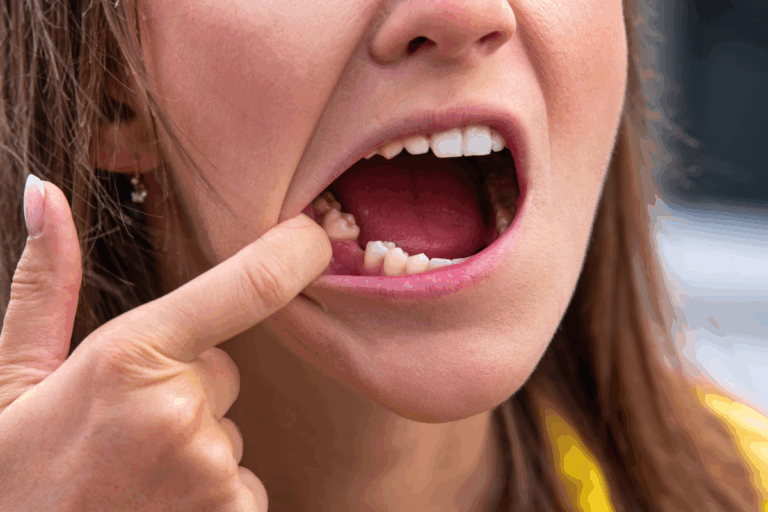
If your teeth are showing signs of acid erosion or decay, our team can help with Dental Restorative Treatment Ada patients trust. Catching damage early means less invasive treatment and better long-term outcomes. Do not wait until a small issue becomes a serious problem. Early intervention makes all the difference.

  • Rinse your mouth with water after eating acidic foods
  • Wait 30 minutes before brushing after consuming acidic items
  • Chew sugar-free gum to stimulate saliva production
  • Use a straw when drinking acidic or sugary beverages
  • Choose water as your primary beverage throughout the day
  • Eat cheese after meals — it neutralizes acids naturally

Protecting Your Smile with Preventive Dental Treatment in Ada

The best defense against diet-related damage is a strong preventive routine. Regular cleanings remove built-up plaque that diet and brushing alone cannot fully address. Professional fluoride treatments strengthen enamel against acid erosion. Dental sealants provide an extra barrier for back teeth where food gets trapped most easily.

At Norman Family Dentistry, we offer Preventive Dental Treatment Ada families rely on to stay ahead of tooth decay. From routine cleanings to oral cancer screenings, we cover every aspect of your dental health. Prevention is always more comfortable — and more affordable — than treating damage after it occurs. We make it easy to stay on top of your care year-round.

If you have children, diet-related dental damage is an even greater concern. Kids often consume more sugar and acidic drinks without understanding the consequences. Teaching healthy habits early sets the foundation for a lifetime of strong teeth. Our pediatric dentistry team works with kids in a way that feels comfortable and encouraging.

Periodontal health is also closely linked to diet. Sugary and starchy foods fuel the bacteria responsible for gum disease. If your gums bleed or feel tender, your diet could be a contributing factor. Our team can assess your gum health and provide targeted guidance during your next visit.

Conclusion: Your Diet Is Your Smile’s Best Friend or Worst Enemy

The foods and drinks you choose every day either protect or destroy your teeth over time. Many of the worst offenders are things you would never suspect — bread, sports drinks, dried fruit, and even citrus. Being aware of these risks puts you in control of your long-term dental health. Small, consistent changes to your diet can lead to dramatically healthier teeth and gums.

Norman Family Dentistry is here to help Ada residents make informed, empowered choices about their oral health. Our friendly team combines patient education with expert clinical care. We want every visit to leave you feeling more confident about your smile. Book Now to schedule your appointment with our team.

Frequently Asked Questions

What foods are most damaging to tooth enamel?

Highly acidic foods and drinks cause the most enamel erosion. This includes citrus fruits, vinegar-based foods like pickles, sports drinks, and soda. Sticky, sugary foods like dried fruit also cause significant damage by feeding cavity-causing bacteria. Limiting these and rinsing with water after eating helps protect your enamel.

Is it true that healthy foods can also damage teeth?

Yes, some nutritious foods can still harm your teeth. Citrus fruits, apple cider vinegar, and certain whole-grain crackers are examples. That does not mean you should avoid them entirely. It means being mindful of how often you consume them and rinsing or drinking water afterward.

How often should I visit Norman Family Dentistry for preventive care?

Most patients benefit from visiting the dentist every six months for a cleaning and examination. Some patients with a history of gum disease or frequent cavities may need more frequent visits. Our team will recommend a schedule that fits your individual needs and risk factors.

Can diet changes reverse existing tooth decay?

Diet changes can stop decay from progressing further, but they cannot reverse existing cavities. Once a cavity forms, it requires professional treatment to address. Improving your diet alongside regular dental visits is the most effective combination for long-term dental health. Early treatment keeps restorations smaller and less invasive.

What drinks are safest for my teeth throughout the day?

Water is the best drink for your teeth, especially fluoridated water. Milk is also a good option because it contains calcium that supports enamel strength. Unsweetened herbal teas are relatively low risk compared to caffeinated or sugary options. Avoid sipping on acidic or sugary drinks throughout the day, as prolonged exposure causes the most damage.

1 2 3 … 6 7