

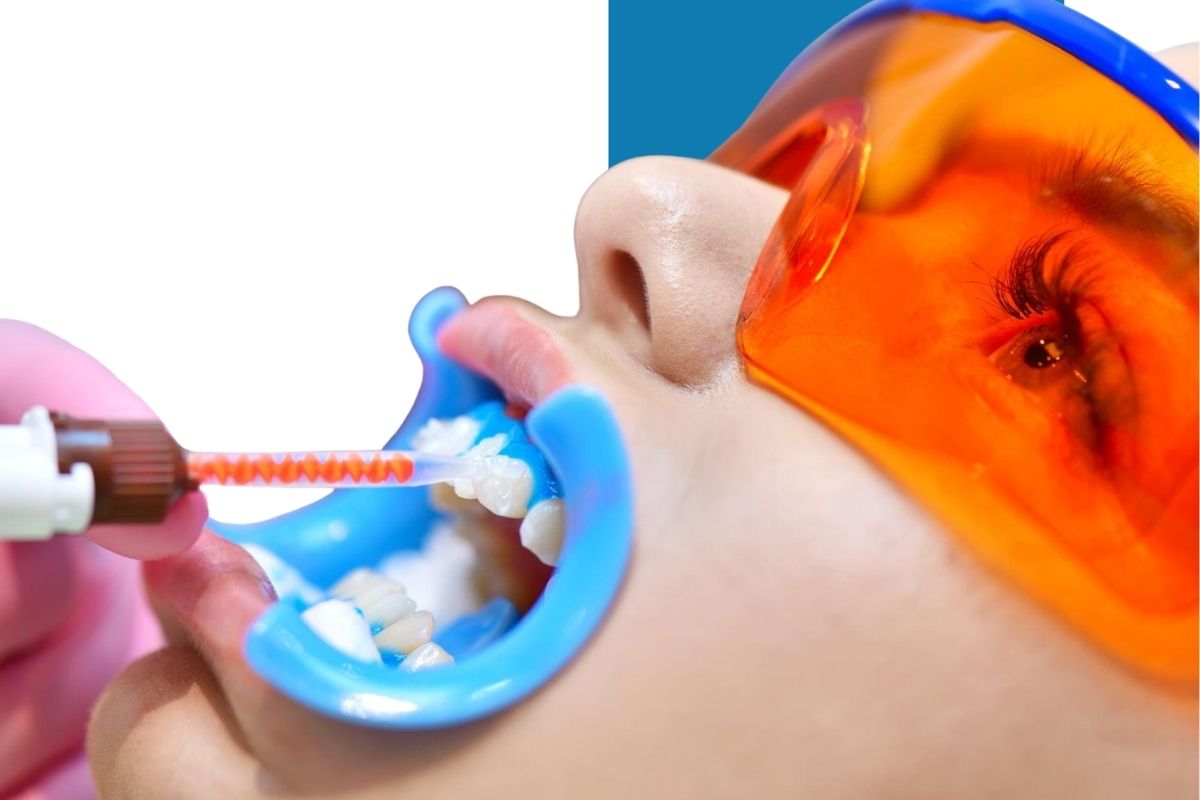
A brighter smile can boost confidence, enhance your appearance, and even make you look younger. But with so many whitening products and DIY remedies available, it’s easy to choose options that can harm your teeth instead of helping them. The key is understanding safe, dentist-approved methods that deliver noticeable results without causing sensitivity or enamel damage.
At Norman Family Dentistry, we believe patients deserve a whiter smile without compromising long-term oral health. This guide explains the safest ways to whiten your teeth, what to avoid, and how to maintain your results for years to come.
Why Teeth Become Discolored
Before exploring teeth whitening solutions, it’s important to understand why teeth lose their brightness over time.
Common Causes of Tooth Stains
-
- Food and beverages: Coffee, tea, red wine, berries, and dark sauces
-
- Tobacco use: Smoking or chewing tobacco leads to stubborn yellow or brown stains
-
- Aging: Enamel naturally thins, exposing the darker dentin beneath
-
- Poor oral hygiene: Plaque and tartar buildup contribute to discoloration
-
- Medications: Certain antibiotics and treatments can stain teeth
-
- Trauma: Injuries can darken a tooth internally
There are two main types of stains:
-
- Extrinsic stains: Surface-level and easier to remove
-
- Intrinsic stains: Deeper within the tooth and require professional treatment
What Makes Teeth Whitening “Safe”?
Safe whitening focuses on protecting your enamel and avoiding long-term sensitivity. The best methods:
-
- Use controlled amounts of whitening agents (like hydrogen peroxide or carbamide peroxide)
-
- Avoid overly abrasive ingredients that wear down enamel
-
- Are supervised or recommended by dental professionals
-
- Match your specific dental needs and sensitivity level
Not all whitening products meet these criteria—especially DIY or viral trends.
Safest Ways to Whiten Your Teeth
1. Professional In-Office Whitening
This is widely considered the safest and most effective whitening method.
Why It’s Safe
-
- Performed under dental supervision
-
- Gums and soft tissues are protected
-
- Controlled, high-quality whitening agents are used
-
- Immediate, dramatic results with minimal risk
Benefits
-
- Fast results (often in one visit)
-
- Customized treatment
-
- Reduced sensitivity compared to OTC misuse
2. Custom Take-Home Whitening Trays
Dentist-prescribed trays offer a safe middle ground between professional treatment and at-home convenience.
Why It’s Safe
-
- Custom-fit trays prevent gel from irritating gums
-
- Professional-grade whitening gel is provided
-
- Instructions are tailored to your sensitivity level
Benefits
-
- Gradual whitening over 1–2 weeks
-
- Even, consistent results
-
- Lower risk of overuse
3. ADA-Approved Whitening Toothpastes
Whitening toothpastes are safe for daily use but offer subtle results.
Why It’s Safe
-
- Mild abrasives remove surface stains without damaging enamel
-
- No bleaching agents (or very low concentrations)
Benefits
-
- Maintains results after professional whitening
-
- Easy addition to daily routine
4. Over-the-Counter Whitening Strips (Used Carefully)
Whitening strips can be effective if used correctly.
Safety Tips
-
- Follow instructions strictly
-
- Avoid prolonged or repeated overuse
-
- Stop if you experience sensitivity
Pros
-
- Affordable and accessible
-
- Noticeable results over time
Whitening Methods to Avoid
Not all whitening trends are safe. Some can permanently damage your enamel.
Charcoal Toothpaste
-
- Highly abrasive
-
- Can wear down enamel over time
Lemon Juice or Baking Soda Scrubs
-
- Acidic and abrasive
-
- Weakens enamel and increases sensitivity
Hydrogen Peroxide Misuse
-
- High concentrations can burn gums and irritate teeth
DIY Social Media Hacks
-
- Often untested and unsafe
-
- May cause irreversible damage
If a method sounds too aggressive or “instant,” it’s usually not safe.
How to Whiten Teeth Without Causing Sensitivity
To protect your teeth during whitening:
-
- Choose dentist-approved products
-
- Avoid overuse of whitening treatments
-
- Use toothpaste for sensitive teeth
-
- Take breaks between treatments
-
- Stay hydrated to support saliva production
If you already have sensitive teeth, consult your dentist before starting any whitening treatment.
Who Should Avoid Teeth Whitening?
Whitening isn’t ideal for everyone. You should consult a dentist if you:
-
- Have untreated cavities or gum disease
-
- Experience severe tooth sensitivity
-
- Are pregnant or breastfeeding
-
- Have crowns, veneers, or fillings (these don’t whiten)
A dental exam ensures whitening is safe and effective for your situation.
How Long Do Whitening Results Last?
Results vary depending on lifestyle habits, but typically:
-
- Professional whitening: 1–3 years
-
- At-home trays or strips: 6–12 months
Tips to Maintain Results
-
- Limit staining foods and drinks
-
- Use a straw for dark beverages
-
- Brush and floss regularly
-
- Schedule routine dental cleanings
-
- Avoid smoking
Consistency plays a major role in keeping your smile bright.
The Importance of Professional Guidance
Teeth whitening may seem simple, but improper use can lead to:
-
- Enamel erosion
-
- Gum irritation
-
- Uneven whitening
-
- Increased sensitivity
That’s why professional oversight matters. A dentist can:
-
- Identify the cause of discoloration
-
- Recommend the safest method
-
- Customize treatment for your smile
-
- Monitor progress and adjust as needed
This ensures you achieve the best results without risking your oral health.
Whitening your teeth doesn’t have to come at the expense of your enamel. By choosing safe, dentist-approved methods like professional whitening or custom trays, you can achieve a radiant smile while protecting your long-term oral health.
Avoid harsh DIY methods, follow proper guidelines, and always prioritize safety over quick fixes. A brighter smile should enhance your health—not harm it.
At Norman Family Dentistry, we provide safe, effective teeth whitening solutions tailored to your needs. Whether you’re looking for immediate results or gradual improvement, our team is here to guide you every step of the way.
Schedule your appointment today at 519 Ada Dr SE, Suite A, Ada, MI 49301, and take the first step toward a healthier, more confident smile.
FAQs
1. What is the safest way to whiten teeth?
Professional whitening at a dental office is the safest and most effective method.
2. Can teeth whitening damage enamel?
When done incorrectly or excessively, yes. Dentist-supervised whitening is designed to protect enamel.
3. How can I whiten my teeth without sensitivity?
Use dentist-approved products, follow instructions carefully, and consider treatments designed for sensitive teeth.
4. Are whitening strips safe?
Yes, when used as directed. Overuse can cause irritation or sensitivity.
5. How often should I whiten my teeth?
It depends on the method, but most people benefit from occasional treatments combined with good oral hygiene.