

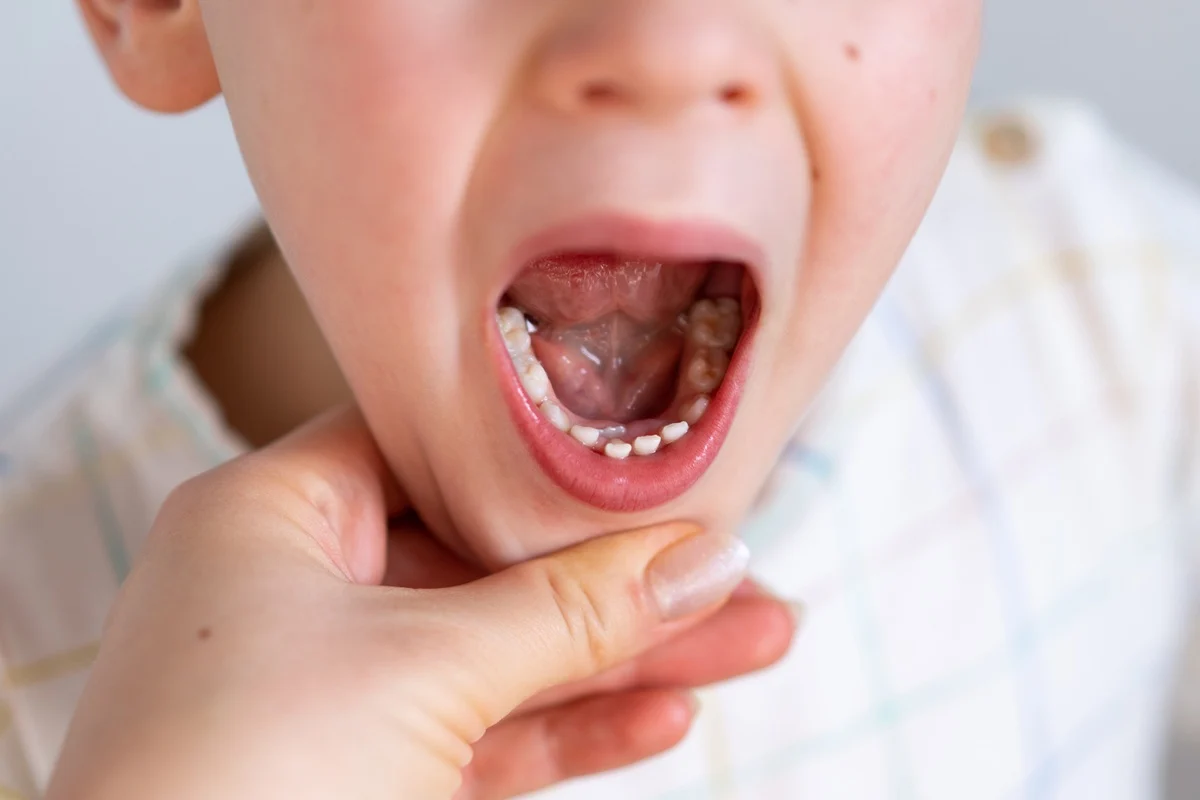
As a parent, you want your child to grow up with a healthy, confident smile. While many people associate orthodontic treatment with teenagers wearing braces, orthodontic concerns often begin much earlier. In fact, some issues can be identified while a child still has a mix of baby and permanent teeth.
The challenge is that orthodontic problems don’t always look obvious at first. A child may seem to have a normal smile, yet subtle signs can indicate developing alignment or bite issues that may benefit from professional attention.
At Norman Family Dentistry in Ada, MI, Dr. Devin Norman and Dr. Elizabeth Perone help families monitor their children’s oral development and identify concerns before they become more complex. Early evaluation doesn’t necessarily mean immediate treatment, but it can provide valuable information about your child’s growing smile.
So, how can you tell whether your child may need orthodontic treatment? Here are five common signs parents should watch for.
Why Early Orthodontic Evaluations Matter
Many parents are surprised to learn that orthodontic assessments can begin long before all permanent teeth have erupted. The American Association of Orthodontists recommends that children receive an orthodontic evaluation by age seven.
This recommendation isn’t because every seven-year-old needs braces. Instead, it allows dental professionals to evaluate jaw growth, tooth eruption patterns, and bite development during an important stage of childhood.
Early detection can help prevent more significant issues later. In some cases, simple interventions may guide proper development and reduce the need for extensive treatment in the future. Even when immediate orthodontic treatment isn’t necessary, regular monitoring helps ensure that emerging concerns don’t go unnoticed.
Sign #1: Crowded or Crooked Teeth
One of the most recognizable indicators of orthodontic concerns is crowding. When there isn’t enough room in the jaw for permanent teeth to emerge properly, teeth may overlap, rotate, or become misaligned.
Parents often notice this when adult teeth begin coming in behind baby teeth or when new teeth appear twisted rather than straight.
Crowded teeth can create more than cosmetic concerns. They may make brushing and flossing difficult, increasing the risk of plaque buildup, cavities, and gum problems. Areas where teeth overlap can be harder to clean effectively, even for children who maintain good oral hygiene habits.
You might notice:
- Teeth that overlap significantly
- Adult teeth erupting in unusual positions
- Rotated or twisted teeth
- Limited space between teeth
- Difficulty flossing between certain teeth
Not every case of crowding requires immediate treatment, but an orthodontic evaluation can determine whether intervention may help create proper spacing as your child’s mouth develops.
Sign #2: Difficulty Biting or Chewing Food
Children rarely complain about bite problems because they often assume their experience is normal. However, difficulty chewing can sometimes indicate underlying orthodontic issues.
A healthy bite allows the upper and lower teeth to work together efficiently. When teeth don’t align properly, chewing can become less effective and more uncomfortable.
Parents may notice their child:
- Frequently biting the inside of their cheeks
- Struggling to chew certain foods
- Chewing on only one side of the mouth
- Avoiding tougher foods
- Taking unusually long to finish meals
Bite misalignment can place excessive stress on certain teeth and jaw muscles. Over time, these uneven forces may contribute to wear, discomfort, or functional problems.
An orthodontic evaluation can help determine whether bite correction may improve both comfort and long-term oral health.
Sign #3: Early, Late, or Irregular Loss of Baby Teeth
Baby teeth play a much larger role than many parents realize. They act as natural placeholders that guide permanent teeth into their proper positions.
When baby teeth are lost significantly earlier or later than expected, the eruption pattern of permanent teeth can be affected.
For example, if a baby tooth is lost too early, neighboring teeth may drift into the empty space. This movement can reduce the room available for incoming permanent teeth, increasing the likelihood of crowding.
On the other hand, baby teeth that remain in place too long can sometimes interfere with the eruption of permanent teeth.
Parents should mention concerns if they notice:
- Baby teeth falling out much earlier than peers
- Permanent teeth erupting before baby teeth fall out
- Adult teeth emerging in unusual locations
- Delayed eruption of permanent teeth
- Uneven tooth development
Monitoring tooth eruption patterns allows dental professionals to identify potential spacing or alignment concerns before they become more difficult to manage.
Sign #4: Jaw Shifting, Clicking, or Bite Problems
A child’s bite should feel comfortable and stable when the mouth closes. If the jaws shift noticeably or teeth don’t meet properly, orthodontic treatment may be beneficial.
Several types of bite issues can affect children, including:
Overbite
An overbite occurs when the upper front teeth excessively overlap the lower front teeth.
Underbite
An underbite occurs when the lower teeth extend farther forward than the upper teeth.
Crossbite
A crossbite develops when certain upper teeth sit behind the lower teeth when biting down.
Open Bite
An open bite leaves a gap between the upper and lower teeth even when the mouth is closed.
Parents may notice:
- Jaw movement when closing the mouth
- Clicking or popping sounds
- Difficulty bringing teeth together comfortably
- An uneven smile appearance
- Teeth that don’t seem to fit together properly
Because the jaws continue developing throughout childhood, identifying these concerns early may provide more treatment options and potentially simpler solutions.
Sign #5: Mouth Breathing or Prolonged Thumb Sucking
Some childhood habits can influence dental development over time.
Mouth breathing, especially when persistent, may affect facial growth patterns and jaw development. Children who primarily breathe through their mouths sometimes develop narrower dental arches or changes in tooth alignment.
Thumb sucking and prolonged pacifier use can also impact developing teeth. While these habits are common in infancy and early childhood, continuing them beyond the toddler years may contribute to orthodontic concerns.
Possible signs include:
- Front teeth that protrude outward
- Gaps between teeth
- Changes in bite alignment
- Narrow upper jaw development
- Open bite formation
Not every child who sucks their thumb will require orthodontic treatment. However, prolonged habits may increase the likelihood of future alignment issues.
A dental evaluation can help determine whether these habits are affecting oral development.
What Happens During an Orthodontic Evaluation?
Many parents worry that an orthodontic evaluation automatically leads to braces. In reality, most early evaluations focus on observation and planning rather than immediate treatment.
During an assessment, your dentist may evaluate:
- Tooth alignment
- Jaw growth
- Bite relationships
- Eruption patterns
- Available space for incoming teeth
Digital imaging and dental examinations provide valuable information about how your child’s smile is developing.
Sometimes the recommendation is simply continued monitoring. Other times, early intervention may help guide development and prevent future complications.
The goal is always to support healthy growth while preserving as many treatment options as possible.
Can Early Orthodontic Treatment Prevent Bigger Problems Later?
In many cases, yes.
Interceptive orthodontic treatment can address developing issues while a child’s jaw is still growing. By guiding growth at the right stage, treatment may reduce the severity of future alignment concerns.
Benefits may include:
- Improved tooth eruption patterns
- Better jaw development
- Reduced crowding
- Improved bite function
- Lower risk of future complications
Every child is unique, which is why individualized evaluations are so important.
Some children benefit greatly from early treatment, while others simply need periodic observation until all permanent teeth have erupted.
When Should Parents Schedule an Evaluation?
If you notice any of the signs discussed above, it’s worth discussing them with your dentist.
Even if your child’s teeth appear relatively straight, subtle developmental issues may not be obvious without a professional examination.
Early evaluation provides peace of mind. Whether treatment is needed now, later, or not at all, you’ll have a clearer understanding of your child’s oral development and future needs.
Supporting Healthy Smiles at Every Stage
Orthodontic concerns often develop gradually, making them easy for parents to overlook. Fortunately, recognizing early warning signs can make a significant difference in long-term oral health.
Crowded teeth, chewing difficulties, irregular tooth eruption, bite problems, and prolonged oral habits are all potential indicators that your child may benefit from an orthodontic evaluation.
At Norman Family Dentistry in Ada, MI, Dr. Devin Norman and Dr. Elizabeth Perone are committed to helping children develop healthy, functional smiles that last a lifetime. Through regular dental visits and early monitoring, families can feel confident that their child’s oral development is progressing in the right direction.
If you’ve noticed any of these signs—or simply want reassurance that your child’s smile is developing properly – schedule an appointment with Norman Family Dentistry today. A proactive evaluation can help identify concerns early and support a healthier smile for years to come.
FAQs About Orthodontic Issues in Children
Most children should have an orthodontic evaluation by age seven to identify potential bite or alignment concerns early.
Not necessarily. Some cases require monitoring, while others may benefit from orthodontic treatment to improve alignment and function.
Yes. Prolonged thumb sucking can affect tooth alignment, bite development, and jaw growth.
Crowding, overbites, underbites, crossbites, open bites, and improper tooth eruption are among the most common concerns.