

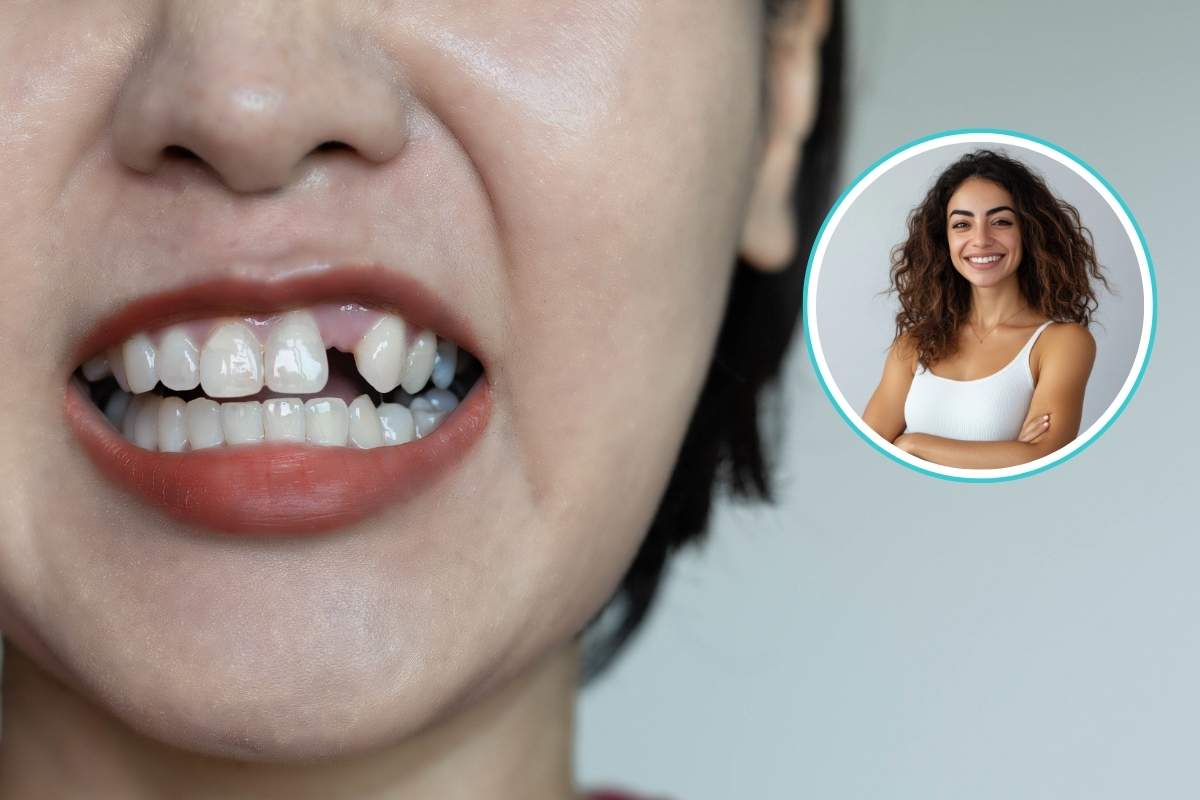
Missing teeth can affect much more than your appearance. They can impact your ability to chew, speak clearly, maintain jawbone health, and feel confident in social situations. Fortunately, modern dentistry offers several advanced long-term tooth replacement options that look natural, improve oral function, and help restore your smile for years to come.
Whether you are missing one tooth, several teeth, or a full arch, understanding the best permanent tooth replacement solutions can help you make the right decision for your oral health and lifestyle.
We’ll explore the 5 best long-term tooth replacement options, their benefits, drawbacks, and which patients may benefit most from each treatment.
Why Replacing Missing Teeth Is Important
Leaving missing teeth untreated can lead to several oral health complications, including:
-
- Bone loss in the jaw
-
- Shifting of neighboring teeth
-
- Bite alignment problems
-
- Difficulty chewing food
-
- Speech challenges
-
- Increased risk of gum disease
-
- Premature facial aging
Modern restorative dentistry provides reliable and natural-looking solutions that can prevent these issues while restoring confidence and comfort.
1. Dental Implants – The Gold Standard for Tooth Replacement
What Are Dental Implants?
Dental implants are titanium posts surgically placed into the jawbone to replace missing tooth roots. After healing, a dental crown, bridge, or denture is attached to the implant.
Dental implants are widely considered the most durable and natural-looking tooth replacement option available today.
Benefits of Dental Implants
-
- Long-lasting and highly durable
-
- Look and function like natural teeth
-
- Prevent jawbone deterioration
-
- Do not rely on neighboring teeth
-
- Easy to maintain with regular brushing and flossing
-
- Improve speech and chewing ability
Potential Drawbacks
-
- Higher upfront cost
-
- Requires oral surgery
-
- The healing period may take several months
Best For
-
- Patients missing one or multiple teeth
-
- Individuals with healthy jawbone density
-
- People seeking a permanent solution
How Long Do Dental Implants Last?
With proper care, dental implants can last 20 years or more, and many last a lifetime.
2. Implant-Supported Dentures
What Are Implant-Supported Dentures?
Implant-supported dentures combine traditional dentures with dental implants for improved stability and comfort. Instead of resting solely on the gums, the denture securely attaches to implants placed in the jawbone.
This solution offers a more stable alternative to removable dentures.
Benefits
-
- More secure than traditional dentures
-
- Reduced slipping and movement
-
- Better chewing efficiency
-
- Helps preserve jawbone health
-
- Improved comfort and confidence
Potential Drawbacks
-
- Requires implant surgery
-
- Higher cost than conventional dentures
-
- The treatment timeline may vary
Best For
-
- Patients missing most or all teeth
-
- Individuals frustrated with loose dentures
-
- Those seeking improved function and stability
3. Dental Bridges
What Are Dental Bridges?
Dental bridges are fixed restorations that replace one or more missing teeth by anchoring artificial teeth to adjacent natural teeth or implants.
Traditional bridges are commonly used when dental implants are not ideal for the patient.
Benefits
-
- Fixed and non-removable
-
- Faster treatment compared to implants
-
- Restores appearance and chewing ability
-
- More affordable than implants
Potential Drawbacks
-
- Adjacent healthy teeth may require reshaping
-
- Does not prevent bone loss beneath a missing tooth
-
- May eventually need replacement
Best For
-
- Patients missing one or a few consecutive teeth
-
- Individuals seeking a quicker restoration option
-
- Patients with insufficient bone for implants
Longevity
Dental bridges can last 10–15 years or longer with excellent oral hygiene and regular dental visits.
4. Full or Partial Dentures
What Are Dentures?
Dentures are removable appliances designed to replace missing teeth and surrounding tissues. They are available as full dentures for complete tooth loss or partial dentures for several missing teeth.
Modern dentures are more natural-looking and comfortable than older versions.
Benefits
-
- Cost-effective tooth replacement
-
- Non-surgical solution
-
- Restores appearance and basic function
-
- Suitable for extensive tooth loss
Potential Drawbacks
-
- Can shift or loosen over time
-
- May require adhesives
-
- Bone loss can affect fit
-
- Reduced chewing strength compared to implants
Best For
-
- Patients seeking affordable restoration
-
- Individuals unable to undergo surgery
-
- Full-mouth tooth replacement cases
5. All-on-4 Dental Implants
What Is All-on-4?
All-on-4 dental implants is an advanced full-mouth restoration technique that uses four strategically placed implants to support a complete arch of replacement teeth.
This innovative treatment offers a permanent alternative to removable dentures.
Benefits
-
- Full smile restoration with fewer implants
-
- Stable and secure teeth
-
- Often allows same-day temporary teeth
-
- Improved aesthetics and chewing ability
-
- Helps preserve facial structure
Potential Drawbacks
-
- Surgical procedure required
-
- Higher initial investment
-
- Requires healthy gums and adequate bone
Best For
-
- Patients with significant tooth loss
-
- Individuals seeking permanent full-mouth restoration
-
- Those wanting greater comfort than dentures
Comparing Long-Term Tooth Replacement Options
| Tooth Replacement Option | Durability | Stability | Bone Preservation | Cost Range |
|---|---|---|---|---|
| Dental Implants | Excellent | Excellent | Excellent | Higher |
| Implant-Supported Dentures | Excellent | Very Good | Very Good | Moderate to High |
| Dental Bridges | Good | Good | Limited | Moderate |
| Traditional Dentures | Moderate | Moderate | Limited | Lower |
| All-on-4 Dental Implants | Excellent | Excellent | Excellent | Higher |
Which Tooth Replacement Option Is Right for You?
The best tooth replacement solution depends on several factors, including:
-
- Number of missing teeth
-
- Jawbone health
-
- Budget
-
- Oral health condition
-
- Lifestyle preferences
-
- Long-term goals
A qualified dental professional can evaluate your needs and recommend the ideal treatment plan tailored to your smile.
How to Care for Your Tooth Replacement
No matter which option you choose, maintaining good oral hygiene is essential for long-term success.
Important Care Tips
-
- Brush twice daily
-
- Floss regularly
-
- Attend routine dental checkups
-
- Avoid smoking
-
- Wear a nightguard if recommended
-
- Follow your dentist’s maintenance instructions
Proper care can significantly extend the lifespan of your restoration.
Benefits of Modern Tooth Replacement Solutions
Today’s restorative dentistry treatments offer more than cosmetic improvements. Long-term tooth replacement options can help:
-
- Restore confidence
-
- Improve oral health
-
- Enhance speech clarity
-
- Support facial structure
-
- Improve nutrition through better chewing
-
- Increase overall quality of life
Modern materials and techniques make replacement teeth more comfortable, natural-looking, and durable than ever before.
Missing teeth no longer have to impact your confidence or oral health. From dental implants to All-on-4 restorations and implant-supported dentures, modern dentistry offers reliable long-term solutions for every smile and budget.
If you are considering permanent tooth replacement, booking an appointment with a dental professional today is the first step toward restoring your smile and improving your quality of life.