
Can you get a bridge if you have significant bone loss around a missing tooth? In many cases, yes. A traditional bridge relies mainly on neighboring teeth for support rather than placing a replacement root into the jaw. However, the health of those supporting teeth, gums, bite, and remaining jaw structure still matters.
At Norman Family Dentistry, Dr. Devin and the dental team evaluate these factors before recommending treatment. For patients considering dental bridges in Ada, a detailed dental examination can determine whether a bridge remains appropriate or whether another tooth replacement option should be considered.
Understanding how your jaw and supporting teeth affect treatment can help you make a more informed decision about replacing missing teeth.
Can You Get a Dental Bridge If You Have Severe Bone Loss?
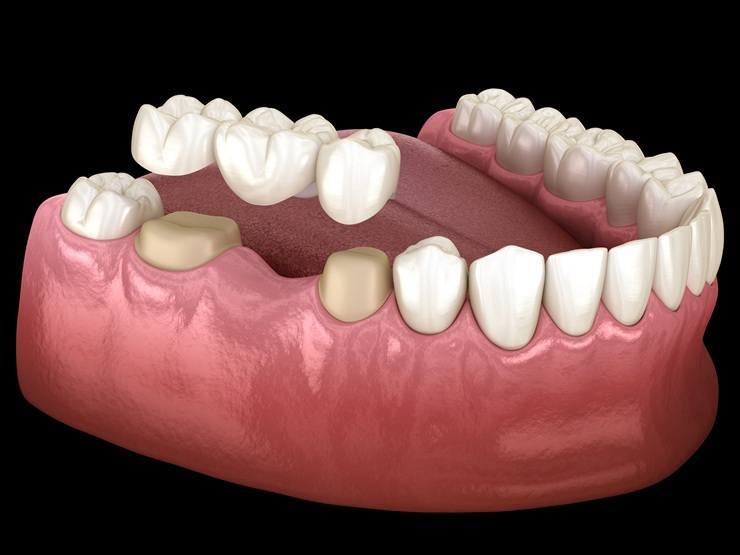
Yes, a bridge may still be possible because a conventional bridge does not depend on the missing tooth’s underlying jawbone for direct support. Instead, crowns placed over suitable neighboring teeth hold the replacement tooth, called a pontic, in position.
This distinction can make dental bridges worth considering when reduced jawbone volume complicates implant placement. However, severe bone loss caused by periodontal disease may also affect the teeth intended to support the restoration. Those teeth must therefore be assessed carefully.
Why Does Bone Health Matter Before Getting a Bridge?
Although a conventional bridge does not require the same jawbone volume as a dental implant, bone health still affects treatment planning.
Advanced bone loss can reduce support around natural teeth. If an abutment tooth is loose or has inadequate periodontal support, placing additional biting forces on it may not provide a predictable foundation.
A dentist may assess:
- Stability and condition of the neighboring teeth
- Gum and periodontal health
- Remaining bone around potential abutment teeth
- Existing decay, fillings, or crowns
- Number and location of missing teeth
- Bite forces and teeth-grinding habits
Dental X-rays and a clinical examination help determine whether the neighboring teeth can safely support the planned restoration.
When Can a Traditional Dental Bridge Work?
A traditional bridge is generally more practical when healthy natural teeth remain on both sides of the missing tooth. These teeth become the abutments that support the pontic.
For some patients with bone loss primarily beneath the missing tooth, the neighboring teeth may remain stable enough for treatment. This is why the amount of missing jaw tissue alone does not determine eligibility.
The condition of the abutment teeth is critical. A professional evaluation is therefore necessary before treatment begins.
Patients exploring dental bridges in Ada can speak with a trusted local dental practitioner about their remaining teeth, gum condition, and restorative options. If you have delayed replacing a tooth because you were told your jawbone is limited, book an appointment for an updated evaluation rather than assuming a fixed restoration is impossible.
What If the Supporting Teeth Have Lost Bone?
This situation requires more careful planning. When periodontal disease has caused bone loss around the potential supporting teeth, a conventional bridge may place too much stress on teeth that are already compromised.
Your dentist may first recommend periodontal care to control inflammation and evaluate tooth stability. Treatment decisions depend on the severity and location of the damage.
Possible alternatives may include a removable partial denture or, when clinically appropriate, an implant-supported restoration. Implant treatment has different bone requirements and may sometimes involve bone grafting. The right choice depends on your oral anatomy and overall dental health.
Is a Bridge Better Than an Implant When Jawbone Is Limited?
Neither option is automatically better. The decision depends on the condition of your jaw, gums, and remaining teeth, as well as your personal treatment needs.
Dental implants require adequate bone to support and stabilize the implant. When substantial bone loss is present, additional procedures such as bone grafting may be considered before implant placement. A traditional bridge does not require an implant at the missing-tooth site, making it a viable alternative in selected cases.
However, dental bridges require suitable abutment teeth. Those teeth often need preparation for crowns. An implant, by comparison, does not require reshaping neighboring healthy teeth.
A thorough examination helps identify which trade-offs matter most in your case.
What Happens If You Delay Replacing a Missing Tooth?
A missing tooth can affect more than appearance. Nearby teeth may gradually shift toward the open space, which can alter your bite and make cleaning more difficult. Tooth loss also removes normal stimulation from the underlying jaw in that area.
A bridge can restore the space and help improve chewing function. However, a traditional bridge does not replace the missing tooth root and does not directly stimulate the jawbone beneath the pontic.
If you already have bone loss, waiting longer may also allow underlying gum or dental problems to progress. Early evaluation gives your dentist more information and potentially more restorative choices.
How Is Your Eligibility for a Dental Bridge Determined?
There is no single test that determines whether you qualify. Your dentist considers the entire area rather than focusing only on the missing tooth.
The evaluation may include an oral examination, dental X-rays, periodontal measurements, bite assessment, and examination of potential abutment teeth. Existing gum disease or decay may need to be treated first.
This individualized assessment is especially important for patients considering dental bridges after advanced periodontal problems or long-term tooth loss.
Restore Your Missing Tooth With Norman Family Dentistry
Having reduced jawbone volume does not automatically rule out a fixed bridge. What matters is whether your remaining teeth and oral tissues can provide reliable support.
At our practice, Dr. Devin and the dental team can evaluate your missing tooth, periodontal health, supporting teeth, and bite before discussing appropriate treatment options. The practice provides restorative and implant dentistry for patients in Ada and surrounding communities.
If you are considering dental bridges in Ada, visit our dental office for a comprehensive evaluation. Understanding the condition of your mouth first can help you choose a restoration based on your actual clinical needs rather than assumptions about bone loss.
Frequently Asked Questions
It depends on whether the disease is active and how much support remains around the neighboring teeth. Active periodontal disease generally needs to be addressed before a permanent restoration is placed. Your dentist can examine tooth mobility, gum inflammation, periodontal pockets, and supporting structures before determining whether dental bridges are appropriate.
Usually, a conventional tooth-supported bridge does not require a graft because it is supported by neighboring teeth rather than by an implant placed in the jaw. However, significant changes to the ridge may affect appearance, fit, or treatment planning. A clinical examination can determine whether additional treatment would improve the restoration.
A traditional bridge fills the visible gap but does not replace the missing tooth root. Therefore, it does not provide the same direct stimulation to the jaw as a natural tooth root or dental implant. Patients concerned about long-term jaw changes should discuss both fixed bridge and implant-based options during their dental evaluation.
Weak supporting teeth may not provide a reliable foundation for a fixed restoration. Your dentist must determine why those teeth are compromised and whether they can be treated first. Depending on the findings, another tooth replacement method may place less stress on the remaining teeth and offer a more appropriate restorative approach.