

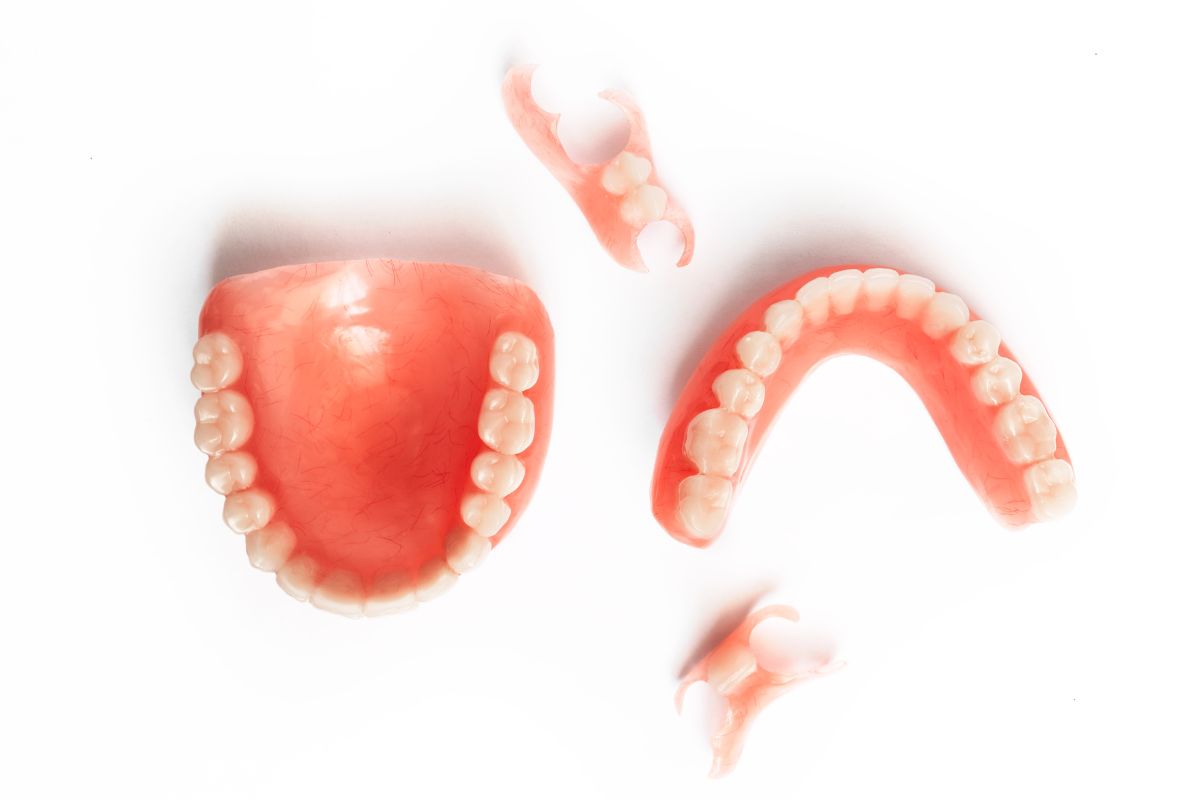
Removable dentures are a popular solution for replacing missing teeth, providing functionality and an improved appearance for patients who need partial or full tooth replacement. With advancements in dental technology, there are several types of removable dentures available today, each tailored to different needs and preferences. Here, we’ll explore the main types of removable dentures and offer guidance to help you determine which type may be the best fit for your lifestyle and dental requirements.
1. Full (Complete) Dentures
Overview:
Full dentures, also known as complete dentures, are designed to replace all of the teeth in either the upper or lower jaw, or both. They are typically made of acrylic and fit over the gums, creating a seal to hold the denture in place.
Who They’re For:
Full dentures are suitable for patients who have lost all their teeth in one or both jaws due to aging, gum disease, or extensive decay. They offer a full-arch replacement option, restoring both function and aesthetics.
Pros:
- Fully restores the appearance of a complete smile.
- Provides functional chewing ability.
- Cost-effective compared to other full-arch replacement options.
Cons:
- May feel less stable without adhesive, especially lower dentures.
- Requires a period of adjustment and regular cleaning.
2. Partial Dentures
Overview:
Partial dentures are ideal for those who are missing a few teeth but still have some natural teeth remaining. They consist of a metal or acrylic framework that attaches to the remaining natural teeth for stability.
Who They’re For:
Patients with several missing teeth who want a non-invasive option to fill the gaps and restore their bite may benefit from partial dentures. These dentures can prevent other teeth from shifting and help maintain facial structure.
Pros:
- Less invasive and typically more affordable than dental implants.
- Customizable to fill specific gaps and complement existing teeth.
- Helps prevent other teeth from shifting.
Cons:
- May require clasps, which can sometimes be visible.
- Need adjustments as remaining natural teeth shift over time.
3. Implant-Supported Dentures
Overview:
Implant-supported dentures combine the stability of dental implants with the affordability of removable dentures. They snap onto dental implants placed in the jawbone, providing a secure fit and preventing the denture from slipping.
Who They’re For:
Ideal for patients who want a more secure, stable option but may not want (or be eligible for) a full set of individual implants. They’re especially beneficial for patients who struggle with the fit of traditional full dentures.
Pros:
- Offers greater stability and comfort than traditional dentures.
- Provides improved chewing ability and reduces irritation.
- Helps preserve jawbone structure by stimulating bone tissue.
Cons:
- Requires a surgical procedure to place implants.
- Higher upfront cost than traditional removable dentures.
4. Immediate Dentures
Overview:
Immediate dentures are designed to be placed right after tooth extraction, allowing patients to avoid being without teeth while their gums heal. They’re typically a temporary solution until permanent dentures are created.
Who They’re For:
Patients who are having all or many of their teeth extracted and do not want to be without teeth during the healing period can benefit from immediate dentures. They offer a temporary aesthetic and functional solution.
Pros:
- Provides instant teeth replacement after extraction.
- Can be relined or adjusted as gums heal and shrink.
- Allows time for the permanent denture to be crafted.
Cons:
- May require frequent adjustments as the gums heal.
- Often replaced after the healing period with permanent dentures.
5. Overdentures
Overview:
Overdentures are removable dentures that fit over a small number of remaining natural teeth or dental implants. They are custom-made to “sit over” the retained teeth or implants, which provides additional support and stability.
Who They’re For:
Best suited for patients who have a few healthy teeth remaining or prefer a more stable option with dental implants but want the convenience of a removable denture. This type of denture helps in preserving the underlying bone and gum structure.
Pros:
- Offers improved stability and comfort.
- Helps preserve jawbone integrity and can reduce bone loss.
- Can be removed easily for cleaning and maintenance.
Cons:
- Higher cost than traditional dentures.
- Requires upkeep of both the natural teeth or implants and the overdenture.
6. Flexible Dentures
Overview:
Flexible dentures are made from a flexible resin material, which makes them lighter and more comfortable than traditional acrylic dentures. They tend to “give” when you eat or talk, adding a bit of flexibility to your bite.
Who They’re For:
Patients with sensitivity or allergy to metal often prefer flexible dentures. They are ideal for those looking for a more comfortable, lightweight option for partial dentures.
Pros:
- Lightweight and comfortable with a natural-looking finish.
- No metal clasps, making them virtually invisible.
- Less likely to cause sore spots due to their flexibility.
Cons:
- Typically less durable than metal-frame partials.
- May need replacement more frequently than other denture types.
How to Choose the Right Type of Denture
When deciding on the type of removable denture, consider the following factors:
- Lifestyle and Daily Needs: If stability is your priority and you’re active, implant-supported dentures might be worth the investment. For those who prioritize comfort and aesthetics, flexible dentures or overdentures could be ideal.
- Bone and Gum Health: Implant-supported and overdentures may be limited by your bone structure and gum health. Your dentist will evaluate these factors and recommend the best option.
- Budget: Denture costs vary widely, with flexible and traditional partial dentures being more affordable options, while implant-supported dentures typically have a higher initial cost.
- Aesthetic Preferences: If you’re concerned about visibility, flexible dentures or partials with tooth-colored clasps offer a more natural look. Overdentures may also be less noticeable.
- Future Adjustments: Over time, gum and bone changes may require adjustments to your dentures. Discussing these potential adjustments with your dentist can help you prepare for future care.
Choosing the right type of removable denture can have a big impact on your comfort, confidence, and dental health. Consulting with your dentist and considering factors like stability, appearance, and cost can guide you to the option that best meets your needs. With the right dentures, you can enjoy a restored smile, improved function, and a renewed quality of life.