

Dental sealants are a simple and effective preventive dental treatment designed to protect your teeth from cavities. They are especially beneficial for children and teenagers but can also be useful for adults. If you’re considering dental sealants for yourself or your child, this guide will explain what they are, how they work, and how long they last.
What Are Dental Sealants?
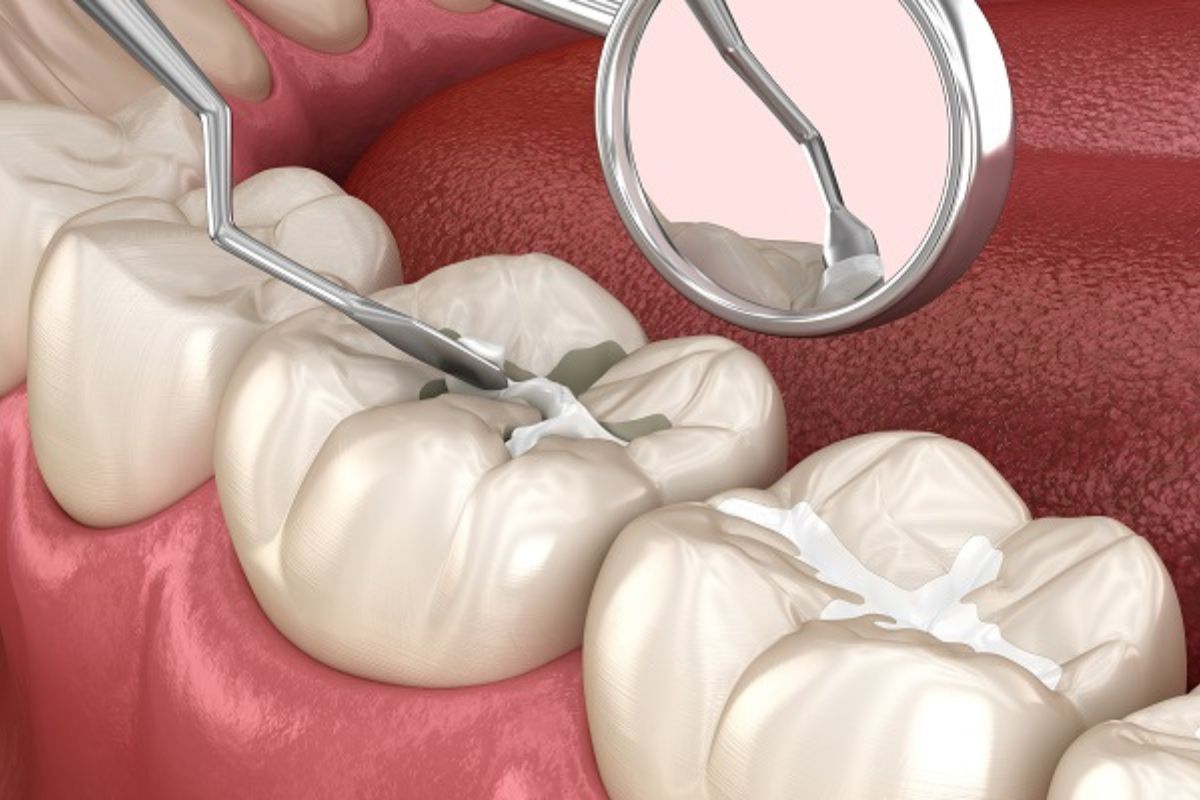
Dental sealants are thin, protective coatings made of plastic or other dental materials that are applied to the chewing surfaces of your back teeth (molars and premolars). These teeth have grooves and pits where food particles and plaque can accumulate, making them more susceptible to cavities.
The sealant creates a smooth surface, filling in these grooves and acting as a shield against harmful bacteria and acids that cause tooth decay.
How Do Dental Sealants Work?
Sealants work by creating a barrier between your tooth enamel and cavity-causing bacteria. Here’s how the process typically goes:
-
- Cleaning the Teeth: The dentist thoroughly cleans the teeth to ensure no plaque or debris is trapped beneath the sealant.
-
- Preparing the Surface: A special gel is applied to the tooth to roughen the surface, helping the sealant bond properly.
-
- Applying the Sealant: The sealant is painted onto the tooth’s surface, where it flows into the grooves and pits.
-
- Hardening the Sealant: A curing light is used to harden the sealant, creating a strong, durable layer.
The entire procedure is painless, quick, and non-invasive, making it an excellent option for patients of all ages.
Who Can Benefit from Dental Sealants?
Dental sealants are ideal for:
-
- Children and Teens: Molars and premolars erupt between the ages of 6 and 12. Applying sealants soon after these teeth appear can prevent early decay.
-
- Adults: Individuals with deep grooves in their molars or a history of cavities may also benefit from sealants.
-
- Patients with Special Needs: Sealants can simplify oral hygiene for those who have difficulty brushing and flossing.
How Long Do Dental Sealants Last?
Dental sealants are highly durable but not permanent. On average, sealants can last 5 to 10 years with proper care. Over time, they may wear down due to chewing and grinding, but regular dental check-ups can ensure they are intact and functioning effectively.
Factors affecting the lifespan of dental sealants include:
-
- Oral Habits: Chewing hard foods or grinding teeth can wear down sealants faster.
-
- Dental Hygiene: Poor oral hygiene can lead to premature failure.
-
- Regular Maintenance: Dentists can reapply or repair sealants as needed during routine visits.
Benefits of Dental Sealants
-
- Prevention of Cavities: Sealants reduce the risk of decay by up to 80%, especially in children.
-
- Non-Invasive: The application process is painless and doesn’t require drilling or anesthesia.
-
- Cost-Effective: Preventing cavities with sealants is often less expensive than treating cavities with fillings or crowns.
-
- Long-Lasting Protection: Sealants provide years of protection with minimal maintenance.
Are Dental Sealants Safe?
Yes, dental sealants are safe. They are made from biocompatible materials and have been extensively tested for use in dentistry. Some sealants may contain trace amounts of BPA, but the levels are so low they pose no health risk. If you have concerns, talk to your dentist about BPA-free sealant options.
How to Care for Teeth with Sealants
-
- Maintain Good Oral Hygiene: Brush twice daily with fluoride toothpaste and floss regularly to keep your teeth healthy.
-
- Avoid Hard Foods: Limit chewing on hard candies, ice, or other hard objects that can damage the sealant.
-
- Regular Dental Visits: See your dentist every six months for cleanings and to check the condition of your sealants.
Dental sealants are a powerful tool in the fight against cavities. Whether for your child or yourself, sealants provide a cost-effective, painless way to protect your molars and premolars from decay. With proper care, they can last for years, giving you peace of mind and healthier teeth.
If you’re interested in learning more about dental sealants or think they might be a good option for you or your child, schedule an appointment with your dentist today. A little prevention can go a long way toward ensuring a lifetime of healthy smiles!