

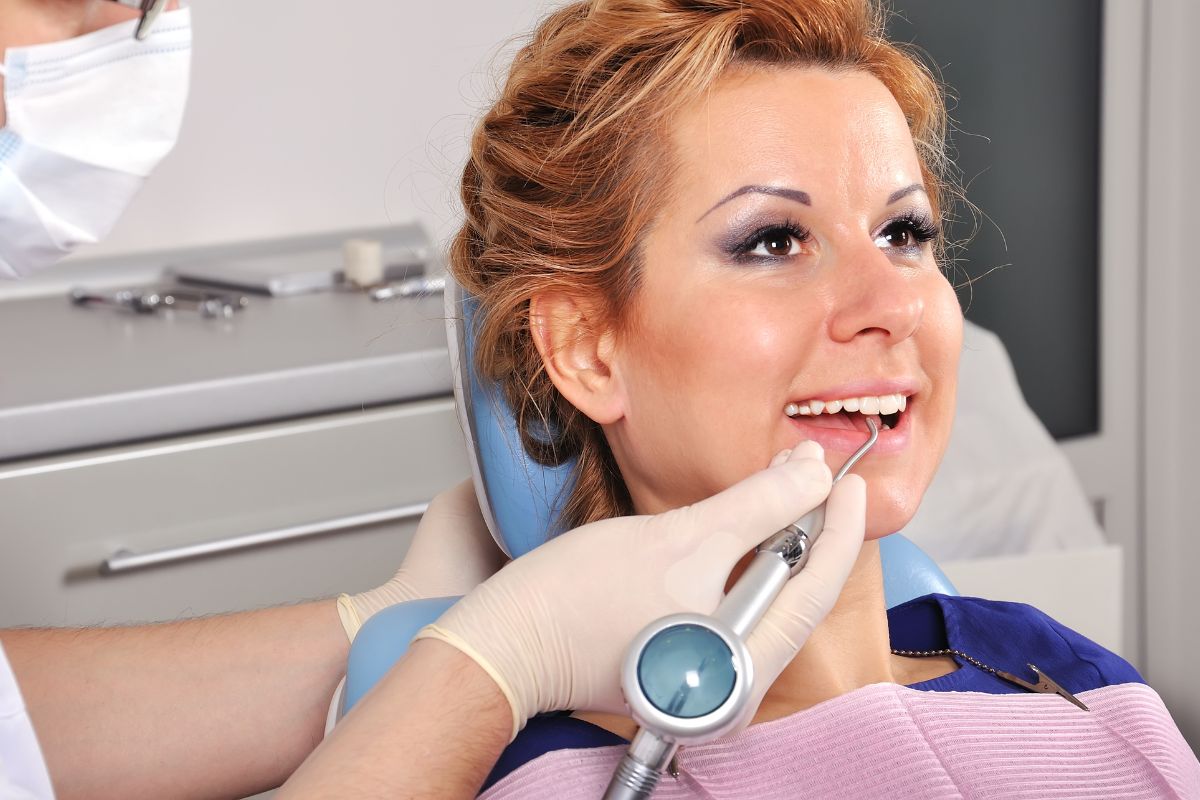
When it comes to maintaining a healthy, beautiful smile, brushing and flossing at home are essential—but they’re not enough on their own. Even with the most diligent daily routine, plaque and tartar can still accumulate in hard-to-reach places, leading to serious oral health issues over time. That’s where professional teeth cleaning comes in.
Professional dental cleanings do more than just make your teeth feel squeaky clean. They help prevent cavities, gum disease, tooth loss, and even systemic health problems. But how often do you really need one, and why is it such a critical part of your oral care routine?
In this blog, we’ll explore the key benefits of professional teeth cleaning, how the process works, and how often you should schedule it to keep your smile in top shape.
What Is Professional Teeth Cleaning?
Professional teeth cleaning—also known as dental prophylaxis—is a preventive treatment performed by a dental hygienist or dentist. It involves the thorough removal of plaque, tartar (calculus), and stains from the teeth to help prevent dental problems.
Unlike your regular toothbrush or floss, dental professionals use specialized tools to clean below the gum line and between the teeth—areas where bacteria tend to build up and cause issues if left unchecked.
A professional cleaning typically includes
-
- Scaling: Removing plaque and hardened tartar from the teeth and gum line.
-
- Polishing: Smoothing the surface of your teeth to prevent plaque buildup.
-
- Fluoride treatment: Strengthening your enamel to resist decay (optional but often recommended).
-
- Dental exam: Checking for signs of cavities, gum disease, or oral cancer.
Why Is Professional Teeth Cleaning Important?
You might think your teeth are clean because you brush and floss daily, but professional cleanings serve a much deeper purpose. Here’s why they’re essential:
1. Prevention of Tooth Decay and Cavities
Plaque is a sticky film of bacteria that constantly forms on your teeth. If not removed regularly, it can lead to cavities, which are small holes that form in your teeth due to decay. Dental cleanings remove this plaque before it has the chance to do damage.
2. Protection Against Gum Disease
When plaque hardens into tartar, it can irritate the gums and lead to gingivitis—the early stage of gum disease. If untreated, gingivitis can progress to periodontitis, a serious infection that can cause tooth loss. Regular cleanings help catch and treat gum disease early.
3. Early Detection of Dental Issues
During your cleaning, your dentist or hygienist will also inspect your mouth for signs of issues like oral cancer, cracked fillings, or receding gums. Catching these problems early makes treatment easier, less invasive, and often more affordable.
4. Fresh Breath
Persistent bad breath, or halitosis, is often caused by plaque and bacteria trapped between the teeth and along the gum line. A deep professional cleaning can eliminate these odor-causing agents and leave your mouth feeling fresh.
5. Brighter, Whiter Smile
Professional cleanings remove surface stains caused by coffee, tea, wine, and tobacco, helping your teeth look cleaner and brighter without the need for whitening treatments.
6. Support for Overall Health
Research has shown a link between oral health and overall health. Gum disease, in particular, has been connected to systemic conditions like heart disease, diabetes, respiratory infections, and stroke. Routine cleanings support not only your oral health but also your general well-being.
How Often Should You Get a Professional Teeth Cleaning?
The standard recommendation is to have a professional cleaning every six months, but this can vary depending on your individual needs.
Here’s a general guide:
-
- Every 6 Months (Twice a Year): This is ideal for most people with healthy gums and no history of periodontal disease.
-
- Every 3–4 Months: If you have gum disease, a history of frequent cavities, or certain medical conditions (like diabetes), your dentist may recommend more frequent cleanings to keep harmful bacteria under control.
-
- Once a Year (Minimum): For patients with excellent oral health and low risk of dental problems, once-a-year cleanings may suffice—but only with dentist approval.
Ultimately, your dental professional will assess your risk factors and help determine the right cleaning schedule for you.
What to Expect During a Professional Cleaning
If it’s been a while since your last visit, here’s what typically happens during a dental cleaning:
-
- Oral Examination: Your hygienist will start by examining your mouth using a small mirror to check for inflammation, sores, or other concerns.
-
- Scaling: Using a scaler, they will remove plaque and tartar from the teeth and gum line.
-
- Polishing: A gritty toothpaste and high-powered brush are used to polish your teeth and remove surface stains.
-
- Flossing: The hygienist will expertly floss your teeth to remove any remaining debris.
-
- Rinse: You’ll rinse your mouth to wash away particles.
-
- Fluoride Treatment (Optional): A fluoride gel or foam may be applied to strengthen your enamel.
-
- Dental Exam: The dentist may come in to perform a final check and discuss any necessary next steps.
How to Maintain Clean Teeth Between Appointments
Professional cleanings are crucial, but they work best when paired with a solid at-home routine. Here’s how to keep your teeth clean and healthy between visits:
-
- Brush twice a day with fluoride toothpaste
-
- Floss daily to remove plaque from between your teeth
-
- Use an antibacterial mouthwash
- Use an antibacterial mouthwash
-
- Limit sugary and acidic foods and drinks
- Limit sugary and acidic foods and drinks
-
- Avoid tobacco products
- Avoid tobacco products
-
- Drink plenty of water, especially after meals
Also, don’t ignore symptoms like bleeding gums, tooth sensitivity, or persistent bad breath—these could signal an underlying issue that requires professional attention.
Who Should Prioritize More Frequent Cleanings?
Some people are at higher risk for dental issues and should consider more frequent cleanings. This includes individuals who:
-
- Have a history of gum disease or tooth decay
- Have a history of gum disease or tooth decay
-
- Smoke or use tobacco products
- Smoke or use tobacco products
-
- Have braces or dental appliances that trap food particles
-
- Suffer from dry mouth (xerostomia)
-
- Are pregnant (due to hormonal changes)
-
- Have certain medical conditions like diabetes or autoimmune diseases
If you fall into any of these categories, speak to your dentist about a custom cleaning schedule that fits your needs.
Professional teeth cleaning is one of the simplest, most effective ways to protect your oral health, boost your confidence, and prevent costly dental problems in the future. It’s more than just a polish—it’s a key component of preventive healthcare.
By staying consistent with your dental cleanings and combining them with a solid at-home routine, you’re setting yourself up for a lifetime of healthy smiles.
Is it time for your next cleaning?
Don’t wait for plaque and tartar to cause problems—stay ahead of the game. Request an appointment now and let our experienced dental team help you maintain a clean, radiant smile you’ll love to show off.