

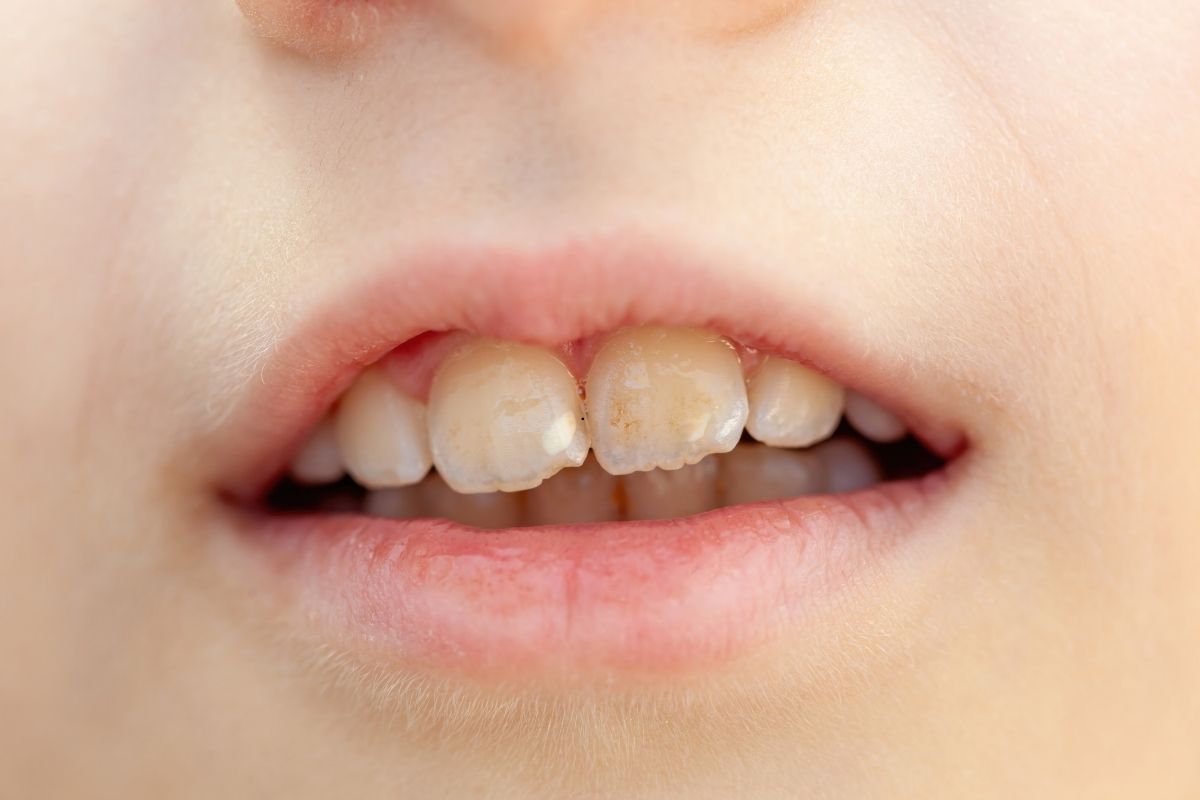
White spots on teeth can be frustrating, especially when you want a bright, uniform smile. These spots often appear as opaque or chalky areas on your enamel and can result from a variety of factors, including poor oral hygiene, enamel demineralization, fluoride exposure, or even previous orthodontic treatments. While they are typically harmless, white spots can affect your confidence and may indicate underlying enamel issues. Understanding the causes and treatment options is key to restoring a smooth, healthy smile.
For those seeking quick solutions, professional interventions can provide noticeable results in a short time. Teeth whitening in Ada is a popular method to improve the overall appearance of your teeth and help reduce the visibility of mild white spots. However, whitening alone may not address deeper enamel discoloration or more stubborn white areas, which is why dentists often combine multiple techniques to achieve optimal results.
1. Microabrasion: Removing Surface White Spots
Dental microabrasion is a minimally invasive procedure that targets superficial white spots caused by enamel defects. During microabrasion, a dentist gently removes a thin layer of enamel using a combination of fine abrasives and mild acid. This technique helps to:
-
- Smooth out the surface of the tooth
-
- Reduce the appearance of white spots
-
- Restore a more uniform tooth color
Microabrasion is particularly effective for white spots caused by mild enamel hypoplasia or early demineralization and can often produce visible results after a single session.
2. Resin Infiltration: Masking Deep White Spots
For deeper or more stubborn white spots, resin infiltration is a highly recommended option. This treatment involves applying a special resin that penetrates the porous enamel, blending the white areas with the surrounding tooth. Benefits include:
-
- Fast and minimally invasive treatment
-
- Immediate improvement in appearance
-
- Preservation of natural tooth structure
Resin infiltration is ideal for white spots caused by fluorosis, demineralization, or post-braces enamel issues. The procedure is pain-free and often completed in one dental visit.
3. Professional Teeth Whitening
While whitening treatments cannot eliminate deep enamel spots, they can lighten surrounding tooth areas to create a more uniform appearance. Professional whitening is more effective than over-the-counter kits because dentists use stronger, controlled bleaching agents and can protect sensitive areas. Advantages include:
-
- Faster results with noticeable whitening in 1–2 sessions
-
- Safe application by dental professionals
-
- Reduced risk of uneven whitening or irritation
Dentists may combine whitening with microabrasion or resin infiltration for maximum cosmetic improvement.
4. Topical Fluoride and Remineralization
White spots caused by early enamel demineralization can sometimes be improved with topical fluoride or other remineralizing agents. These treatments help strengthen enamel, making white spots less noticeable over time. Key options include:
-
- Prescription fluoride gels or varnishes
-
- Calcium phosphate-based remineralization pastes
-
- Regular fluoride toothpaste for maintenance
Although this method is less immediate than microabrasion or resin infiltration, it supports long-term enamel health and prevents new white spots from forming.
5. Maintaining Oral Hygiene and Preventing New White Spots
Preventing white spots is just as important as treating existing ones. A consistent oral hygiene routine can reduce the risk of enamel demineralization and discoloration. Recommendations include:
-
- Brushing twice daily with a fluoride toothpaste
-
- Flossing daily to remove plaque and food particles
-
- Limiting sugary and acidic foods
-
- Regular dental checkups for professional cleaning and monitoring
Good habits combined with professional treatments help ensure a bright, even smile.
6. Cosmetic Bonding and Veneers
For white spots that do not respond to conservative treatments, cosmetic solutions like bonding or porcelain veneers can provide a dramatic improvement. These options involve:
-
- Applying tooth-colored resin or veneers to cover imperfections
-
- Restoring natural tooth color and shape
-
- Long-lasting and highly aesthetic results
While more invasive than microabrasion or resin infiltration, these options are ideal for patients seeking immediate and highly visible results.
Take Action and Restore Your Smile
White spots on teeth are common, but they don’t have to be permanent. With a combination of dentist-recommended treatments, it’s possible to quickly reduce or eliminate their appearance while preserving your natural enamel. If you want fast, effective results and professional guidance, schedule an appointment today at 519 Ada Dr SE Suite A, Ada, MI 49301. Your dentist will help determine the best treatment for your smile and ensure lasting results.
FAQs
1. Can white spots on teeth go away on their own?
Mild white spots may improve slightly with proper oral hygiene and remineralization, but stubborn spots usually require professional treatment like microabrasion or resin infiltration.
2. Are there any home remedies to remove white spots quickly?
Home remedies like whitening toothpaste or oil pulling may improve overall tooth color but are unlikely to remove deep white spots effectively. Professional treatments provide faster and more reliable results.
3. Is resin infiltration safe for children and adults?
Yes. Resin infiltration is a minimally invasive and safe procedure suitable for most patients. Your dentist will evaluate tooth health and enamel condition before treatment.