
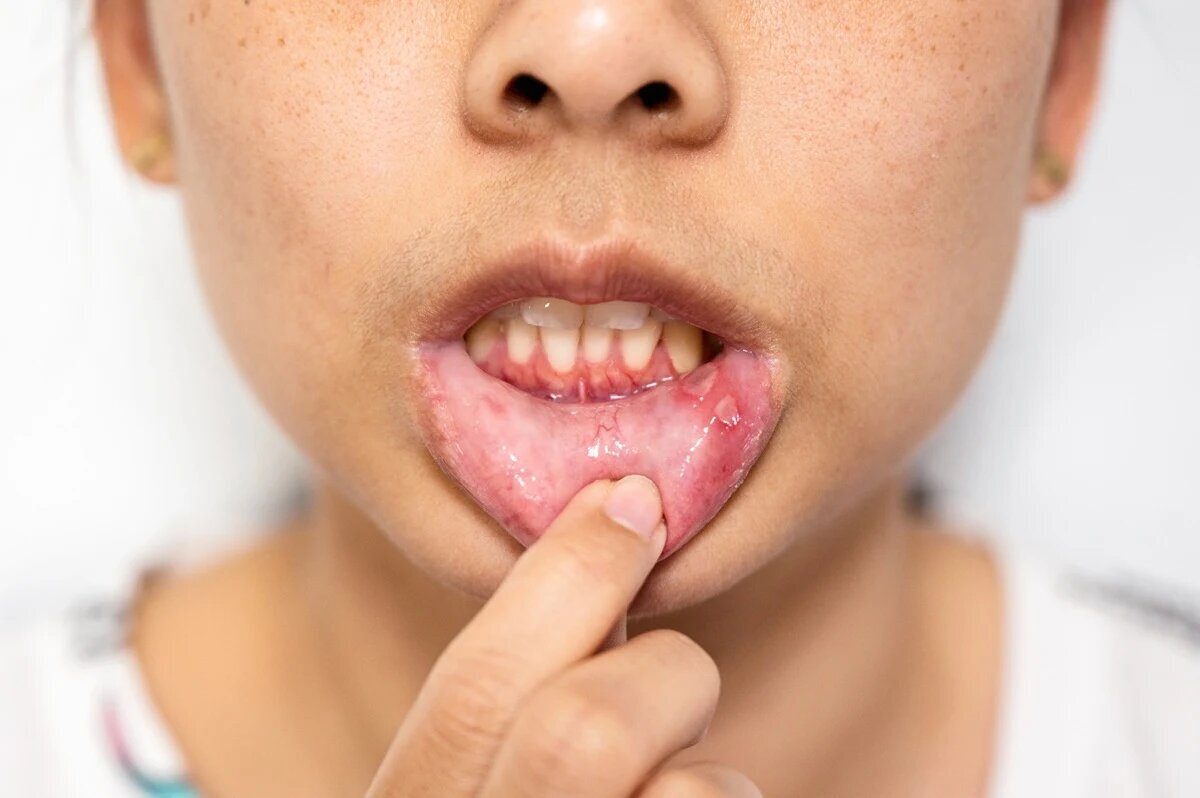
Few things disrupt a household’s peace faster than a child refusing their favorite dinner, pulling away from their toothbrush, or crying because “their mouth hurts.” When you look inside, you might notice a small, round, yellowish-white sore surrounded by a bright red halo on the inside of their cheek, lip, or tongue.
Aphthous ulcers, commonly known as canker sores, are among the most frequent oral discomforts seen in developing smiles. Unlike cold sores, which appear on the outside of the mouth and are caused by a contagious virus, canker sores develop strictly on the non-keratinized soft tissues inside the mouth and are completely non-contagious. Watching your child deal with this sharp discomfort can feel overwhelming, but understanding the underlying causes and management strategies makes all the difference.
At Norman Family Dentistry, our mission is to provide gentle, comprehensive care tailored to every stage of your child’s growth. Our board-certified specialist, Dr. Stephanie Rashewsky, brings advanced hospital-level pediatric training and a compassionate approach to help young patients across West Michigan achieve healthy, comfortable smiles. For families seeking tailored solutions or gentle guidance for kiddos with sensory sensitivities, medical complexities, or anxiety, visit our dental practice to learn how we care for every child.
What Exactly Is a Canker Sore?
A canker sore is a small, non-contagious ulcer that forms on the soft, movable membranes inside the oral cavity. You will typically spot them on:
- The inner lining of the lips or cheeks
- The base of the gums
- On or underneath the tongue
- The soft palate toward the back of the mouth
These sores usually start as a red spot or bump before opening into a crater-like ulcer. The center often turns pale white or gray-yellow, surrounded by inflamed red tissue. While they typically measure less than one-third of an inch across (simple/minor aphthous ulcers), they pack a punch in terms of localized pain, especially during eating, drinking, or brushing.
Primary Causes of Canker Sores in Children
While there isn’t a single universal cause for canker sores, clinical research and pediatric care point to a combination of physical, dietary, and environmental triggers:
Localized Minor Mouth Trauma
Children are naturally active, and their delicate oral tissues are constantly exposed to physical friction. The most frequent trigger for a canker sore is minor soft-tissue injury, including:
- Accidental cheek, lip, or tongue biting while chewing or talking
- Overzealous brushing with hard-bristled toothbrushes
- Irritation from sharp edges of orthodontic brackets, band wires, or loose appliances
- Slippage of a fork or hard toy inside the mouth
Nutritional and Vitamin Deficiencies
Growing bodies demand a continuous supply of vital micronutrients. A recurring pattern of canker sores can sometimes signal an underlying dietary shortfall. Deficiencies in essential nutrients like Vitamin B12, folic acid (folate), iron, and zinc can compromise the integrity of the mucosal lining inside the mouth, making it far more susceptible to ulcer formation.
Food Sensitivities and Acidic Foods
Certain ingredients act as direct mucosal irritants or trigger localized allergic responses:
- Acidic fruits: Lemons, oranges, pineapples, and strawberries
- Acidic vegetables: Tomatoes and tomato-based sauces
- Salty or crunchy snacks: Potato chips, pretzels, and hard crackers that cause micro-abrasions
- Other common triggers: Dark chocolate, cinnamon, peanuts, and artificial food dyes
Stress, Fatigue, and Illness
Children experience emotional and physical stress just as adults do. School transitions, athletic competitions, lack of restful sleep, or recovering from a common cold can temporarily weaken a child’s immune defenses. This transient immune shift allows minor mucosal irritations to turn into painful ulcerations.
Sodium Lauryl Sulfate (SLS) Sensitivities
Sodium Lauryl Sulfate (SLS) is a foaming agent present in many commercial toothpastes. In certain children, SLS strips away the protective mucin layer lining the inside of the mouth, exposing vulnerable tissue to irritants and increasing the frequency of sore outbreaks.
How to Manage and Relieve Canker Sore Pain at Home
Most minor canker sores heal naturally within 7 to 14 days without leaving scars. However, your primary goal as a parent during those first 3 to 5 days is pain management and maintaining proper nourishment. Consulting with a board-certified pediatric dentist in Ada helps ensure your child gets safe, targeted, and age-appropriate relief.
Adjust Their Diet Temporarily
- Offer bland, soft foods: Scrambled eggs, Greek yogurt, mashed potatoes, oatmeal, applesauce, and smoothies provide excellent nutrition without aggravating tissue.
- Avoid irritating triggers: Keep spicy, heavily salted, citrusy, or crunchy foods off the plate until the ulcer completely closes.
- Serve cold items: Ice pops, cold water, and frozen yogurt help temporarily numb inflamed oral tissue.
Practice Gentle Oral Hygiene
Do not let your child skip brushing, as bacterial buildup can prolong inflammation or cause secondary infections.
- Use an ultra-soft bristle toothbrush.
- Switch to an SLS-free toothpaste formulation.
- Guide their hand gently when brushing near the affected area.
Utilize Soothing Rinses and Topicals
For children who are old enough to spit reliably (typically ages 6 and up):
- Warm salt water rinse: Mix half a teaspoon of salt into 8 ounces of warm water. Have them swish for 30 seconds and spit out twice daily.
- Baking soda rinse: A blend of 1 teaspoon of baking soda in half a cup of warm water helps neutralize acids and calm raw nerve endings.
- Over-the-counter barrier gels: Pediatric-safe mucosal protectants form a temporary shield over the ulcer to keep food particles out. Always consult your dental practitioner before applying topical numbing agents containing benzocaine to young infants or toddlers.
If you are ever unsure about product safety, partnering with an experienced pediatric dentist in Ada provides clear, reliable guidance for your child’s specific developmental needs.
Preventive Measures: Keeping Sore Outbreaks at Bay
Preventing future canker sore outbreaks involves identifying your child’s specific triggers and maintaining consistent preventive oral care habits:
- Use Orthodontic Wax: If your child wears braces or retainers, place a small piece of dental wax over sharp brackets or wires rubbing against the cheeks.
- Incorporate Nutritious Foods: Serve a balanced diet rich in dark leafy greens, lean proteins, whole grains, and colorful vegetables to cover iron, zinc, and B-complex needs.
- Maintain Regular Dental Checkups: Scheduling routine cleanings and exams every six months allows your dental team to spot early signs of tissue irritation, monitor dental development, and offer personalized preventive treatments.
Working alongside a trusted pediatric dentist in Ada makes it easy to stay proactive with your child’s oral hygiene routine.
When Should You Call the Dentist?
While most canker sores resolve on their own, certain red flags warrant a professional evaluation:
| Symptom / Observation | What It Might Indicate | Action Required |
| Sores lasting longer than 14 days | Atypical ulceration or systemic issue | Schedule a dental evaluation |
| High fever or swollen lymph nodes | Secondary viral or bacterial infection | Seek prompt medical/dental care |
| Extremely large sores (over 1 cm) | Major aphthous ulceration | Requires professional management |
| Inability to swallow fluids | High risk of dehydration | Contact your practitioner immediately |
| Sores extending to the outer lips | Possible Viral Cold Sore (HSV-1) | Distinct treatment protocol needed |
Having an established relationship with a pediatric dentist in Ada ensures you have direct access to expert care whenever unexpected symptoms arise.
Get Access to Quality Pediatric Dental Care in Ada
Every child deserves an oral healthcare home where they feel understood, safe, and completely relaxed. At Norman Family Dentistry, located conveniently on Ada Drive, we take immense pride in creating an inviting atmosphere for young patients across West Michigan.
Whether your child needs a gentle routine cleaning, guidance on managing painful oral ulcers, or specialized accommodation under hospital-level care standards, we are here to walk alongside your family every step of the way. Ready to give your child a comfortable and positive dental experience? Contact Norman Family Dentistry today to schedule a consultation
Frequently Asked Questions
No, canker sores are completely non-contagious. They form inside the mouth due to local trauma, stress, or nutritional factors, unlike viral cold sores that appear on the lips and spread through contact.
Canker sores occur exclusively inside the mouth on soft tissues like cheeks or tongue and are not contagious. Cold sores appear outside on the lips or around the mouth, forming fluid-filled blisters caused by HSV-1.
Yes, toothpastes containing Sodium Lauryl Sulfate (SLS) can break down the mouth’s protective lining in sensitive children. Switching to an SLS-free toothpaste often reduces the frequency and severity of recurring oral ulcer outbreaks.
Applying ice wrapped in a damp cloth, rinsing with warm salt water, and eating cool, non-acidic foods like yogurt provide quick, temporary relief by numbing inflamed tissues and reducing local bacterial buildup.
Recurring sores can indicate low levels of iron, zinc, folic acid, or Vitamin B12. If your child frequently develops mouth ulcers, consult your dentist or pediatrician for a dietary evaluation and targeted guidance.