

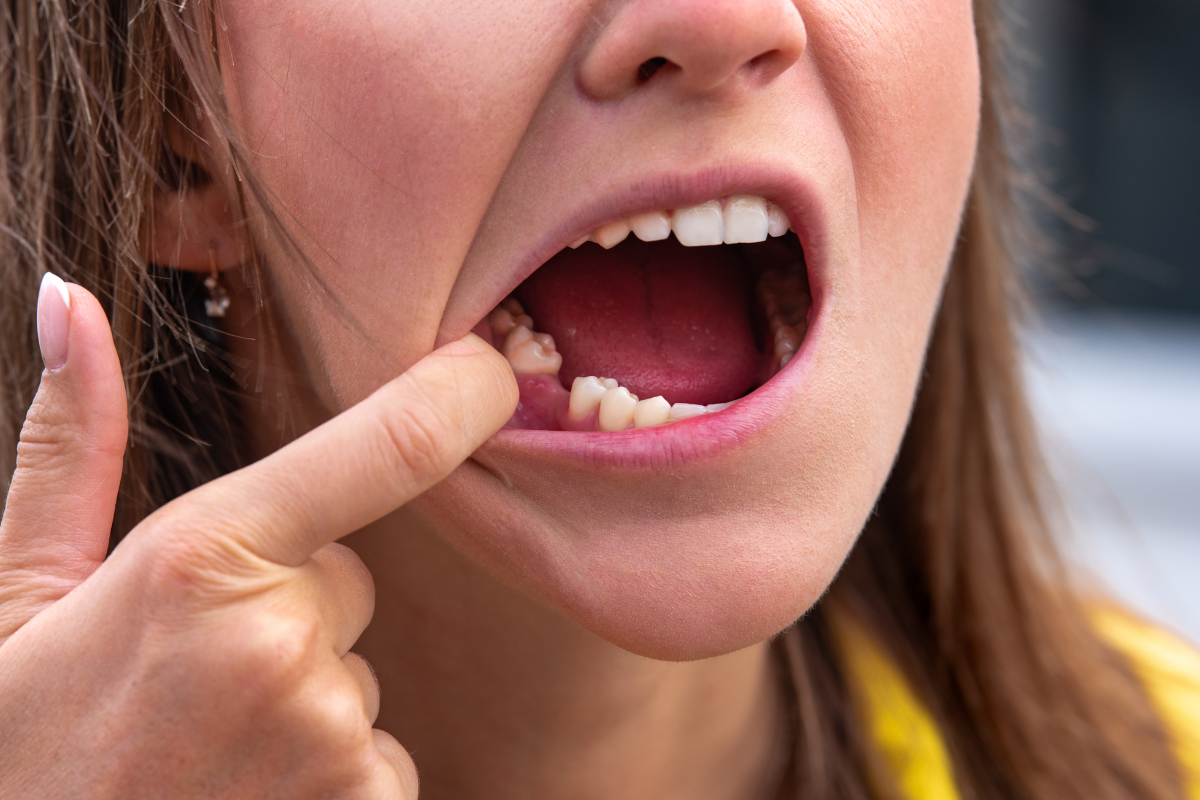
Losing a tooth unexpectedly can be frightening. Whether it happens during sports, after a fall, or because of another accident, the decisions you make immediately afterward can affect whether the tooth can be saved. A knocked-out permanent tooth is a time-sensitive dental emergency, so knowing what to do before you reach the dental office is important.
The first 30 minutes matter because the tissues and cells attached to the tooth root begin to deteriorate once the tooth is outside its socket. Protecting the tooth, keeping it moist, and obtaining dental care promptly may improve the possibility of successful reimplantation.
At Norman Family Dentistry, Dr. Devin Norman and our dental team help patients in Ada, MI, manage unexpected dental emergencies with prompt attention and clear guidance. If you or a family member loses a permanent tooth, contact our office as soon as possible so we can evaluate the injury and determine the appropriate next step.
Is a Knocked-Out Tooth Really a Dental Emergency?
Yes. A completely knocked-out tooth, medically known as an avulsed tooth, is considered an urgent dental emergency when it involves a permanent tooth.
Unlike a small chip or minor cosmetic damage, an avulsed tooth has been completely displaced from its socket. The periodontal ligament fibers and other delicate tissues surrounding the root can become damaged quickly when exposed to air.
This is why waiting until the following day is generally not appropriate. The sooner the tooth is evaluated and, when appropriate, returned to its socket, the better the opportunity may be to preserve it.
If this happens to you or a family member in Ada, MI, contacting an emergency dentist in Ada should be one of your first priorities.
What Should You Do Immediately After a Tooth Is Knocked Out?
Try to remain calm and act methodically. If you can locate the tooth, handle it carefully and begin protecting it immediately.
Here is what to do:
- Find the tooth.
- Pick it up only by the crown.
- Check whether it is dirty.
- If necessary, rinse it gently with clean water.
- Do not scrub or scrape the tooth.
- Keep the tooth moist.
- Contact your dental office immediately.
- Head to the dental office as quickly as possible.
These seemingly simple actions can make an important difference.
First 5 Minutes: Pick Up the Tooth Correctly
Once you locate the tooth, pick it up by its crown, which is the white portion normally visible above the gumline.
Do not hold it by the root.
The root surface contains delicate cells and periodontal ligament fibers that may be important if the dentist attempts to place the tooth back into its socket. Touching, scraping, or aggressively cleaning the root can damage these tissues.
If someone else is helping you, make sure they understand how the tooth should be handled before picking it up.
Minutes 5–10: Gently Rinse a Dirty Tooth
A tooth that lands on pavement, grass, a floor, or another surface may have visible debris on it.
If the tooth is dirty, gently rinse it with clean water. Do not scrub it with a toothbrush, cloth, paper towel, or your fingers. You should also avoid scraping anything attached to the root.
The goal is simply to remove obvious surface debris without disturbing the tissues around the root.
Do not attempt to disinfect the tooth using household cleaners, alcohol, peroxide, or similar products. A knocked-out tooth is living biological tissue, not an object that needs aggressive sanitizing.
Minutes 10–15: Try to Keep the Permanent Tooth in Its Socket
For a knocked-out permanent tooth, gently returning it to the socket may help keep the root from drying out while you travel for emergency care.
Hold the tooth by its crown and carefully position it back into the socket in its correct orientation. Never force it.
Once it is positioned, gently bite on clean gauze to help keep it stable while traveling to the dental office.
If the tooth will not slide back into position easily, stop trying. Forcing it could damage the tooth, socket, or surrounding tissues.
Also, do not attempt to reinsert a knocked-out primary or baby tooth. Children with dental trauma should instead receive prompt professional evaluation.
What If You Cannot Put the Tooth Back in the Socket?
Keeping the tooth moist becomes the priority.
A permanent tooth should not be allowed to dry out. If reinsertion is not practical, placing the tooth in milk can help protect it while you travel for care. A commercially available tooth-preservation solution may also be appropriate if one is immediately available.
Norman Family Dentistry also advises keeping a knocked-out tooth moist rather than allowing it to dry.
Avoid wrapping the tooth in a dry tissue, napkin, or cloth. Although that might seem like the cleanest way to transport it, dry storage can damage cells on the root surface.
The important principle is simple: keep the tooth moist and get professional dental care quickly.
Minutes 15–30: Contact the Dental Office and Start Traveling
Do not spend the entire 30-minute window trying home remedies.
Once the tooth has been protected, call the dental office and begin traveling there. Explain that a permanent tooth has been completely knocked out so the team understands the urgency of the situation.
At Norman Family Dentistry, knocked-out teeth are classified among urgent dental emergencies, and the practice encourages patients to contact the Ada office as soon as possible.
When calling an emergency dentist in Ada, provide useful details such as:
- When the injury happened
- Whether the tooth is permanent or primary
- How the injury occurred
- Where the tooth is being stored
- Whether there is significant bleeding
- Whether other teeth appear loose, cracked, or displaced
- Whether there are injuries to the lips, gums, tongue, or face
This information can help the dental team prepare for your arrival.
How Should You Manage Bleeding and Swelling?
Some bleeding is common after a tooth is knocked out.
Place clean gauze over the socket and apply gentle pressure. Avoid repeatedly removing the gauze to check the area because doing so may disturb clot formation.
For facial swelling or discomfort, apply a cold compress to the outside of the cheek. Wrap the cold pack in a thin towel rather than placing ice directly against the skin.
If there is uncontrolled bleeding, serious facial trauma, loss of consciousness, difficulty breathing, or another potentially life-threatening injury, seek emergency medical care immediately.
What Should You Never Do With a Knocked-Out Tooth?
Knowing what not to do is just as important as knowing the correct first-aid steps.
Avoid these common mistakes:
- Do not touch the tooth root unnecessarily.
- Do not scrub the tooth.
- Do not scrape away attached tissue.
- Do not let the tooth dry out.
- Do not wrap it in a dry tissue.
- Do not use soap, alcohol, or household disinfectants.
- Do not force the tooth into the socket.
- Do not attempt to reinsert a baby tooth.
- Do not postpone professional dental evaluation because the bleeding has stopped.
Pain decreasing does not mean the emergency has resolved. A completely displaced permanent tooth still requires prompt assessment.
Can a Knocked-Out Permanent Tooth Be Saved?
Sometimes, yes. However, no dentist can guarantee that every avulsed tooth can be successfully preserved.
Several factors influence the outcome, including how long the tooth remained outside the mouth, whether it dried out, how it was handled, the condition of the root and socket, and the severity of the original trauma.
That is why proper first aid and prompt treatment are so important.
After examining the mouth, the dentist can determine whether reimplantation is appropriate. The tooth may need to be stabilized while surrounding tissues heal. Additional follow-up may also be required to monitor the tooth and supporting structures.
Is a Knocked-Out Baby Tooth Handled Differently?
Yes, and this distinction is especially important for parents.
A knocked-out baby tooth generally should not be placed back into its socket. Attempting to reinsert a primary tooth can potentially affect the developing permanent tooth underneath it.
Instead, locate the tooth if possible and contact the dentist. Your child should still receive an examination because the dentist needs to assess the gums, socket, neighboring teeth, and underlying structures for additional injury.
Parents in Ada should therefore avoid assuming that losing a baby tooth early is harmless simply because another tooth will eventually replace it.
What If the Tooth Is Loose or Partially Knocked Out?
Not every dental injury causes the tooth to come completely out.
A tooth may be pushed sideways, partially displaced from its socket, or become noticeably loose after an accident. These situations also require professional evaluation.
Do not repeatedly wiggle the tooth or attempt to straighten it forcefully yourself. Avoid biting directly on the affected area and contact an emergency dentist in Ada promptly.
Dental trauma can sometimes involve damage beneath the gumline that is not immediately visible. An examination allows the dentist to assess the tooth and surrounding structures more thoroughly.
Why Acting Quickly Matters After Dental Trauma
A knocked-out tooth is one of those situations where waiting to “see how it feels tomorrow” can reduce treatment options.
The tooth is separated from its blood supply and supporting tissues when it leaves the socket. Meanwhile, the cells on the root surface remain vulnerable to drying and physical damage.
This explains why the basic emergency steps focus on three priorities:
Protect the root. Keep the tooth moist. Reach the dentist quickly.
Remembering these three principles can make it much easier to respond effectively during a stressful accident.
How Can You Prepare for a Dental Emergency Before It Happens?
Dental emergencies are unpredictable, but preparation can make them easier to manage.
Save your dentist’s phone number in your phone and make sure family members know whom to contact. Parents may also want to keep clean gauze and a cold pack in a basic first-aid kit.
People participating in contact or recreational sports should use an appropriate mouthguard to reduce the risk of dental trauma.
Most importantly, know the difference between an issue that can reasonably wait for a routine appointment and an urgent problem such as a knocked-out permanent tooth, uncontrolled oral bleeding, severe tooth pain, dental abscess, or significant dental trauma.
Get Prompt Help for a Knocked-Out Tooth in Ada, MI
The first few minutes after losing a permanent tooth can influence what happens next. Pick the tooth up by its crown, gently rinse it if necessary, keep it moist, and seek professional care without unnecessary delay.
Norman Family Dentistry provides emergency dental care for patients experiencing knocked-out teeth, severe toothaches, broken or cracked teeth, dental abscesses, partially dislodged teeth, and oral injuries involving persistent bleeding.
If you or a family member experiences sudden dental trauma, contact Norman Family Dentistry at (616) 676-9177. Our team can provide instructions and arrange prompt evaluation with an emergency dentist in Ada when urgent dental attention is needed.
Frequently Asked Questions
Q 1. How quickly should I see a dentist after knocking out a tooth?
Ans: Ideally, seek dental attention immediately. A knocked-out permanent tooth is time-sensitive, and keeping it moist while traveling to the dental office can help protect delicate tissues on its root surface.
Q 2. Can I put a knocked-out tooth in water?
Ans: Water can be used briefly to gently rinse visible debris from the tooth. For transportation, keeping the tooth in its socket, milk, or an appropriate tooth-preservation solution is generally preferred.
Q 3. Should I put a knocked-out tooth back into the socket myself?
Ans: For a permanent tooth, gentle reinsertion may be appropriate if it slides easily into position. Hold only the crown and never force it. Do not attempt to reinsert a child’s primary tooth.
Q 4. What happens if a knocked-out tooth stays dry?
Ans: Drying can damage the periodontal ligament cells on the tooth’s root. Because these cells are important during reimplantation and healing, keeping an avulsed permanent tooth moist while seeking care is particularly important.
Q 5. Can a dentist save a tooth that has been out for more than 30 minutes?
Ans: Possibly. The outcome depends on factors including storage conditions, root development, trauma severity, and time outside the socket. Even after a delay, bring the tooth and obtain professional evaluation as soon as possible.