

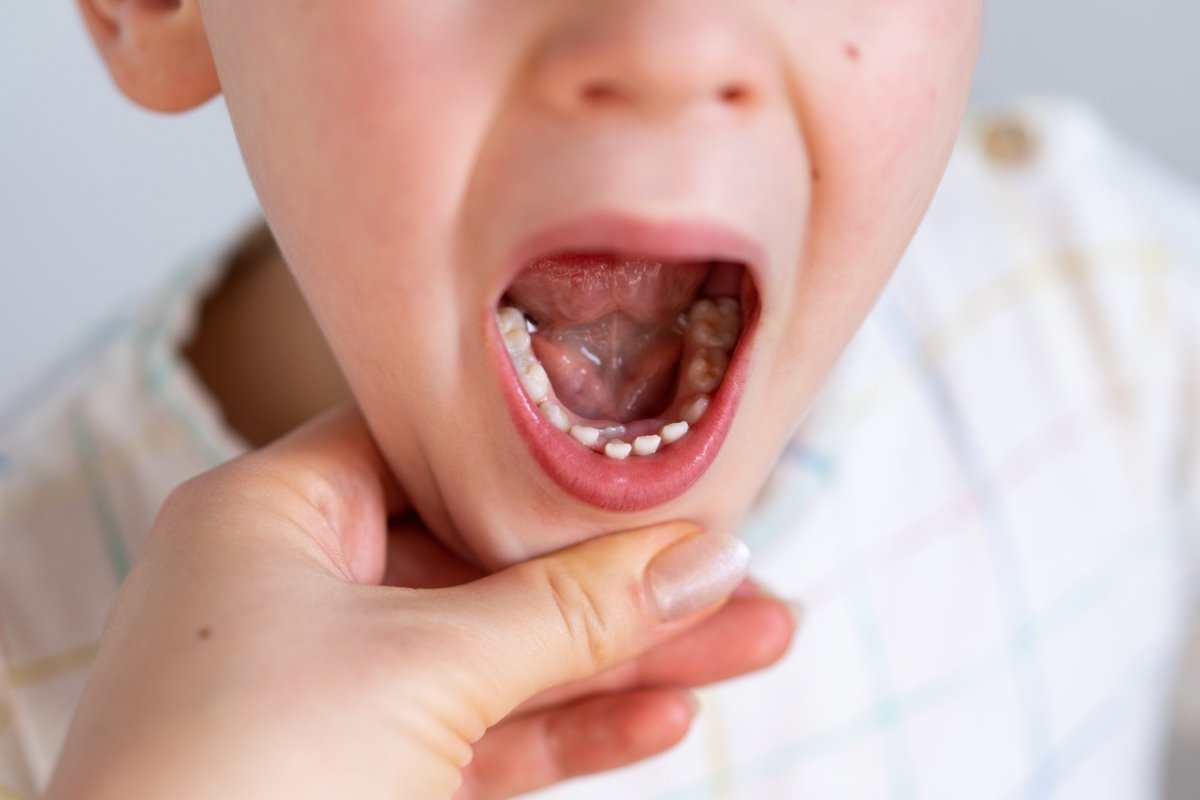
A Parent’s Guide to Early Detection, Causes, and Treatment Options
When your child’s smile starts to develop, it’s natural to expect a smooth transition from baby teeth to permanent teeth. But what happens if something looks off—like a tooth growing in sideways, behind another tooth, or in an unusual position? Abnormal tooth growth in children is more common than many parents realize, and early action can make a big difference in your child’s oral health and confidence.
If you’re in Ada, MI, or nearby communities, this guide will help you understand what’s happening, what to do next, and when to seek professional care at Norman Family Dentistry.
What Does “Abnormal Tooth Growth” Mean?
Abnormal tooth growth refers to teeth that don’t erupt in their proper position, alignment, or timing. Instead of coming in straight and aligned, a tooth may:
-
- Grow behind or in front of existing teeth
-
- Erupt at an angle (tilted or rotated)
-
- Remain partially or fully trapped under the gums (impacted)
-
- Appear too early or too late
While some irregularities resolve naturally, others require professional dental intervention.
Common Causes of Abnormal Tooth Growth in Children
Understanding the root cause can help determine the right treatment plan.
1. Overcrowding
When there isn’t enough space in the jaw, new teeth may shift or overlap.
2. Early Loss of Baby Teeth
If a baby tooth falls out too soon, nearby teeth can drift into the space, blocking the permanent tooth.
3. Delayed Baby Tooth Loss
Sometimes baby teeth don’t fall out on time, forcing permanent teeth to erupt in the wrong position.
4. Genetics
Family history plays a significant role in jaw size, tooth alignment, and spacing.
5. Habits Like Thumb Sucking
Prolonged habits can affect jaw development and tooth positioning.
6. Trauma or Injury
Injuries to the mouth can disrupt normal tooth eruption patterns.
Signs Parents Should Watch For
Early detection is key. Keep an eye out for:
-
- Teeth growing behind or in front of others
-
- Crooked, twisted, or overlapping teeth
-
- Delayed eruption of permanent teeth
-
- Pain or discomfort while chewing
-
- Difficulty speaking or biting
If you notice any of these signs, it’s time to consult a dentist.
What to Do If You Notice Abnormal Tooth Growth
1. Don’t Panic—But Don’t Ignore It
Some cases are temporary and self-correcting, but it’s best not to assume.
2. Schedule a Dental Evaluation
A professional exam will determine whether the issue needs treatment or just monitoring.
3. Get Dental X-Rays if Recommended
X-rays help identify impacted teeth, alignment issues, and underlying causes.
4. Follow a Customized Treatment Plan
Every child is different. Treatment may range from simple observation to orthodontic care.
Treatment Options for Abnormal Tooth Growth
Early Orthodontic Evaluation
Dentists may recommend early intervention (around age 7) to guide jaw and tooth development.
Braces or Clear Aligners
These gradually move teeth into proper alignment.
Tooth Extraction
In some cases, removing a baby tooth (or even a permanent tooth) creates space for proper alignment.
Space Maintainers
These devices hold space for permanent teeth if baby teeth are lost early.
Surgical Intervention
For impacted teeth, minor oral surgery may be required.
Why Early Treatment Matters
Addressing abnormal tooth growth early can:
-
- Prevent more serious orthodontic problems later
-
- Improve speech development
-
- Enhance chewing and digestion
-
- Boost your child’s self-confidence
-
- Reduce long-term dental costs
Preventing Abnormal Tooth Growth
While not all cases are preventable, you can reduce the risk by:
-
- Scheduling regular dental checkups
-
- Encouraging good oral hygiene habits
-
- Limiting prolonged thumb sucking or pacifier use
-
- Ensuring a balanced diet for healthy jaw development
-
- Monitoring the timing of baby tooth loss
When Should You See a Dentist?
You should schedule a visit if:
-
- A permanent tooth is erupting in the wrong position
-
- Baby teeth aren’t falling out on time
-
- Your child complains of pain or discomfort
-
- You notice crowding or alignment issues
Early evaluation provides peace of mind and ensures the best possible outcome.
Why Choose Norman Family Dentistry?
At Norman Family Dentistry, families receive compassionate, personalized care tailored to children’s unique dental needs. The team focuses on early detection, gentle treatment, and long-term oral health solutions in a comfortable, family-friendly environment.
Schedule Your Appointment Today
If your child’s tooth is growing abnormally, don’t wait for the problem to worsen. Early intervention can make treatment easier, faster, and more effective.
Schedule your appointment today at Norman Family Dentistry and visit us at 519 Ada Dr SE, Suite A, Ada, MI 49301, to keep your smile healthy, clean, and comfortable.
FAQs
1. Is it normal for a child’s tooth to grow behind another tooth?
It can happen, especially when baby teeth don’t fall out on time. While sometimes temporary, it’s best to have a dentist evaluate the situation.
2. At what age should my child see an orthodontist?
The American Dental Association recommends an orthodontic evaluation around age 7 to detect early issues.
3. Can abnormal tooth growth fix itself?
In mild cases, yes. However, many cases require monitoring or treatment to prevent worsening alignment.
4. Does abnormal tooth growth cause pain?
Not always, but it can lead to discomfort, difficulty chewing, or jaw strain if left untreated.
5. How long does treatment take?
Treatment duration varies depending on severity. Early intervention often shortens overall treatment time.