

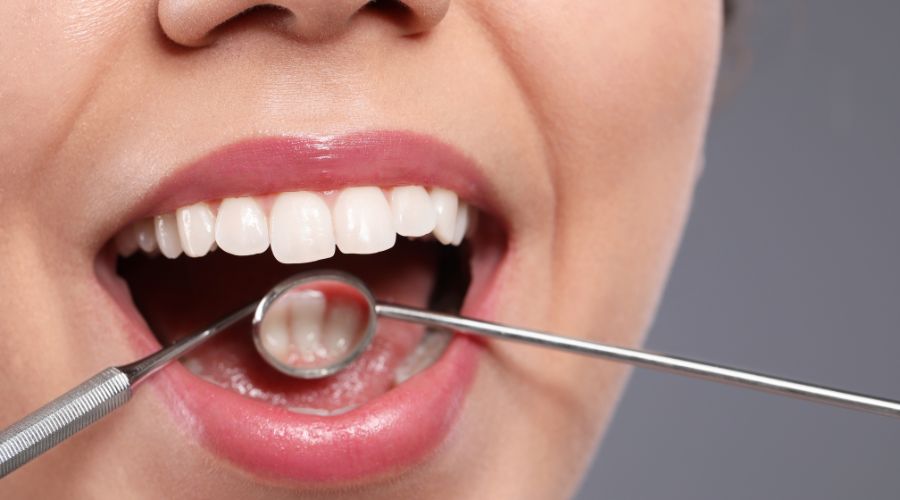
Periodontal disease, commonly known as gum disease, is a prevalent oral health condition characterized by inflammation of the gums and damage to the structures supporting the teeth. Periodontal and root scaling are essential dental procedures aimed at treating gum disease and restoring oral health. In this blog, we’ll delve into when periodontal and root scaling are necessary, exploring the signs of gum disease and the benefits of these treatments.
Understanding Periodontal and Root Scaling
Periodontal scaling, also known as deep cleaning or non-surgical periodontal therapy, is a dental procedure designed to remove plaque, tartar, and bacterial toxins from below the gumline. Root scaling involves cleaning the surfaces of the tooth roots to remove accumulated plaque and calculus (hardened plaque) that contribute to gum disease. These treatments are typically performed by dental hygienists or dentists and are crucial for managing gum disease and preventing its progression.
When are periodontal and root scaling necessary?
Periodontal and root scaling may be necessary under the following circumstances:
-
- Presence of Gum Disease: If you exhibit signs of gum disease, such as red, swollen, or bleeding gums, gum recession, or persistent bad breath, your dentist may recommend periodontal scaling to remove plaque and tartar from below the gumline and promote gum health.
-
- Deep Periodontal Pockets: Periodontal pockets are spaces that form between the gums and teeth due to gum disease. When these pockets deepen beyond 4 millimeters, they become difficult to clean with regular brushing and flossing alone. Periodontal scaling is necessary to access and clean these deep pockets effectively.
-
- Heavy Tartar Buildup: Accumulation of tartar (calcified plaque) on the tooth surfaces, particularly below the gumline, can contribute to gum inflammation and periodontal disease. Periodontal scaling and root planing are necessary to remove tartar deposits and smooth the tooth roots, preventing bacteria from re-adhering to the tooth surfaces.
-
- Preventive Maintenance: For individuals with a history of gum disease or those at increased risk, regular periodontal maintenance visits, including scaling and root planing, may be necessary to prevent disease recurrence and maintain gum health.
Benefits of Periodontal and Root Scaling
Periodontal and root scaling offer several benefits for individuals with gum disease:
-
- Reduction of Gum Inflammation: By removing plaque, tartar, and bacterial toxins from below the gumline, periodontal scaling helps reduce gum inflammation and promote healing of the gums.
-
- Prevention of Tooth Loss: Treating gum disease with periodontal and root scaling can help prevent further damage to the supporting structures of the teeth, including the gums and bone. This reduces the risk of tooth loss and preserves overall oral health.
-
- Improved Oral Health: Periodontal and root scaling not only treat existing gum disease but also contribute to improved oral hygiene and reduce the risk of future gum problems when combined with regular dental care and good oral hygiene practices.
Conclusion
Periodontal and root scaling are essential dental procedures for managing gum disease and preserving oral health. If you experience signs of gum disease or have deep periodontal pockets, your dentist may recommend periodontal scaling to remove plaque and tartar from below the gumline and promote gum health. By undergoing regular periodontal maintenance visits and practicing good oral hygiene habits, you can prevent gum disease recurrence and maintain a healthy smile for years to come. If you’re concerned about your gum health, be sure to schedule a dental examination with your dentist to discuss your treatment options.