

Oral cancer is a serious condition that affects the mouth, lips, tongue, and throat, with potentially life-threatening consequences if not detected early. While it’s not as commonly discussed as other cancers, oral cancer is on the rise, and regular screening is crucial for early detection and successful treatment. Many people may not realize that their dentist can play a key role in identifying the early signs of oral cancer through routine screenings during dental check-ups.
In this blog, we’ll explore the importance of oral cancer screening, what it involves, and how it can make a significant difference in your overall health.
What Is Oral Cancer?
Oral cancer refers to cancers that develop in the tissues of the mouth or throat. It can affect various areas, including:
- Lips
- Gums
- Tongue
- Inner lining of the cheeks
- Roof or floor of the mouth
- Throat (oropharynx)
Oral cancer falls under the broader category of head and neck cancers and is more common among older adults, especially those who smoke or drink alcohol excessively. However, it can affect people of all ages and lifestyles, which is why screening is so important.
The Importance of Early Detection
Like many other cancers, oral cancer is most treatable when detected early. Unfortunately, oral cancer is often diagnosed at a later stage, which can complicate treatment and reduce the chances of a full recovery. This is why early detection is critical. Regular oral cancer screenings allow healthcare providers to identify suspicious areas before the cancer has advanced.
According to the Oral Cancer Foundation, the survival rate for oral cancer is about 80–90% when caught in its early stages. However, when diagnosed late, the survival rate drops to around 50%. Early detection can also mean less aggressive treatment and a better quality of life for patients.
What Increases Your Risk for Oral Cancer?
Several factors can increase the risk of developing oral cancer. These include:
- Tobacco Use: Smoking cigarettes, cigars, or pipes, as well as using chewing tobacco, significantly increases the risk of oral cancer.
- Excessive Alcohol Consumption: Regular, heavy alcohol use is another major risk factor.
- Human Papillomavirus (HPV): Certain strains of HPV, particularly HPV-16, have been linked to an increased risk of oropharyngeal cancer.
- Sun Exposure: Prolonged exposure to the sun without proper protection can lead to lip cancer.
- Age: The risk of oral cancer increases with age, particularly in those over 40.
- Poor Diet: A diet lacking in fruits and vegetables may increase the risk of oral cancer.
- Weakened Immune System: People with compromised immune systems may be at a higher risk.
Even if you don’t fall into one of these risk categories, regular screenings are essential. Oral cancer can affect anyone, regardless of lifestyle, and early detection can save lives.
What Happens During an Oral Cancer Screening?
Oral cancer screening is a simple, painless procedure that is often included as part of your routine dental exam. Your dentist or dental hygienist will look for any signs or symptoms of oral cancer during this examination.
Here’s what you can expect during an oral cancer screening:
- Visual Examination: The dentist will visually inspect the inside of your mouth, including your lips, gums, tongue, cheeks, the roof and floor of your mouth, and the back of your throat. They’ll be looking for any red or white patches, lumps, sores that haven’t healed, or other abnormalities.
- Palpation: The dentist may gently feel the tissues in your mouth and around your jawline and neck to check for any unusual lumps or swelling.
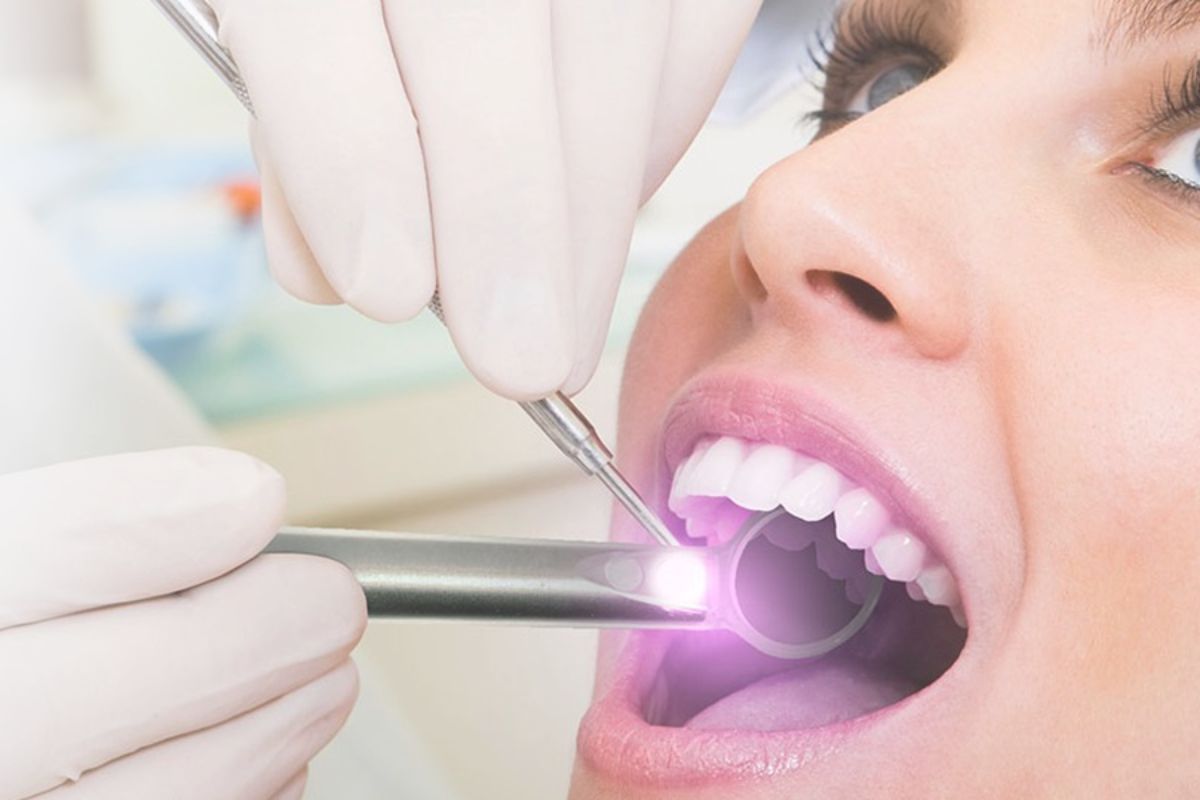
- Use of Specialized Tools: In some cases, dentists use specialized tools or lights to enhance the screening. For example, a Velscope or similar device can be used to detect abnormal tissue that might not be visible to the naked eye by highlighting areas of concern under a special light.
- Discussion of Symptoms: Your dentist may ask if you’ve experienced any symptoms that could be indicative of oral cancer, such as:
- Persistent sores in the mouth or on the lips
- Difficulty swallowing
- Unexplained bleeding in the mouth
- A lump or thickening in the cheek
- Numbness in the mouth or tongue
- Hoarseness or a persistent sore throat
If any suspicious areas are found, the dentist may recommend further testing or refer you to a specialist for a biopsy to determine if cancerous cells are present.
Who Should Get Oral Cancer Screenings?
The American Dental Association (ADA) recommends that all adults receive oral cancer screenings during routine dental exams, especially those who are at higher risk due to smoking, alcohol use, or HPV infection. If you fall into one of these higher-risk groups, your dentist may recommend more frequent screenings. However, even individuals with no known risk factors should get screened regularly since early detection can occur long before symptoms become noticeable.
The Benefits of Regular Oral Cancer Screenings
There are several important benefits to scheduling regular oral cancer screenings:
- Early Detection Saves Lives: The earlier oral cancer is found, the better your chances of successful treatment and recovery. Screening allows dentists to detect precancerous conditions before they develop into more serious problems.
- Quick and Painless: Oral cancer screenings are quick, non-invasive, and painless. They can be done during a regular dental exam and only take a few minutes.
- Peace of Mind: Regular screenings can help put your mind at ease. Knowing that you’re being proactive about your health and receiving professional care for potential issues gives you confidence in your overall well-being.
- Prevention and Education: Oral cancer screenings also provide an opportunity for dentists to educate patients on the importance of reducing risk factors, such as quitting smoking or reducing alcohol consumption.
What Happens If Oral Cancer Is Detected?
If your dentist finds something suspicious during the screening, they may recommend a biopsy to confirm whether the tissue is cancerous. If oral cancer is detected, treatment options will vary depending on the type and stage of the cancer. These may include surgery, radiation therapy, chemotherapy, or a combination of these treatments.
Early-stage oral cancer may be treated with less aggressive interventions, while advanced-stage cancers may require more extensive treatment.
Oral cancer is a serious disease, but regular screenings can make a significant difference in early detection and successful treatment. By including oral cancer screenings as part of your regular dental care, you are taking a proactive step toward protecting your health. Whether or not you have known risk factors, it’s important to prioritize these screenings and stay informed about the symptoms of oral cancer.
If it’s been a while since your last oral cancer screening, or if you have concerns about your oral health, schedule a dental check-up today. Regular screenings could save your life.