

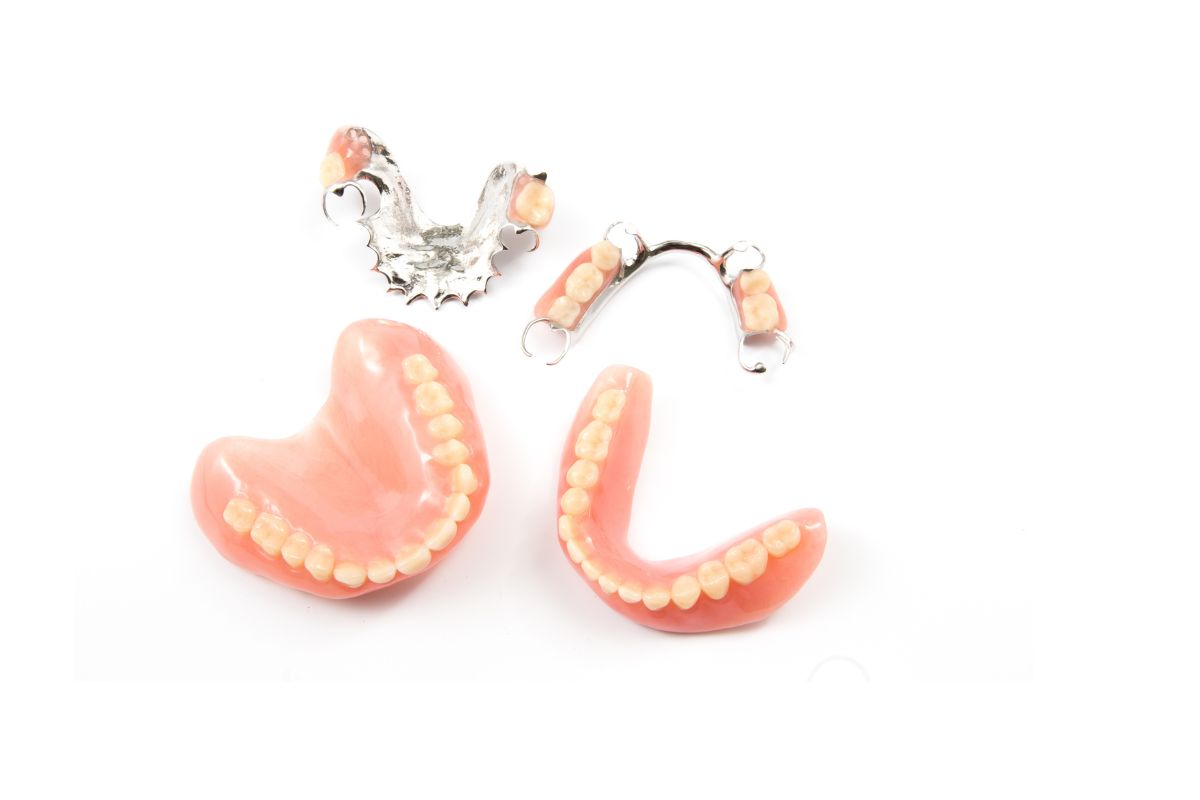
Removable dentures are a popular and cost-effective solution for replacing missing teeth and restoring oral functionality. Whether you’re wearing full or partial dentures, these prosthetics are designed to fit comfortably and serve you well for years. However, like any dental appliance, they aren’t indestructible. Over time, they may wear out, become ill-fitting, or even break. Recognizing the signs that your dentures need to be repaired or replaced is crucial to maintaining your oral health and comfort.
In this blog, we’ll explore the top warning signs that it’s time to visit your dentist for a denture evaluation. If you’re experiencing any of these issues, don’t wait—prompt attention can help avoid bigger problems down the line.
1. Difficulty Chewing or Speaking
When dentures are properly fitted, they restore your ability to chew and speak comfortably. However, if your dentures have started to shift or don’t fit as snugly as they once did, you might notice increased difficulty with everyday tasks like eating certain foods or pronouncing words clearly.
This can be a sign that your dentures have warped or that your jawbone has changed shape over time, affecting the fit. Either way, struggling to chew or speak is a red flag that your dentures need adjustment or replacement.
2. Sore Spots, Irritation, or Sores in the Mouth
Your gums should not feel irritated while wearing dentures. If you notice persistent sore spots, mouth sores, or inflammation in areas where your dentures rest, this could indicate that the denture base no longer aligns properly with your gums.
Ill-fitting dentures can create friction points, leading to painful sores or even infections. Early intervention can help reduce discomfort and prevent further oral health complications.
3. Visible Cracks, Chips, or Broken Teeth
Dentures can break just like natural teeth, especially if dropped or mishandled. Even a small chip or crack in the denture material can lead to discomfort, reduced functionality, or bacterial buildup in hidden crevices.
A broken denture should never be worn. Instead, bring it to your dentist as soon as possible for repair or replacement. Wearing damaged dentures can cause injury to your gums and disrupt your bite.
4. Dentures Feel Loose or Keep Slipping
Well-made dentures should stay securely in place throughout the day. If your dentures frequently slip out of position when you talk, eat, or laugh, this could be due to bone loss in the jaw or deterioration of the denture base.
Loose dentures not only cause discomfort but also increase your risk of mouth sores and infections. Your dentist may suggest relining your current set or crafting a new one for a better fit.
5. Changes in Facial Appearance
Dentures do more than just restore your teeth—they also help support your facial structure. If you’ve noticed sunken cheeks, deepening wrinkles around the mouth, or a collapsed jaw appearance, it may be due to worn-out or poorly fitting dentures.
Bone resorption in the jaw can alter the shape of your mouth and face over time. Updated dentures that fit properly can restore facial volume and improve your overall appearance.
6. Persistent Bad Breath or Bad Taste
While occasional bad breath is normal, persistent halitosis or a foul taste in your mouth—even after cleaning your dentures, may indicate bacteria buildup.
Damaged or poorly cleaned dentures can harbor harmful microorganisms. This not only affects your breath but also poses a risk to your oral and general health. If proper hygiene doesn’t resolve the issue, it may be time for a new set of dentures.
7. Difficulty Keeping Dentures Clean
Older dentures tend to develop surface wear, tiny cracks, and staining that make them harder to keep clean, even with daily brushing and soaking. If your dentures still look and feel dirty after regular cleaning, bacteria could be lurking in places you can’t see.
Replacing older dentures with a new, smooth, and properly fitting set will make them easier to clean and more hygienic overall.
8. Clicking Noises When Talking
Have you noticed a clicking sound when you speak? This is usually a result of ill-fitting dentures that shift in your mouth. Clicking is not just annoying—it’s also a warning sign that your dentures aren’t functioning as they should.
If you frequently experience this issue, schedule a consultation with your dentist to evaluate the fit and stability of your appliance.
9. Gum Infections or Frequent Mouth Inflammation
Removable dentures that don’t fit correctly can cause trauma to your soft tissues, leading to gum inflammation or even infections like stomatitis or candidiasis (oral thrush). These conditions are not only uncomfortable but can also lead to more serious health concerns if left untreated.
Frequent flare-ups or redness beneath your dentures shouldn’t be ignored. It’s often a sign that your denture needs to be realigned, relined, or replaced entirely.
10. Dentures Are More Than 5–7 Years Old
Even with proper care, most dentures have a lifespan of 5 to 7 years. Over time, the shape of your mouth and jaw changes, and the denture materials wear down.
If your dentures are older than this range, they’re likely not offering the best fit or support. Replacing them with a new set that reflects your current oral structure can improve comfort, function, and aesthetics.
Tips to Prolong the Life of Your Dentures
While it’s important to recognize signs of wear and damage, you can also take proactive steps to extend the life of your dentures:
-
- Handle with care—always clean with a soft towel or water-filled sink to avoid breakage if dropped.
-
- Clean daily—brush your dentures with a soft-bristled brush and use a non-abrasive denture cleanser.
-
- Soak overnight—use a dentist-approved solution to keep them moist and clean.
-
- Avoid hard foods—don’t bite into very hard or sticky foods that could cause damage.
-
- See your dentist regularly—professional cleanings and exams will help detect issues early.
When to See Your Dentist
Before scheduling an appointment, don’t wait for your dentures to break or cause pain. Routine dental visits ensure your dentures are in good shape and that your gums and jawbone remain healthy. If you notice any of the signs discussed above—or if something doesn’t feel right—consult your dentist for a professional evaluation.
In some cases, your dentures may only need a minor adjustment or reline. In other instances, replacement is the best course of action to restore function and comfort.
Don’t Ignore the Signs
Your removable dentures are vital in your daily life—from helping you eat and speak to maintaining your self-confidence and appearance. Staying vigilant and addressing problems early can prevent discomfort and improve your quality of life.
If you’re experiencing loose dentures, gum irritation, or any other issues mentioned in this blog, it’s time to act. Our dental team is here to help evaluate your situation and offer the best repair or replacement solution for your needs. Request an appointment now and take the first step toward better oral health and comfort.