

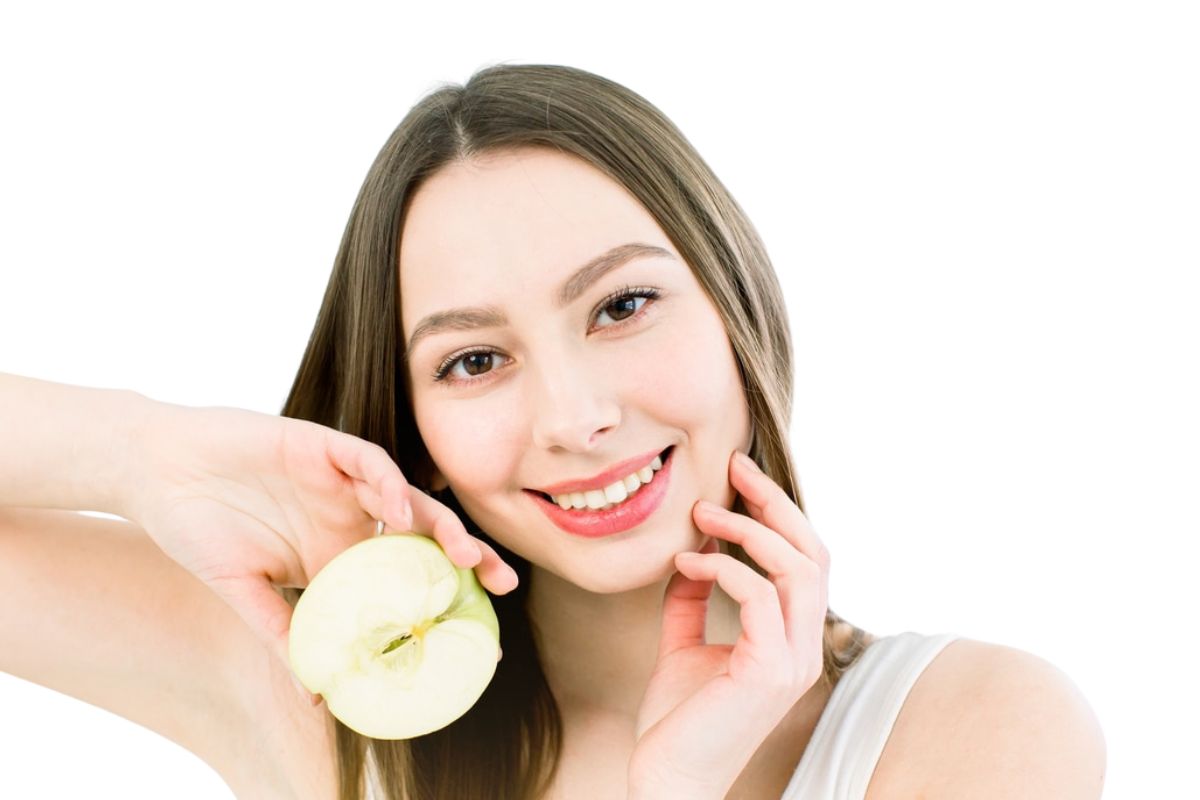
A bright, white smile is often associated with good health and confidence. While professional whitening treatments are highly effective, many people seek natural methods to whiten their teeth at home due to concerns about cost, sensitivity, or the desire for a more holistic approach.
If you’re looking for safe and effective ways to naturally whiten your teeth, you’re in the right place. This guide explores proven home remedies and lifestyle tips that can help restore your smile’s sparkle, without harsh chemicals or expensive treatments.
Why Teeth Become Discolored
Before diving into natural remedies, it’s important to understand why teeth become stained or yellow in the first place. Common causes include:
-
- Diet: Coffee, tea, red wine, cola, berries, and dark sauces can stain teeth.
-
- Tobacco use: Smoking or chewing tobacco leads to deep stains.
-
- Poor oral hygiene: Irregular brushing or flossing allows plaque to build up.
-
- Aging: Enamel thins over time, revealing the yellowish dentin underneath.
-
- Genetics and medications: Some people naturally have darker teeth or experience staining due to medications like tetracycline.
Now, let’s explore how to address discoloration using natural, at-home methods.
1. Brush With Baking Soda
Baking soda is a mild abrasive that can gently scrub away surface stains. It also helps create an alkaline environment in your mouth, which can prevent bacterial growth.
How to Use:
-
- Mix 1 teaspoon of baking soda with 2 teaspoons of water.
-
- Brush your teeth with the paste for 1–2 minutes.
-
- Use it a few times a week, not daily, to avoid enamel erosion.
Note: Results are gradual. Baking soda removes surface stains but won’t change the natural color of your teeth or lighten deep stains.
2. Oil Pulling
Oil pulling is an ancient Ayurvedic practice that involves swishing oil in your mouth to draw out toxins and reduce plaque. While it won’t bleach teeth, it may help reduce yellowing caused by bacteria or plaque.
Best Oils for Pulling:
-
- Coconut oil (has antibacterial and anti-inflammatory properties)
-
- Sesame oil
-
- Sunflower oil
How to Do It:
-
- Swish 1 tablespoon of oil in your mouth for 15–20 minutes.
-
- Spit it into the trash (not the sink, as it may clog pipes).
-
- Rinse and brush as usual.
-
- Practice daily for best results.
3. Use Hydrogen Peroxide (With Caution)
Hydrogen peroxide is a natural bleaching agent found in many commercial whitening products. A diluted solution can help whiten teeth and kill bacteria.
How to Use:
-
- Mix equal parts of 3% hydrogen peroxide and water.
-
- Swish the solution in your mouth for about 30–60 seconds.
-
- Spit it out and rinse your mouth with water.
Caution: Don’t use undiluted hydrogen peroxide. Overuse may cause gum irritation and tooth sensitivity. Limit use to 2–3 times per week.
4. Apple Cider Vinegar (ACV)
ACV is a natural cleaner and disinfectant that can help remove surface stains. However, it’s highly acidic and may erode enamel if used too frequently.
How to Use:
-
- Dilute 1 tablespoon of ACV in a cup of water.
-
- Swish in your mouth for 30 seconds.
-
- Rinse thoroughly with plain water and brush afterward.
Tip: Use sparingly—no more than once or twice a week.
5. Eat Whitening-Friendly Foods
Certain crunchy fruits and vegetables act as natural toothbrushes and help scrub away plaque and stains.
Foods That May Help Whiten Teeth:
-
- Strawberries: Contain malic acid, which can help remove surface stains.
-
- Pineapple: Has bromelain, an enzyme that may help break down plaque.
-
- Apples, celery, and carrots: Stimulate saliva production and physically clean teeth.
Bonus Tip: Chewing sugar-free gum after meals can also help remove food particles and boost saliva flow.
6. Activated Charcoal
Activated charcoal is highly absorbent and is believed to trap toxins and remove stains from teeth. While scientific evidence is limited, many people find it effective as a short-term remedy.
How to Use:
-
- Wet your toothbrush and dip it in activated charcoal powder.
-
- Gently brush for 2 minutes.
-
- Rinse thoroughly.
Warning: Use no more than once or twice a week, and be gentle to avoid enamel damage.
7. Maintain Excellent Oral Hygiene
Sometimes, natural whitening is as simple as brushing and flossing consistently. Plaque buildup and poor hygiene contribute significantly to discoloration.
Tips for Daily Care:
-
- Brush twice a day with fluoride toothpaste.
-
- Floss once a day to remove plaque between teeth.
-
- Use a whitening mouthwash to maintain results.
8. Avoid Staining Habits
Preventing stains in the first place is a major step toward a whiter smile.
Avoid or Limit:
-
- Coffee, tea, red wine, soda
-
- Dark berries and soy sauce
-
- Smoking or chewing tobacco
Tip: If you do consume stain-causing foods or drinks, rinse your mouth with water afterward or use a straw to minimize contact with teeth.
Are Natural Methods Right for You?
While natural remedies are affordable and appealing, they have limitations. They generally:
-
- Work best for surface stains
-
- Require consistent effort over time
-
- Are less potent than professional treatments
If you have deep discoloration, severe staining, or want faster results, consult your good dentist about safe in-office or at-home whitening options.
Achieving a naturally white smile at home is possible with patience, consistency, and proper care. By incorporating these natural methods into your daily routine and making smart lifestyle choices, you can brighten your teeth and improve your oral health without harsh chemicals or expensive treatments.
Reminder: Always consult with your dentist before starting any new whitening regimen, especially if you have sensitive teeth, gum issues, or dental restorations.