

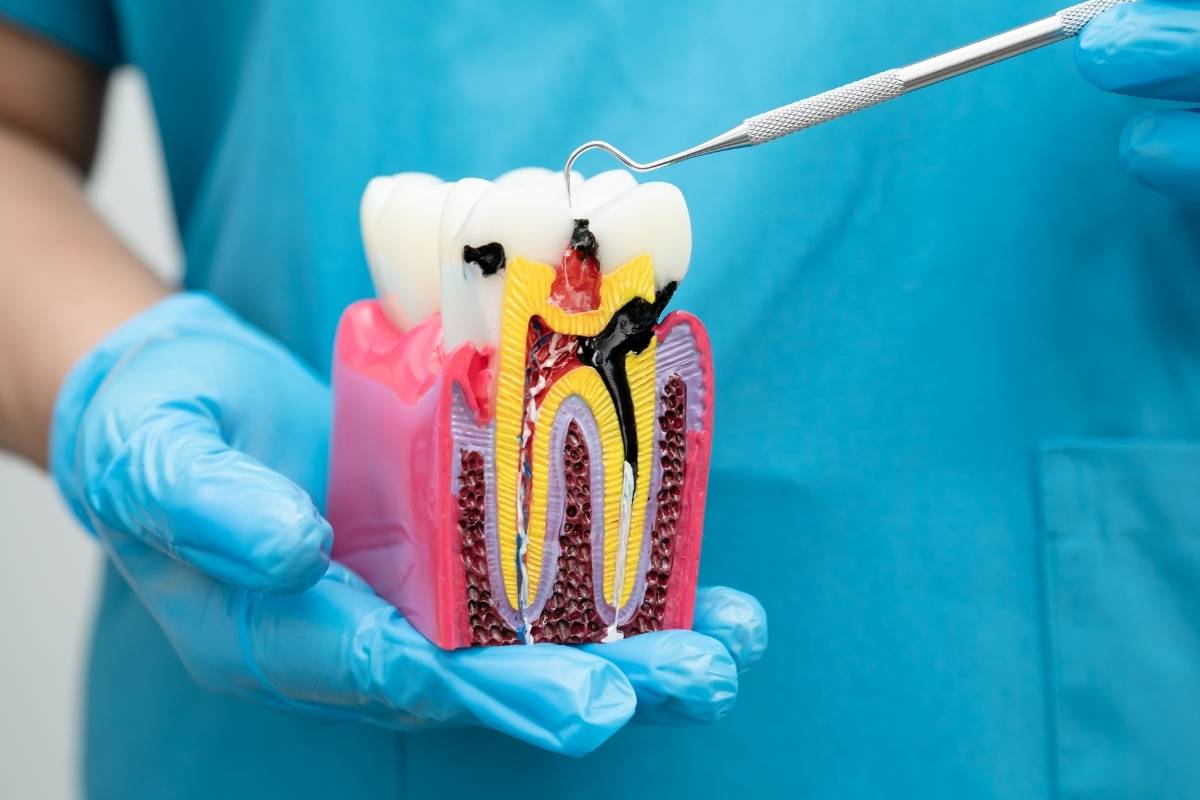
Tooth pain can disrupt your day, affect your sleep, and make simple activities like eating or drinking feel unbearable. While not all dental discomfort indicates a serious issue, some symptoms can point to a deeper problem—specifically, an infection inside the tooth’s pulp. Recognizing the warning signs early can help you avoid severe pain, prevent the spread of infection, and protect your natural tooth. If you’ve been searching for information on whether you might need a root canal in Ada, this guide will help you understand the symptoms, causes, and next steps.
What Is a Tooth Pulp Infection?
At the center of every tooth is the pulp, a soft tissue made up of nerves, blood vessels, and connective tissue. When bacteria invade this delicate area—often through deep decay, cracks, trauma, or old fillings—it can lead to inflammation and infection. If left untreated, the infection can spread to the surrounding bone, potentially causing abscesses, swelling, and even tooth loss.
A root canal treatment removes the infected pulp, cleans the inside of the tooth, and seals it to prevent future issues—preserving your natural tooth structure and relieving pain.
Top Signs You May Need a Root Canal
1. Persistent Tooth Pain
One of the most common signs is constant or recurring tooth pain. This discomfort may feel dull and aching, sharp and shooting, or throbbing. Pain that worsens when you chew, bite, or apply pressure is especially concerning. If the pain persists even after taking over-the-counter pain relievers, it may indicate a pulp infection that requires prompt care.
2. Sensitivity to Hot or Cold Temperatures
Experiencing a lingering, stinging sensation when eating or drinking something hot or cold is another key symptom. Unlike normal sensitivity that fades quickly, root canal-related pain often continues long after the temperature trigger is removed.
3. Swollen or Tender Gums
Infections deep within a tooth can spread to the surrounding gum tissue. You may notice swelling, redness, or tenderness near the affected tooth. In some cases, a small pimple-like bump (a dental abscess) can appear on the gums, which may ooze pus and cause an unpleasant taste.
4. Darkening or Discoloration of the Tooth
A tooth that has undergone trauma or internal infection may turn gray, brown, or dark yellow. This discoloration occurs because the internal tissues are dying and no longer receiving proper blood flow.
5. Pain When Chewing or Touching the Tooth
If you experience sharp pain when you touch the tooth or bite down, this could be a sign of nerve damage or infection inside the pulp chamber.
6. A Chipped, Cracked, or Broken Tooth
Any break in a tooth can allow bacteria to enter. If you’ve recently injured a tooth or noticed a crack, it’s important to monitor the area for signs of infection—including pain and sensitivity. Even small cracks invisible to the naked eye can cause a pulp infection.
Why Early Detection Matters
The earlier a pulp infection is diagnosed, the easier it is to treat. Delaying treatment can lead to:
-
- Severe swelling or facial infection
-
- Abscess formation
-
- Bone loss around the tooth
-
- Spread of infection to other parts of the body
-
- Tooth loss requiring more complex treatments like dental implants or bridges
Root canal treatment not only saves the natural tooth but also prevents the need for more invasive or costly dental procedures.
How a Root Canal Treatment Helps
A root canal procedure removes the source of infection, eliminates pain, and restores tooth function. Treatment includes:
-
- Numbing the area for comfort
-
- Removing the infected pulp
-
- Cleaning and reshaping the canals
-
- Sealing the tooth with a biocompatible filling
-
- Restoring strength with a crown, when necessary
Modern root canal therapy is comfortable, efficient, and highly successful—often completed in one or two visits.
When to See a Dentist
If you’re experiencing any of the symptoms listed above, it’s essential to schedule an evaluation right away. A dentist can take X-rays, perform tests, and determine whether a root canal is necessary.
Don’t wait until the pain becomes unbearable—early treatment leads to better outcomes and less discomfort.
If you suspect you may need a root canal, expert dental care is available. Book an appointment today at 519 Ada Dr SE, Suite A, Ada, MI 49301, US to get relief, protect your oral health, and save your natural tooth.
FAQs
1. Is a root canal painful?
Modern root canal treatments are no more uncomfortable than getting a dental filling. Local anesthesia ensures you feel little to no pain during the procedure, and most patients report immediate relief afterward.
2. How long does a root canal last?
With proper care and a protective crown, a root canal-treated tooth can last for many years—often a lifetime. Good oral hygiene, regular cleanings, and avoiding chewing hard objects help maintain long-term results.
3. Can a tooth infection heal on its own?
No. Once the pulp becomes infected, it cannot heal without professional treatment. Ignoring the infection may worsen pain and increase the risk of complications such as abscesses or tooth loss.