

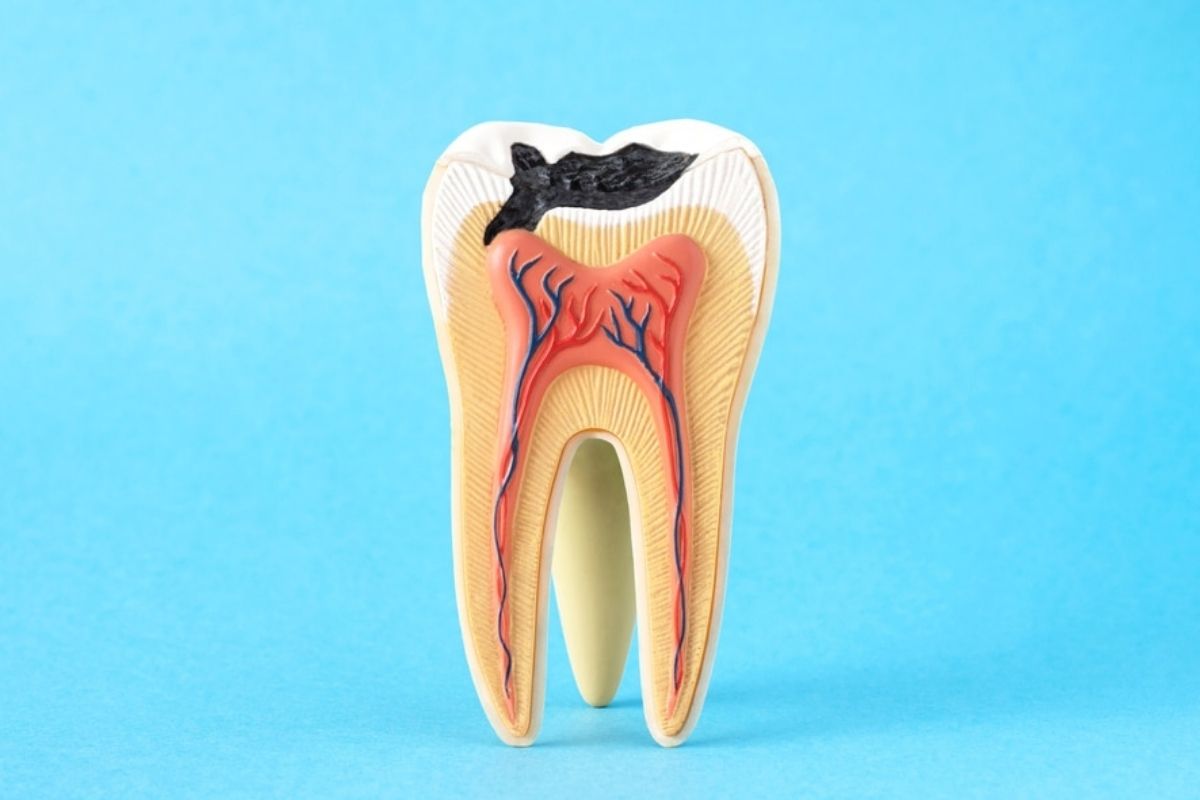
Severe tooth decay can strike suddenly—bringing pain, swelling, sensitivity, or even an infection that spreads rapidly. When this happens, getting immediate care is essential to protect your oral health and prevent more serious complications. Knowing your treatment options can help you feel confident and prepared the moment you notice something is wrong. Whether you’re experiencing a sharp ache or a tooth that feels different when biting down, an emergency dentist can help determine the right solution.
Below, we break down three of the most common emergency treatments in Ada for severe decay: root canal therapy, dental crowns, and tooth extractions, and when each option is recommended.
Understanding Severe Tooth Decay
Tooth decay begins when bacteria in plaque erode the enamel, eventually reaching deeper layers of the tooth. When decay is caught early, a simple filling often solves the problem. But when it becomes severe, the tooth’s structure, nerve, or roots may be compromised.
Common signs include:
-
- Persistent toothache
-
- Sensitivity to hot or cold
-
- Pain when chewing
-
- Visible holes or dark spots
-
- Swelling around the gums
-
- Bad breath or a foul taste
When these symptoms appear, delaying treatment can allow infection to spread to the jawbone or surrounding teeth. That’s why emergency intervention is crucial.
1. Root Canal Therapy: Saving the Natural Tooth
A root canal is one of the most effective treatments for severe decay that has reached the tooth’s pulp (nerve). Instead of removing the tooth, your dentist cleans out the infection, shapes the root canals, and seals the tooth to prevent future issues.
When is a Root Canal Needed?
-
- Intense, lingering tooth pain
-
- Sensitivity that lingers after heat/cold
-
- Swollen or tender gums
-
- Tooth darkening
Benefits of a Root Canal
-
- Saves the natural tooth
-
- Stops the spread of infection
-
- Eliminates pain
-
- Prevents the need for extraction
-
- Long-lasting solution when paired with a crown
After treatment, most teeth require a crown to reinforce and restore strength.
2. Dental Crown: Protecting and Rebuilding a Damaged Tooth
A dental crown is a cap placed over a weakened tooth to restore its shape, function, and appearance. For severely decayed teeth where the structure is still stable but significantly compromised, a crown is the ideal option.
When is a Crown Recommended?
-
- After a root canal
-
- When decay removes too much tooth structure
-
- For cracked or broken teeth
-
- When fillings are no longer effective
Benefits of a Crown
-
- Restores normal biting and chewing
-
- Protects the remaining natural tooth
-
- Prevents further cracking or fracture
-
- Looks and functions like a natural tooth
If decay is deep but the root remains healthy, a crown can save the tooth and prevent the need for extraction.
3. Tooth Extraction: When the Tooth Cannot Be Saved
When decay destroys too much of a tooth’s structure—or infection becomes too severe—extraction may be the only viable solution. Removing the compromised tooth prevents the infection from spreading to the jawbone or neighboring teeth.
When is Extraction Necessary?
-
- Extensive decay beyond repair
-
- Severe infection or abscess
-
- Tooth fractured below the gum line
-
- Insufficient tooth structure for a crown
Benefits of Extraction
-
- Eliminates pain immediately
-
- Removes infection risk
-
- Prepares the mouth for a replacement (implant or bridge)
After an extraction, replacing the missing tooth is essential to prevent shifting, bone loss, and bite problems.
Which Option Is Right for You?
Every case of severe decay is different. Dentists typically evaluate:
-
- X-rays to assess root and bone health
-
- The extent of decay
-
- Tooth stability
-
- Infection severity
Root canals and crowns are preferred because they preserve your natural tooth whenever possible. Extraction is usually a last resort, only recommended when the tooth cannot be saved.
If you’re experiencing sudden tooth pain or suspect advanced decay, don’t wait. Same-day appointments and urgent care are often available to relieve discomfort immediately.
If you are dealing with severe tooth pain, infection, or visible decay, timely care makes all the difference. Book an appointment today at 519 Ada Dr SE, Suite A, Ada, MI 49301, US, for prompt, compassionate emergency dental treatment. Relief begins the moment you take the first step.
FAQs
1. How do I know if I need a root canal or a tooth extraction?
Your dentist will take X-rays to evaluate the severity of the infection and the remaining tooth structure. If the tooth can be restored, a root canal and crown are ideal. If not, extraction may be recommended.
2. Can severe tooth decay heal on its own?
No. While early decay can sometimes be reversed with fluoride, severe decay requires professional treatment. Ignoring symptoms can lead to infection, abscess, and bone loss.
3. How quickly should I seek treatment for a severe toothache?
Immediately. Toothaches rarely resolve without treatment. The sooner you visit an emergency dentist, the greater the chance of saving the tooth and avoiding complications.