

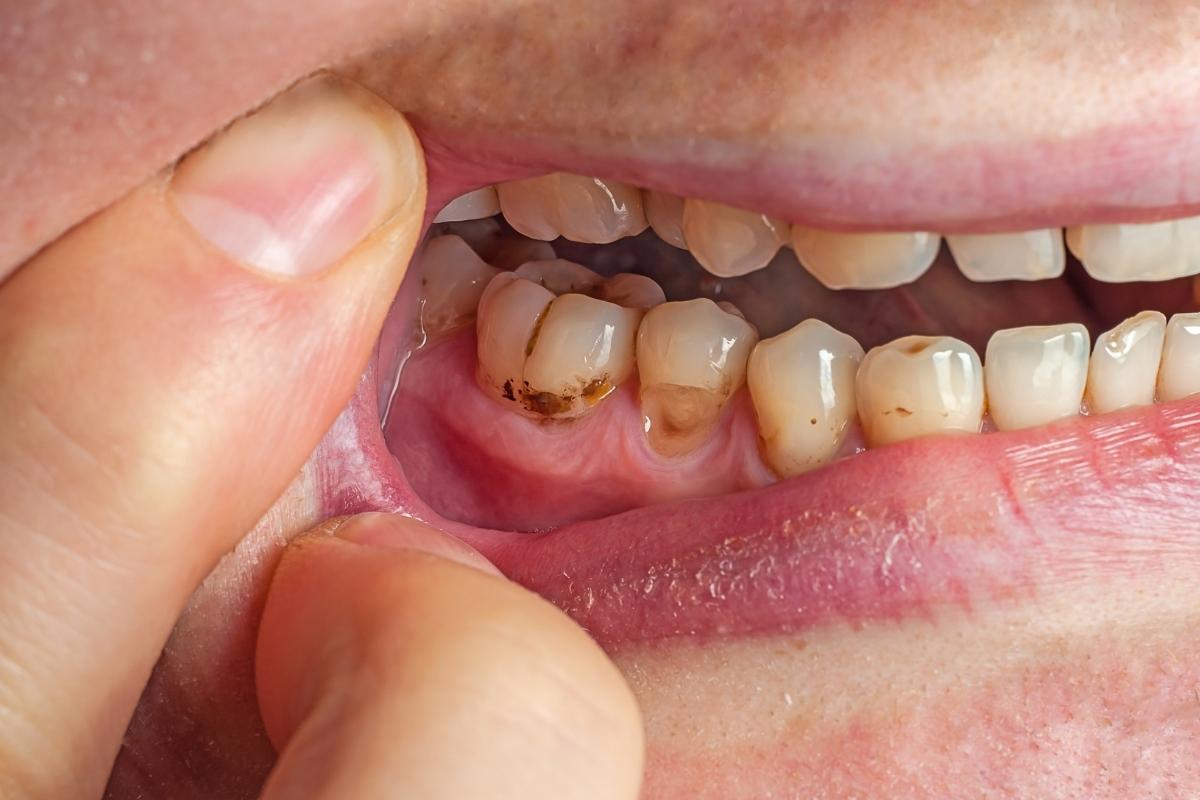
Many patients hope that with enough brushing, flossing, or mouthwash, a cavity might simply disappear. It’s a common question — and an understandable one. After all, we all want to avoid fillings or dental work whenever possible. But can a cavity really go away on its own with better oral hygiene?
Let’s break down the myth vs. fact behind cavity healing so you know what’s possible, what’s not, and what steps you can take to protect your smile.
Myth: Brushing and flossing can reverse any cavity.
This belief is widespread, but unfortunately inaccurate. Once a cavity (dental decay) progresses past a certain point, it cannot heal naturally, no matter how well you brush or floss. Cavities are caused by harmful bacteria that break down the enamel layer of your tooth. When the enamel is permanently damaged and a hole forms, the structure cannot regrow on its own.
Good oral hygiene helps prevent the spread of decay — but it cannot close an existing hole in your tooth.
Fact: Early-stage tooth decay can be reversed — but only before it becomes a true cavity.
There is some truth behind the myth. If decay is caught very early, before it breaks through the enamel, it may still be reversible. This stage is known as incipient decay or decalcification, often appearing as white spots on the teeth.
At this stage, minerals like calcium and phosphate can be replenished through:
- Brushing twice a day with fluoride toothpaste
- Daily flossing
- Professional fluoride treatments
- Better diet and reduced sugar intake
- Regular dental cleanings
Fluoride is key — it strengthens weakened enamel and can stop early decay in its tracks. But once a cavity has formed, fluoride cannot rebuild missing tooth structure.
Myth: If a cavity doesn’t hurt, it’s not serious.
Most cavities do not cause pain until they reach deeper layers of the tooth. By the time you feel sensitivity or discomfort, the decay may already be close to the nerve. Waiting for symptoms can lead to:
- Larger cavities
- The need for root canal treatment
- Tooth fracture
- Permanent tooth loss
Silent cavities are the most dangerous — routine dental exams are essential for catching them early.
Fact: Only a dentist can remove decay and restore your tooth once a cavity forms.
When a cavity progresses, the damaged part of the tooth must be carefully cleaned out and restored with a filling, inlay, onlay, or crown, depending on its size. This stops the decay from spreading and strengthens the tooth so you can chew, speak, and smile without worry.
At every stage, professional dental care is the only proven, safe way to treat a true cavity.
Myth: Cavities only affect kids.
Adults of all ages develop cavities — even those who brush well. Reasons include:
- Receding gums that expose vulnerable root surfaces
- Dry mouth from medications or medical conditions
- Old fillings breaking down
- Lifestyle habits like snacking, high sugar intake, or sipping coffee
This makes routine checkups extremely important, especially for adults over 30.
How to Prevent Cavities from Forming in the First Place
Even though existing cavities can’t be reversed, you can significantly reduce your risk with consistent habits:
- Brush twice daily with fluoride toothpaste
- Floss every day
- Limit sugary foods and acidic drinks
- Drink plenty of water
- Visit the dentist at least twice a year
- Consider fluoride treatments or dental sealants if recommended
Small changes add up — and your future smile will thank you.
Concerned You Might Have a Cavity? Get Checked Before It Worsens.
If you feel sensitivity, see discoloration, or suspect early decay, don’t wait. Timely treatment can prevent small issues from becoming bigger (and more expensive) problems.
For expert, gentle dental care in Ada, MI, visit us at 519 Ada Dr SE, Suite A, Ada, MI 49301.
Your oral health matters — and the sooner you take action, the better your outcome will be. Book an appointment today to keep your smile healthy and cavity-free!