

Dental health plays a major role in your overall well-being, confidence, and quality of life. One of the most common restorative dental treatments recommended by dentists is a dental filling. If you’ve ever experienced tooth sensitivity or pain while chewing or noticed dark spots on your teeth, you may have wondered whether you need a filling.
In this guide, we’ll explain what dental fillings are, when they are necessary, the different types available, their benefits, and how they help protect your smile for years to come.
What Are Dental Fillings?
Dental fillings are restorative materials used to repair teeth damaged by decay, cracks, fractures, or wear. When a cavity forms, the decayed portion of the tooth must be removed to stop the spread of bacteria. The cleaned area is then filled with a durable material that restores the tooth’s shape, strength, and function.
Fillings help preserve your natural tooth structure while preventing further damage that could lead to more serious dental problems like infections, root canals, or tooth loss.
Why Are Dental Fillings Important?
Ignoring tooth decay can allow bacteria to penetrate deeper into the tooth, eventually reaching the nerve and causing severe pain or infection. Dental fillings are essential because they:
-
- Stop cavities from growing larger
-
- Restore the tooth’s normal function
-
- Prevent tooth sensitivity and pain
-
- Improve chewing ability
-
- Maintain the natural appearance of your smile
-
- Protect against future dental complications
Early treatment with fillings is often simple, affordable, and minimally invasive.
When Are Dental Fillings Necessary?
Many people don’t realize they need a filling until discomfort appears. However, cavities can develop silently over time. Here are the most common situations where dental fillings become necessary:
1. Tooth Cavities (Dental Decay)
Cavities are the leading reason for dental fillings. Plaque bacteria produce acids that erode tooth enamel, creating small holes in the tooth surface.
Signs of cavities may include:
-
- Tooth sensitivity
-
- Pain while eating sweets or cold foods
-
- Visible holes or dark spots
-
- Persistent toothache
When detected early, fillings can quickly restore the damaged area before the decay worsens.
2. Cracked or Chipped Teeth
Teeth can crack or chip due to:
-
- Biting hard foods
-
- Sports injuries
-
- Teeth grinding
-
- Accidents or trauma
A dental filling can repair minor cracks and chips while restoring the tooth’s appearance and function.
3. Worn Teeth
Over time, teeth may wear down due to:
-
- Bruxism (teeth grinding)
-
- Acid erosion
-
- Aggressive brushing
Fillings help rebuild worn surfaces and protect the remaining tooth structure.
4. Replacing Old Fillings
Older fillings can weaken, crack, or loosen over time. When this happens, bacteria may enter beneath the filling and cause additional decay. Dentists often recommend replacing worn fillings to maintain oral health.
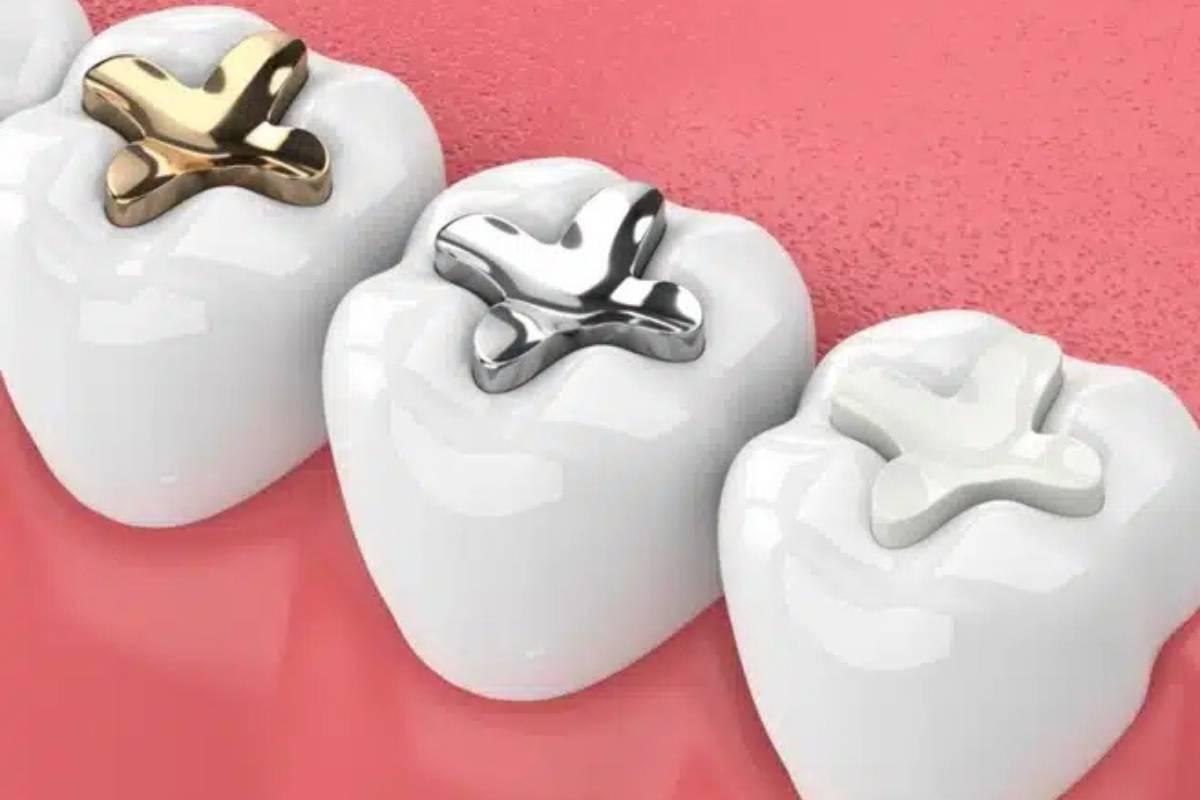
Common Types of Dental Fillings
Modern dentistry offers several filling materials to suit different needs and preferences.
Composite Resin Fillings
Composite fillings are tooth-colored and blend naturally with your smile. They are popular for visible teeth because they provide excellent aesthetics.
Benefits:
-
- Natural appearance
-
- Bonds directly to the tooth
-
- Ideal for front and visible teeth
-
- Mercury-free option
Amalgam Fillings
Amalgam fillings are made from a mixture of metals and have been used for decades.
Benefits:
-
- Highly durable
-
- Cost-effective
-
- Suitable for back molars
Although effective, many patients today prefer tooth-colored alternatives for cosmetic reasons.
Ceramic Fillings
Ceramic or porcelain fillings are stain-resistant and highly aesthetic.
Benefits:
-
- Natural-looking
-
- Long-lasting
-
- Resistant to discoloration
Gold Fillings
Gold fillings are durable and can last many years, though they are less commonly chosen due to cost and appearance.
What Happens During a Dental Filling Procedure?
Getting a dental filling is usually quick and comfortable. The process generally includes:
Step 1: Examination and Diagnosis
Your dentist examines the tooth and may take digital X-rays to determine the extent of decay.
Step 2: Numbing the Area
A local anesthetic is used to ensure a comfortable experience.
Step 3: Removing Decay
The damaged or decayed portion of the tooth is carefully removed.
Step 4: Cleaning the Tooth
The area is cleaned thoroughly to eliminate bacteria and debris.
Step 5: Placing the Filling
The filling material is applied and shaped to restore the tooth.
Step 6: Polishing and Bite Adjustment
Your dentist polishes the filling and checks your bite for comfort.
Most fillings appointments are completed within one visit.
How Long Do Dental Fillings Last?
The lifespan of dental fillings depends on:
-
- The material used
-
- Oral hygiene habits
-
- Diet
-
- Teeth-grinding habits
-
- Regular dental visits
Average lifespan:
-
- Composite fillings: 5–10 years
-
- Amalgam fillings: 10–15 years
-
- Ceramic fillings: 10–15 years or longer
Routine dental checkups help ensure fillings remain in good condition.
Signs You May Need a Dental Filling
You should schedule a dental appointment if you notice the following:
-
- Tooth sensitivity
-
- Sharp pain when biting
-
- Visible holes or pits
-
- Dark spots on teeth
-
- Food frequently gets stuck
-
- Cracked or chipped teeth
-
- Persistent toothache
Early detection can prevent more extensive and costly treatments later.
Can Cavities Heal Without Fillings?
Very early enamel damage may sometimes be reversed with fluoride treatment and excellent oral hygiene. However, once a cavity creates a hole in the tooth, it cannot heal naturally and usually requires a filling.
Delaying treatment often leads to:
-
- Larger cavities
-
- Severe pain
-
- Infections
-
- Root canal therapy
-
- Tooth extraction
How to Prevent the Need for Dental Fillings
While fillings are highly effective, prevention is always best. Here are some ways to reduce your risk of cavities:
Brush Twice Daily
Use fluoride toothpaste and brush for at least two minutes.
Floss Every Day
Flossing removes plaque between teeth where brushing cannot reach.
Limit Sugary Foods and Drinks
Frequent sugar consumption increases cavity risk.
Visit Your Dentist Regularly
Routine cleanings and exams help detect problems early.
Consider Dental Sealants
Sealants protect molars from decay, especially in children.
Drink Plenty of Water
Water helps rinse away bacteria and food particles.
Are Dental Fillings Safe?
Yes, dental fillings are considered safe and effective. Modern materials are designed to restore teeth comfortably and naturally. Your dentist can help determine the best filling material based on your dental needs, budget, and cosmetic preferences.
The Benefits of Early Dental Treatment
Treating cavities early offers many advantages:
-
- Less invasive procedures
-
- Lower treatment costs
-
- Faster recovery
-
- Better long-term oral health
-
- Reduced risk of tooth loss
The sooner a cavity is addressed, the easier the treatment typically becomes.
Restore Your Smile with Professional Dental Fillings
Dental fillings are one of the most reliable and effective ways to protect teeth from further damage while restoring your healthy smile. Whether you have a small cavity, chipped tooth, or worn enamel, timely treatment can help you avoid more serious dental problems in the future.
If you are experiencing tooth pain or sensitivity or suspect a cavity, schedule a dental examination today. A professional dentist can diagnose the issue early and recommend the best filling option to keep your smile strong, healthy, and beautiful.