
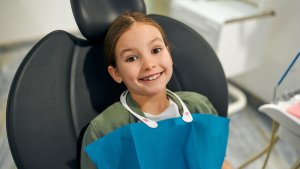
When it comes to your child’s developing smile, timing is everything. Recognizing the early indicators of orthodontic issues allows parents to intervene at a developmental stage when the jaw is still growing and highly responsive to gentle guidance. Early orthodontic evaluation—often recommended around age seven- is not necessarily about rushing into braces; rather, it is about monitoring facial growth, managing space for emerging permanent teeth, and preventing more severe alignment issues from cementing into place. By understanding what to look for, you can safeguard your child’s long-term oral health and ensure their adult teeth erupt into a functional, confident smile.
At Norman Family Dentistry, we are dedicated to partnering with local families to guide children through these critical developmental milestones. Led by Dr. Chris Norman, our practice combines advanced clinical expertise with a gentle, family-centered approach to pediatric oral health. If you have noticed changes in your child’s bite or alignment, we invite you to visit our dental office for a comprehensive evaluation tailored to your child’s unique anatomical needs.
Why Early Orthodontic Evaluation Matters for Growing Smiles
According to the National Institute of Dental and Craniofacial Research (NIDCR), craniofacial and occlusal anomalies are among the most common developmental conditions affecting children in the United States, impacting both oral function and self-esteem. Addressing these skeletal and dental discrepancies early capitalizes on a child’s natural growth spurts, making treatments more efficient and less invasive.
When a proficient clinician evaluates a child’s mouth early, they are looking beyond the surface aesthetics of straight teeth. They are evaluating the relationship between the upper and lower jawbones, the transition from primary to permanent teeth, and the impact of oral habits on structural development. Phase One or interceptive treatment can widen a narrow palate, create room for crowded teeth to erupt naturally, and correct harmful bite patterns before the jawbones fuse in adolescence. Waiting until all the permanent teeth have erupted can limit treatment options, occasionally necessitating more complex procedures, such as tooth extractions or surgical jaw realignment, to achieve the same therapeutic outcome.
Five Clear Signs Your Child Needs an Orthodontic Assessment
Identifying the subtle shifts in a child’s oral structure can be challenging for parents. However, several distinct physical and behavioral signs indicate that a child’s mouth may require professional orthodontic Treatment by a trusted pediatric orthodontist in Ada.
-
- Early, Late, or Irregular Loss of Baby Teeth: Baby teeth serve as natural space maintainers for adult teeth. If a child loses a primary tooth prematurely due to decay or injury, the surrounding teeth can drift into the vacant space, blocking the permanent tooth underneath. Conversely, baby teeth that cling stubbornly past their expected timeline can force adult teeth to erupt out of alignment.
-
- Difficulty Chewing, Biting, or Speaking: If your child frequently bites the inside of their cheek, struggles to efficiently chew crisp apples or local delicacies, or exhibits a persistent speech impediment like a lisp, the culprit may be a misaligned bite. Malocclusions alter the mechanics of the mouth, forcing muscles and joints to overcompensate.
-
- Mouth Breathing and Sleep Discrepancies: Chronic mouth breathing, snoring, or sleeping with an open mouth can alter facial development. This habit often forces the tongue out of its natural resting position against the roof of the mouth, leading to a narrow upper jaw, a recessed lower jaw, and crowded teeth.
-
- Persistent Thumb Sucking or Pacifier Habits: While natural in infancy, non-nutritive thumb sucking habits that persist past the age of three or four exert continuous forward pressure on the front teeth and upper jaw. This can result in an “open bite,” where the front teeth do not meet even when the back teeth are closed together.
-
- Visible Jaw Misalignment or Facial Asymmetry: If your child’s jaw shifts to one side when they close their mouth, or if their facial features appear noticeably unbalanced, it may point to a skeletal discrepancy. A prominent upper jaw (overjet) or an underbite can also increase the risk of accidental trauma to the front teeth during active sports or play.
Decoding Complex Bites: Malocclusions Explained
A malocclusion simply means a “bad bite,” occurring when the upper and lower teeth do not fit together harmoniously. To help visualize these complex structural variations, review the clinical comparison chart below detailing the most common childhood bite discrepancies:
| Bite Type | Visual Presentation | Long-Term Functional Impact |
| Overbite (Deep Bite) | The upper front teeth overlap the lower front teeth excessively, sometimes hiding them completely. | Can cause lower teeth to bite into the roof of the mouth and accelerate enamel wear on the lower incisors. |
| Underbite | The lower jaw protrudes forward, causing the lower front teeth to sit ahead of the upper front teeth. | Puts excessive strain on the jaw joints (TMJ); leads to uneven tooth wear and facial asymmetry. |
| Crossbite | One or more upper teeth bite inside the lower teeth, affecting either the front or the sides of the mouth. | Causes the child to shift the jaw sideways to chew; triggers asymmetric jaw growth and chronic joint pain. |
| Open Bite | A distinct gap remains between the upper and lower front teeth when the back molars are fully biting together. | Compromises speech clarity (lisps); makes it highly difficult to bite into foods like sandwiches or fruit cleanly. |
The Local Connection: Growing Up Healthy in Our Community
Living in a vibrant, active community means our children are constantly on the move, whether they are playing youth sports, exploring local parks, or enjoying seasonal treats. For parents raising active kids, structural alignment plays a surprising role in protecting their health during everyday activities. For instance, families spending their Saturdays cycling along the scenic Covered Bridge or enjoying a family meal near the historic downtown hub want to know their children are growing safely.
If a child possesses protruding front teeth due to an uncorrected overjet, those teeth act as a primary point of impact during playground falls or sports activities. Furthermore, navigating a busy schedule of school, sports, and weekend treats means your child needs a functional bite to properly digest nutritious meals. If a misaligned bite makes it difficult to chew crunchy vegetables or wholesome grains comfortably, it can subtly impact dietary habits and overall wellness. Partnering with a dedicated professional ensures that your child’s skeletal and dental development is carefully monitored right here in your backyard, eliminating the stress of long commutes. Choosing a specialized pediatric orthodontist in Ada allows you to seamlessly integrate routine wellness evaluations into your family’s lifestyle, protecting your child’s developing smile while keeping them fully engaged in the local community activities they love.
Advanced Diagnostics: What Happens During an Orthodontic Visit?
A professional orthodontic consultation utilizes specialized diagnostic tools that look far deeper than a standard visual inspection. During your visit, advanced digital imaging and low-radiation panoramic X-rays are utilized to evaluate the precise positioning of teeth still hidden beneath the gumline.
These images allow a trusted pediatric orthodontist in Ada to see if permanent teeth are forming in the correct positions, if any are congenitally missing, or if extra teeth are blocking the normal path of eruption. Computerized dental models may also be created to analyze the exact spacing and width of the dental arches. By combining these high-resolution diagnostics with a thorough clinical examination of the temporomandibular joints (TMJ) and facial muscles, an accurate developmental roadmap can be established. This scientific precision ensures that treatment is only initiated at the exact moment it will yield the maximum therapeutic benefit for your child’s growing anatomy.
Schedule an Orthodontic Assessment for Your Child
Protecting your child’s long-term oral health begins with timely, proactive care. Recognizing the early indicators of jaw misalignment or crowded teeth today can spare your child from complex dental challenges in the future. To discover the ideal developmental path for your child’s smile, book an appointment for a personalized diagnostic evaluation at our practice today.
Frequently Asked Questions
The American Association of Orthodontists recommends children receive their first evaluation by age seven. At this stage, the first permanent molars have emerged, allowing a practitioner to assess structural jaw relationships.
Yes, early interceptive treatment frequently takes place while baby teeth are still present. This early phase focuses on guiding jaw growth and creating space for incoming permanent teeth.
Some minor crowding is normal as adult teeth emerge, but severe overlapping or teeth erupting behind one another requires evaluation. A professional exam can determine if the jaw arch is too narrow.
Phase One interceptive treatment generally lasts between 9 and 12 months, depending on the child’s specific structural needs. After this phase, a retainer is worn while the remaining permanent teeth erupt.