

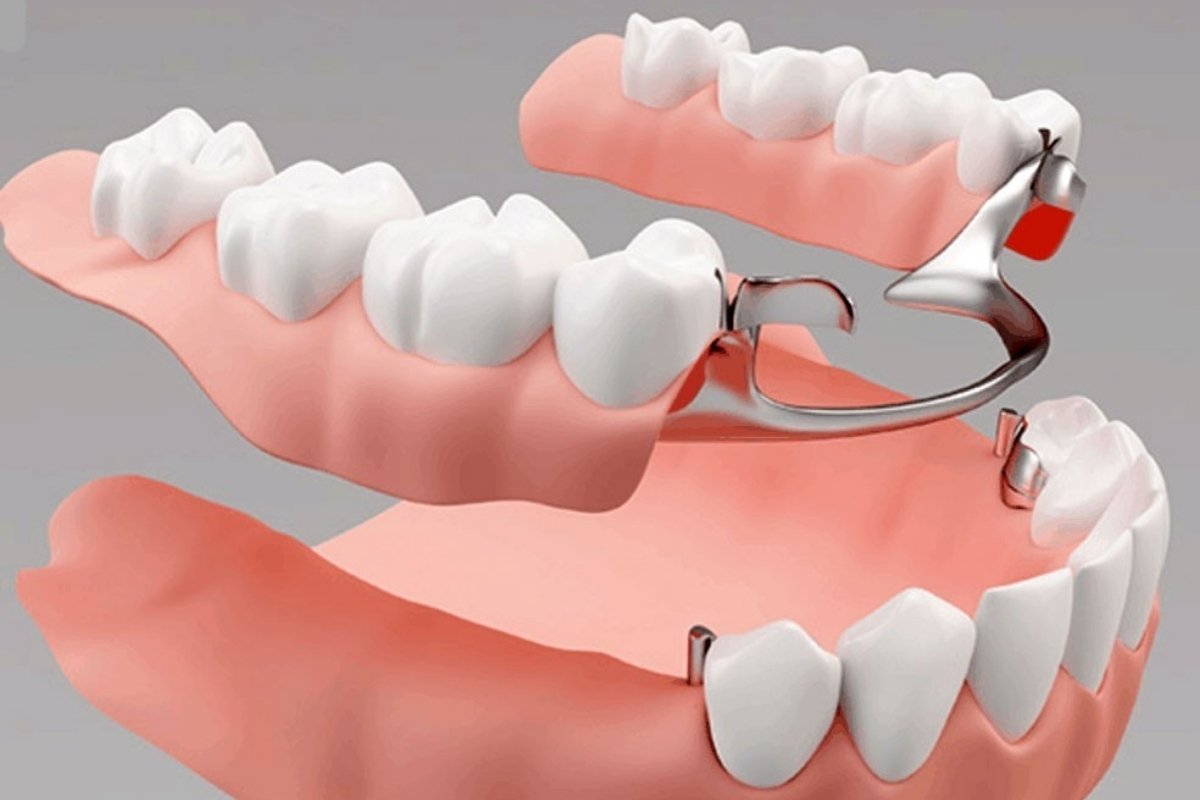
Losing your natural teeth can feel overwhelming, both physically and emotionally. Fortunately, modern dentistry offers solutions that can restore both function and confidence. One of the most common and effective options for replacing missing teeth is complete dentures.
In this blog, we’ll walk you through what complete dentures are, their benefits, how to care for them, and what to expect during the transition. Whether you’re considering dentures for yourself or a loved one, this guide will help you make an informed decision.
What Are Complete Dentures?
Complete dentures (also known as full dentures) are removable prosthetic devices designed to replace all missing teeth in either the upper (maxillary) or lower (mandibular) arch—or both. They sit on the gums and are custom-made to fit comfortably and function like natural teeth.
Complete dentures are typically made from acrylic resin, though some may include a metal base for added strength. They are created after any remaining teeth are removed and the gum tissue has healed, which may take several weeks to months.
Types of Complete Dentures
There are two main types of complete dentures:
-
- Conventional Dentures
These are made and placed in the mouth after the remaining teeth are removed and the tissues have healed.
- Conventional Dentures
-
- Immediate Dentures
These are inserted immediately after tooth extraction. While convenient, they may require adjustments as the mouth heals and the gums shrink.
- Immediate Dentures
Benefits of Complete Dentures
Complete dentures offer a range of benefits, including:
Restored Functionality
Dentures enable you to chew and speak more effectively, improving your quality of life.
Aesthetic Improvement
They restore facial structure and support lips and cheeks, helping you regain a natural-looking smile and youthful appearance.
Boosted Confidence
Replacing missing teeth can enhance self-esteem and reduce social discomfort.
Affordable Tooth Replacement
Compared to dental implants or bridges, dentures are often a more budget-friendly solution.
Custom Fit
Modern dentures are designed for maximum comfort and functionality, tailored to fit your mouth precisely.
How to Care for Complete Dentures
Proper denture care is essential for comfort, oral hygiene, and long-term use. Here are some important tips:
1. Daily Cleaning
Remove and rinse dentures after eating. Clean them daily using a soft-bristled brush and denture cleanser—never regular toothpaste, which can be too abrasive.
2. Soak Overnight
Dentures should be soaked in water or a mild denture solution overnight to keep them moist and retain their shape.
3. Handle with Care
Dentures are delicate and can break if dropped. Always handle them over a folded towel or basin of water.
4. Maintain Oral Hygiene
Even without natural teeth, it’s important to brush your gums, tongue, and palate to remove bacteria and stimulate circulation.
5. Regular Dental Visits
Schedule routine checkups to ensure your dentures fit properly and your oral tissues remain healthy.
What to Expect When Getting Dentures
The Adjustment Period
It’s normal to feel some discomfort or awkwardness during the first few weeks. Your mouth and muscles need time to adapt. You may also experience:
-
- Difficulty speaking clearly (practice helps!)
-
- Increased saliva flow
-
- Minor soreness or irritation
These symptoms typically subside as you adjust.
Fitting and Follow-Ups
Your dentist may make adjustments to improve fit and comfort. It’s crucial to attend all follow-up appointments during this phase.
Eating with Dentures
Start with soft foods and gradually introduce harder items as you become more comfortable. Avoid sticky or extremely hard foods initially.
When to Replace Dentures
With proper care, complete dentures typically last 5 to 7 years. Over time, changes in the jawbone and gum tissue may cause them to loosen. Signs that it may be time for a replacement include:
-
- Frequent slippage or discomfort
-
- Difficulty chewing or speaking
-
- Noticeable wear or damage
Regular checkups will help your dentist assess when a new set is needed.
Complete dentures are a proven, practical solution for restoring your smile and oral function after tooth loss. While the initial adjustment may take time, the long-term benefits are substantial. With proper care and regular dental visits, dentures can help you enjoy a comfortable, confident life.
If you’re considering complete dentures or have questions about your current set, speak with your dentist. Personalized guidance can make all the difference in ensuring the best fit and outcome for your unique needs.