

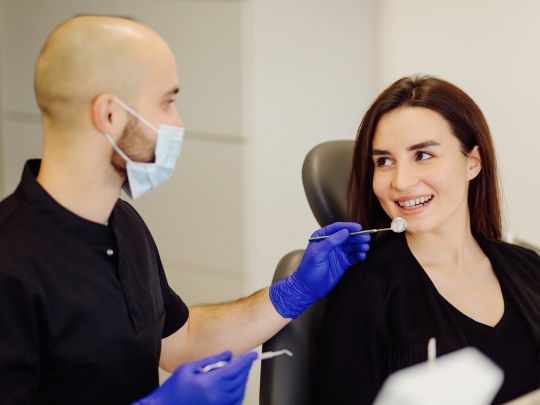
Tetracycline stains, often caused by the use of certain antibiotics during tooth development, can be a source of frustration for individuals seeking a brighter, stain-free smile. While these stains are notorious for being resistant to traditional teeth-whitening methods, advancements in cosmetic dentistry offer effective solutions to restore the natural beauty of your teeth. In this blog, we will explore how cosmetic dentistry can successfully remove tetracycline stains and give you the confident, radiant smile you desire.
Understanding Tetracycline Stains:
Tetracycline stains are intrinsic, meaning they originate from within the tooth enamel during tooth development. They typically present as dark bands or splotches on the teeth, ranging from yellow to brown or gray. Conventional teeth-whitening procedures often fall short in addressing these deep-set stains.
Cosmetic Dentistry Solutions:
1. Porcelain Veneers:
Porcelain veneers are thin, custom-made shells that cover the front surface of teeth. They are a popular choice for addressing tetracycline stains as they effectively conceal discoloration, providing a natural-looking and long-lasting solution.
2. Lumineers:
Lumineers are ultra-thin porcelain veneers that require minimal tooth preparation. They are a conservative option for covering tetracycline stains without altering the natural tooth structure significantly.
3. Dental Bonding:
Dental bonding involves applying a tooth-colored resin to the affected teeth, which is then sculpted and polished to match the surrounding teeth. While it is more affordable than veneers, bonding may require more maintenance over time.
4. Crowns:
Dental crowns, or caps, cover the entire tooth surface and are a viable option for more severe tetracycline stains. Crowns not only conceal discoloration but also strengthen and protect the underlying tooth.
5. Teeth Whitening with Supervised Treatment:
In some cases, professional teeth whitening treatments supervised by a cosmetic dentist can be effective in reducing the appearance of tetracycline stains. However, the success of this approach depends on the severity of the stains and the patient’s individual response to whitening agents.
6. Combination Approaches:
Cosmetic dentists may recommend a combination of treatments to achieve the best results. This could involve a combination of veneers, bonding, or crowns to address different aspects of tetracycline stains.
The Treatment Process:
-
- Consultation:
Schedule a consultation with a cosmetic dentist specializing in addressing tetracycline stains. During this visit, the dentist will assess the extent of the stains, discuss your goals, and recommend the most suitable treatment options.
- Consultation:
-
- Treatment Planning:
Based on the assessment, the dentist will create a personalized treatment plan outlining the recommended procedures, timeline, and associated costs. This plan allows you to make informed decisions about your treatment.
- Treatment Planning:
-
- Preparation:
Depending on the chosen cosmetic dentistry procedure, the dentist will prepare the teeth. This may involve minimal enamel removal for veneers or crowns, or conditioning the tooth surface for bonding.
- Preparation:
-
- Impressions and Customization:
For procedures like veneers and crowns, impressions will be taken to ensure a precise fit. The dental laboratory then customizes these restorations to match the color, shape, and size of your natural teeth.
- Impressions and Customization:
-
- Placement:
Once the custom restorations are ready, the dentist will bond or place them onto your teeth, ensuring proper alignment and aesthetics. Any necessary adjustments will be made to achieve an ideal fit.
- Placement:
-
- Follow-up:
Post-treatment, regular follow-up appointments may be scheduled to monitor the success of the procedure and address any concerns or adjustments needed.
- Follow-up:
Advantages of Cosmetic Dentistry for Tetracycline Stains:
-
- Aesthetic Improvement: Cosmetic dentistry provides a natural-looking improvement in tooth color, shape, and alignment.
-
- Long-lasting Results: Procedures like veneers and crowns offer durable, stain-resistant solutions with proper care.
-
- Conservative Options: Some treatments, like Lumineers, require minimal tooth preparation, preserving the natural tooth structure.
-
- Boosted Confidence: Achieving a brighter, more vibrant smile can significantly enhance confidence and self-esteem.
Conclusion:
Cosmetic dentistry offers effective solutions for individuals seeking to remove tetracycline stains and regain a bright, beautiful smile. Through personalized treatment plans and advancements in dental technology, cosmetic dentists can tailor solutions to address the unique needs of each patient. If tetracycline stains have been a source of frustration, consult with a cosmetic dentist to explore the transformative possibilities that modern dentistry can provide.