

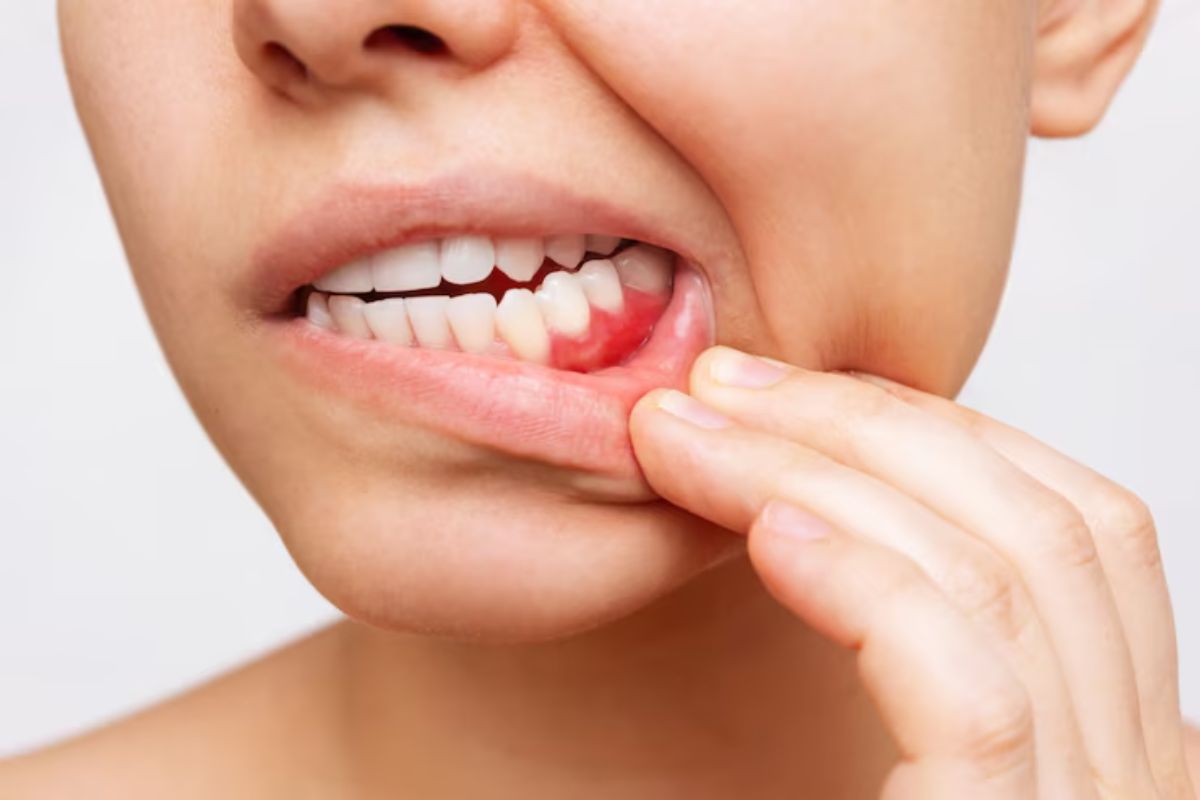
Periodontal disease, commonly known as gum disease, is a serious condition that affects the gums and supporting structures of the teeth. It can lead to tooth loss and other health complications if left untreated. While systemic factors like diabetes and smoking play a role, local risk factors significantly contribute to the onset and progression of periodontal disease. Understanding these factors and the recovery process can help you maintain optimal oral health.
Local Risk Factors for Periodontal Disease
- Poor Oral Hygiene
- Inadequate brushing and flossing allow plaque to accumulate on teeth, leading to tartar buildup and gum inflammation. Plaque is the primary cause of periodontal disease.
- Dental Calculus (Tartar)
- When plaque hardens into tartar, it becomes difficult to remove without professional cleaning. Tartar harbors bacteria that irritate the gums and exacerbate inflammation.
- Misaligned Teeth
- Crooked or crowded teeth create hard-to-reach areas where plaque and food debris can accumulate, increasing the risk of gum disease.
- Faulty Dental Restorations
- Ill-fitting crowns, bridges, or fillings can create spaces where plaque collects, making it challenging to maintain good oral hygiene.
- Gum Recession
- Receding gums expose tooth roots, making them more vulnerable to bacterial infection and increasing the likelihood of periodontal pockets forming.
- Bruxism (Teeth Grinding)
- Chronic grinding or clenching of teeth puts excessive pressure on the supporting structures, contributing to gum and bone damage.
- Mouth Breathing
- Breathing through the mouth can dry out the gums, reducing saliva’s protective effects and making gums more susceptible to infection.
- Food Impaction
- Food particles trapped between teeth can promote bacterial growth, leading to localized gum inflammation and periodontal disease.
- Tobacco Use
- Local effects of tobacco use, such as reduced blood flow to the gums, impair the healing process and exacerbate gum disease.
- Orthodontic Appliances
- Braces and retainers can make cleaning teeth more challenging, increasing the risk of plaque buildup and gum issues if proper care isn’t taken.
Recovery from Periodontal Disease
Recovery from periodontal disease requires a combination of professional care, diligent home hygiene practices, and addressing local risk factors. Here’s what you need to know:
Professional Treatments
- Scaling and Root Planing
- A deep cleaning procedure that removes tartar and plaque from below the gumline and smooths root surfaces to discourage bacterial growth.
- Periodontal Surgery
- Advanced cases may require surgical interventions, such as flap surgery, to access and clean deep pockets or regenerate lost bone and tissue.
- Antibiotic Therapy
- Topical or systemic antibiotics may be prescribed to control bacterial infections and support healing.
- Regular Dental Cleanings
- Ongoing maintenance cleanings are crucial to prevent recurrence and keep gums healthy.
At-Home Care
- Daily Brushing and Flossing
- Use a soft-bristled toothbrush and fluoride toothpaste to clean teeth and gums thoroughly twice a day. Floss daily to remove debris between teeth.
- Antimicrobial Mouthwash
- Rinsing with an antimicrobial mouthwash can reduce bacterial levels and promote gum health.
- Dietary Changes
- Limit sugary and acidic foods that feed harmful bacteria. Include nutrient-rich foods that support gum health, such as leafy greens and dairy products.
- Manage Risk Factors
- Address issues like teeth grinding, tobacco use, and faulty restorations to reduce ongoing stress on gums.
Lifestyle Adjustments
- Quit Smoking
- Quitting tobacco use significantly improves gum health and accelerates recovery.
- Stress Management
- High-stress levels can impact immune function, making it harder for the body to fight infections. Practice stress-reducing techniques like meditation or exercise.
- Stay Hydrated
- Drinking water helps flush away food particles and bacteria while keeping the mouth moist.
Local risk factors play a pivotal role in the development and progression of periodontal disease. By identifying and addressing these factors along with following a tailored treatment and recovery plan, you can restore and maintain healthy gums. Regular visits to your dentist near you, good oral hygiene, and a commitment to managing risk factors are essential for a successful recovery and long-term oral health.