
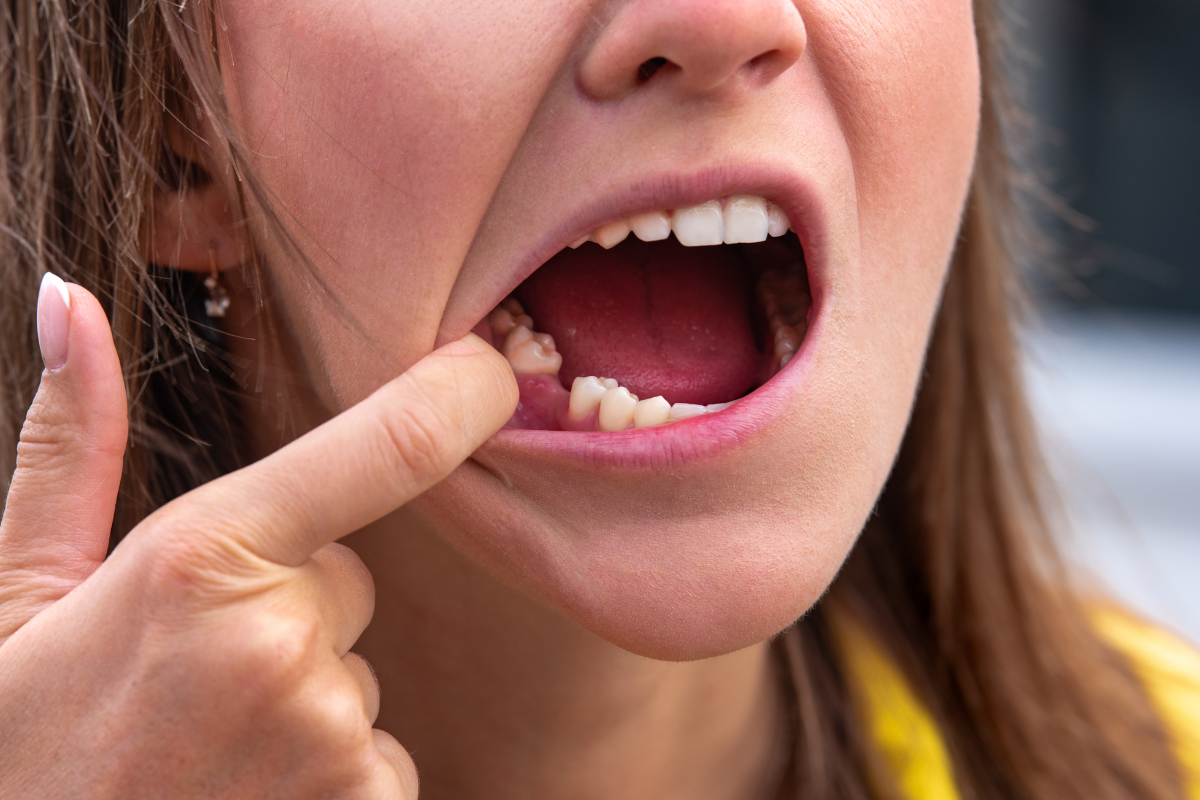
Losing a tooth can be a traumatic experience—whether it’s due to injury, decay, or gum disease. But beyond the impact on your appearance and ability to chew, tooth loss has another serious consequence that many people overlook: bone loss in the jaw. Without the stimulation that natural teeth provide, your jawbone can begin to deteriorate over time. Fortunately, dental implants offer a highly effective solution—not only for replacing missing teeth but also for preserving jaw health and preventing further bone deterioration.
In this blog, we’ll explain how tooth loss leads to bone loss, why this matters, and how dental implants play a vital role in maintaining both your smile and your oral health.
The Connection Between Tooth Loss and Bone Loss
Your teeth do more than help you chew—they also stimulate your jawbone. Every time you bite or chew, the pressure from your teeth sends signals to the bone beneath, triggering a natural process called bone remodeling. This stimulation keeps your jawbone dense, strong, and functional.
What Happens When You Lose a Tooth?
When a tooth is lost and not replaced, the bone that once supported it no longer receives stimulation. As a result, the body begins to resorb (or break down) the unused bone, causing it to shrink in height and width. This process begins quickly—within the first six months of tooth loss—and can result in up to 25% bone loss in the area within the first year.
The Consequences of Jawbone Loss
Bone loss in the jaw doesn’t just affect the immediate area where a tooth was lost—it can have broader consequences for your oral and facial health. These include:
1. Facial Sagging and Premature Aging
As the jawbone shrinks, it can alter the shape of your face. Your cheeks may sink in, and your facial profile may collapse slightly, making you appear older than you are.
2. Shifting Teeth
Missing teeth and bone loss can cause neighboring teeth to drift out of place, affecting your bite alignment and leading to additional dental problems.
3. Difficulty Eating and Speaking
Over time, bone loss may affect your ability to chew properly or speak clearly, especially if multiple teeth are missing.
4. Ineligibility for Traditional Tooth Replacement
Bone loss can make it difficult to wear dentures comfortably or to qualify for certain types of dental implant placement without additional bone grafting procedures.
Why Dental Implants Are the Best Solution
Unlike traditional bridges or dentures, dental implants replace not only the visible part of a missing tooth (the crown) but also the tooth root, which is essential for jawbone health.
What Is a Dental Implant?
A dental implant is a small, biocompatible titanium post that is surgically placed into the jawbone where a tooth is missing. This post fuses with the bone in a process called osseointegration, creating a stable and permanent foundation for a crown, bridge, or denture.
How Dental Implants Prevent Bone Loss
Dental implants stimulate the jawbone in the same way natural tooth roots do. When you chew, the implant transfers pressure to the surrounding bone, encouraging new bone growth and preventing resorption. This stimulation helps preserve your jaw’s structure, maintain your facial shape, and protect the health of surrounding teeth.
Additional Benefits of Dental Implants
Beyond bone preservation, dental implants offer numerous advantages:
1. Natural Look and Feel
Implants are designed to look, feel, and function just like natural teeth, making them the most lifelike option for tooth replacement.
2. Long-Term Durability
With proper care, dental implants can last 20 years or more, often for a lifetime.
3. Improved Speech and Eating
Unlike loose-fitting dentures, implants stay firmly in place, allowing you to speak clearly and enjoy your favorite foods without worry.
4. No Impact on Surrounding Teeth
Traditional dental bridges require grinding down adjacent healthy teeth for support. Implants do not rely on neighboring teeth, preserving their natural structure.
5. Enhanced Oral Health
By filling the gap left by a missing tooth and supporting the jawbone, implants help maintain the alignment and health of the entire mouth.
When Is the Best Time to Get Dental Implants?
The sooner you replace a missing tooth with a dental implant, the better the outcome for your bone health. Early placement helps minimize bone loss and reduces the need for additional procedures like bone grafting.
However, even if you’ve already experienced bone loss, you may still be a candidate for implants. A consultation with your dentist or oral surgeon can determine whether bone grafting or other techniques can prepare your jaw for successful implant placement.
Are You a Good Candidate for Dental Implants?
Most healthy adults with missing teeth can qualify for dental implants, especially if they:
-
- Have sufficient bone density (or are willing to undergo bone grafting)
-
- Maintain good oral hygiene
-
- Do not smoke or are willing to quit
-
- Do not have uncontrolled chronic health conditions (like diabetes or heart disease)
Your dentist will conduct a thorough examination, including digital imaging and health screening, to determine if dental implants are right for you.
How to Care for Dental Implants
Caring for dental implants is similar to caring for natural teeth:
-
- Brush twice a day with a soft-bristled toothbrush
-
- Floss daily, including around the implant crown
-
- Use an antimicrobial mouthwash if recommended
-
- Visit your dentist regularly for cleanings and checkups
-
- Avoid smoking and excessive alcohol, as they can hinder healing and bone integration
With proper care, implants not only preserve bone but also provide a long-lasting, reliable tooth replacement solution.
Tooth loss doesn’t just affect your smile—it puts your jawbone and long-term oral health at risk. Dental implants are the only tooth replacement option that helps preserve bone and restore natural function and appearance. If you’re missing one or more teeth, don’t wait. Protect your smile and jaw health with a permanent solution. Book an appointment now to find out if dental implants are right for you.