

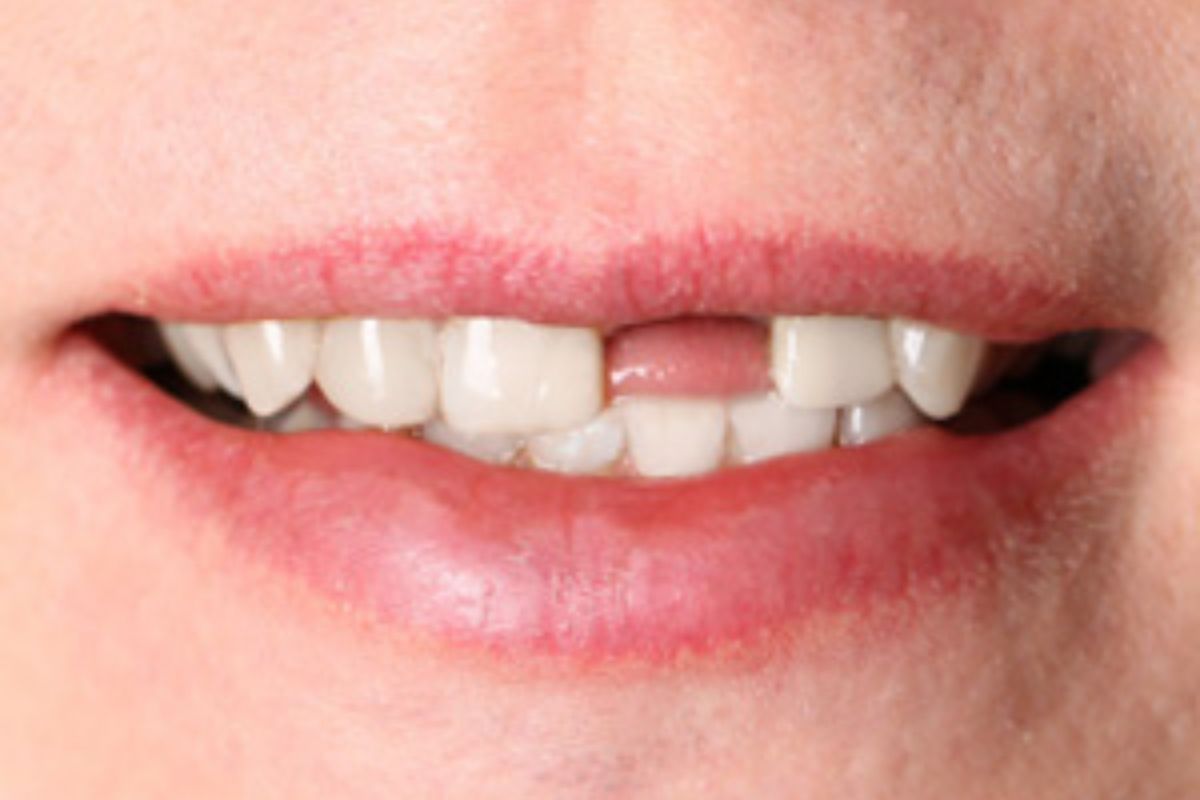
Losing a tooth can be a challenging experience, not only affecting your smile but also impacting your ability to eat, speak, and maintain oral health. Fortunately, modern dentistry offers several tooth replacement solutions to restore function, aesthetics, and confidence. At Norman Family Dentistry in Ada, MI, our experienced team helps patients explore personalized options that best fit their needs, lifestyle, and budget. In this article, we’ll explore six common tooth replacement options your dentist may recommend.
1. Dental Implants
Dental implants are widely considered the gold standard for replacing missing teeth. They involve surgically placing a small titanium post into the jawbone, which acts as a replacement root. A custom crown is then attached to the post, providing a durable, natural-looking tooth.
Benefits of dental implants:
-
- Long-lasting and highly durable
-
- Preserve jawbone density and prevent bone loss
-
- Function and feel like natural teeth
-
- Do not affect the surrounding teeth
Ideal candidates: Dental implants are suitable for patients with healthy gums and adequate jawbone density. Even those with some bone loss may qualify through bone grafting procedures.
2. All-on-4® Implants
For patients who need to replace an entire arch of teeth, All-on-4® dental implants are a revolutionary option. Using just four strategically placed implants, this system supports a full set of prosthetic teeth, providing stability and natural appearance without the need for individual implants for every tooth.
Benefits of All-on-4® implants:
-
- Fewer implants are required compared to traditional methods
-
- Can often be placed in a single day
-
- Secure, comfortable, and natural-looking smile
-
- Reduces the risk of bone deterioration
Ideal candidates: Individuals with multiple missing teeth or severe tooth decay who want a long-term, fixed solution.
3. Fixed Bridges
A fixed dental bridge replaces one or more missing teeth by anchoring artificial teeth to adjacent natural teeth or dental implants. Bridges are custom-made to match your smile and are permanently cemented in place.
Benefits of fixed bridges:
-
- Restores your smile and chewing function
-
- Prevents remaining teeth from shifting
-
- Durable and stable
-
- Quick and relatively non-invasive
Ideal candidates: Patients with healthy teeth adjacent to the missing tooth who want a reliable, fixed solution without surgery.
4. Removable Partial Dentures
Removable partial dentures are custom-designed appliances that replace one or more missing teeth. They typically consist of replacement teeth attached to a gum-colored base, secured with metal or acrylic clasps.
Benefits of removable partial dentures:
-
- More affordable than implants or bridges
-
- Non-invasive and easy to adjust
-
- Helps restore basic chewing and speech
-
- Can be removed for cleaning
Ideal candidates: Individuals missing several teeth but not all, or those who prefer a less invasive and cost-effective option.
5. Complete Dentures
When all natural teeth are missing in the upper or lower jaw, complete dentures are a practical solution. Modern dentures are designed to fit comfortably and mimic the look of natural teeth, helping patients regain confidence in their smile and oral function.
Benefits of complete dentures:
-
- Restores the full function of your teeth
-
- Improves speech and chewing ability
-
- Supports facial structure and prevents sagging
-
- Cost-effective full-mouth solution
Ideal candidates: Patients who have lost all teeth in an arch or are planning a full-mouth extraction with replacement.
6. Implant-Supported Dentures
Implant-supported dentures combine the stability of dental implants with the affordability of dentures. Instead of resting on the gums, these dentures snap onto implants embedded in the jawbone, offering a secure fit and improved function.
Benefits of implant-supported dentures:
-
- More stable than traditional dentures
-
- Prevents slipping and irritation
-
- Preserves jawbone and facial structure
-
- Easier to eat and speak naturally
Ideal candidates: Patients who need dentures but want improved stability and comfort over traditional removable options.
Choosing the Right Tooth Replacement Option
Selecting the best tooth replacement solution depends on several factors, including oral health, jawbone density, lifestyle, budget, and personal preference. During your consultation at Norman Family Dentistry, our dentists perform a comprehensive evaluation to recommend the most suitable option.
Key considerations include the following:
-
- Number of missing teeth
-
- Health of surrounding teeth and gums
-
- Bone structure and density
-
- Desired aesthetics and function
-
- Financial considerations and insurance coverage
Our team also discusses maintenance, long-term care, and expected lifespan for each option, helping patients make informed decisions with confidence.
Maintaining Your Tooth Replacement
No matter which tooth replacement solution you choose, proper care is essential for longevity and oral health. Here are some tips:
-
- Brush and floss daily to prevent plaque buildup
-
- Visit your dentist regularly for checkups and professional cleanings
-
- Avoid chewing excessively hard foods on implants or bridges
-
- Use a nightguard if you grind your teeth
-
- Follow any specific care instructions for dentures or partials
By adhering to these guidelines, you can enjoy your restored smile for years to come.
Restoring your smile can significantly improve your confidence, oral health, and overall quality of life. At Norman Family Dentistry, we are committed to providing personalized, high-quality tooth replacement solutions tailored to your unique needs. Book your appointment today at the location 519 Ada Dr SE, Suite A, Ada, MI 49301.
FAQs
Q1: How long does it take to get a dental implant?
Dental implant treatment can vary depending on your oral health. Typically, the process involves placing the implant, allowing the jawbone to heal (3–6 months), and then attaching the crown. All-on-4® implants may offer a faster, same-day option.
Q2: Are dentures comfortable to wear?
Modern dentures are designed for comfort and functionality. While initial adjustment may be necessary, our team ensures a precise fit and offers tips to minimize soreness and irritation.
Q3: Which tooth replacement option is the most durable?
Dental implants are the most durable solution, often lasting 15–25 years or longer with proper care. Fixed bridges and implant-supported dentures also provide long-lasting results, while removable dentures may need replacement every 5–10 years.