
Losing teeth can affect more than just your ability to chew—it can impact your appearance, speech, and self-confidence. Fortunately, modern dentistry offers custom dentures that are designed to fit comfortably, look natural, and restore your smile’s function. But with several denture options available, it’s important to understand the differences so you can choose the one that best meets your needs.
In this guide, we’ll explore the most common types of custom dentures, their benefits, and who they’re best suited for.
1. Full Dentures
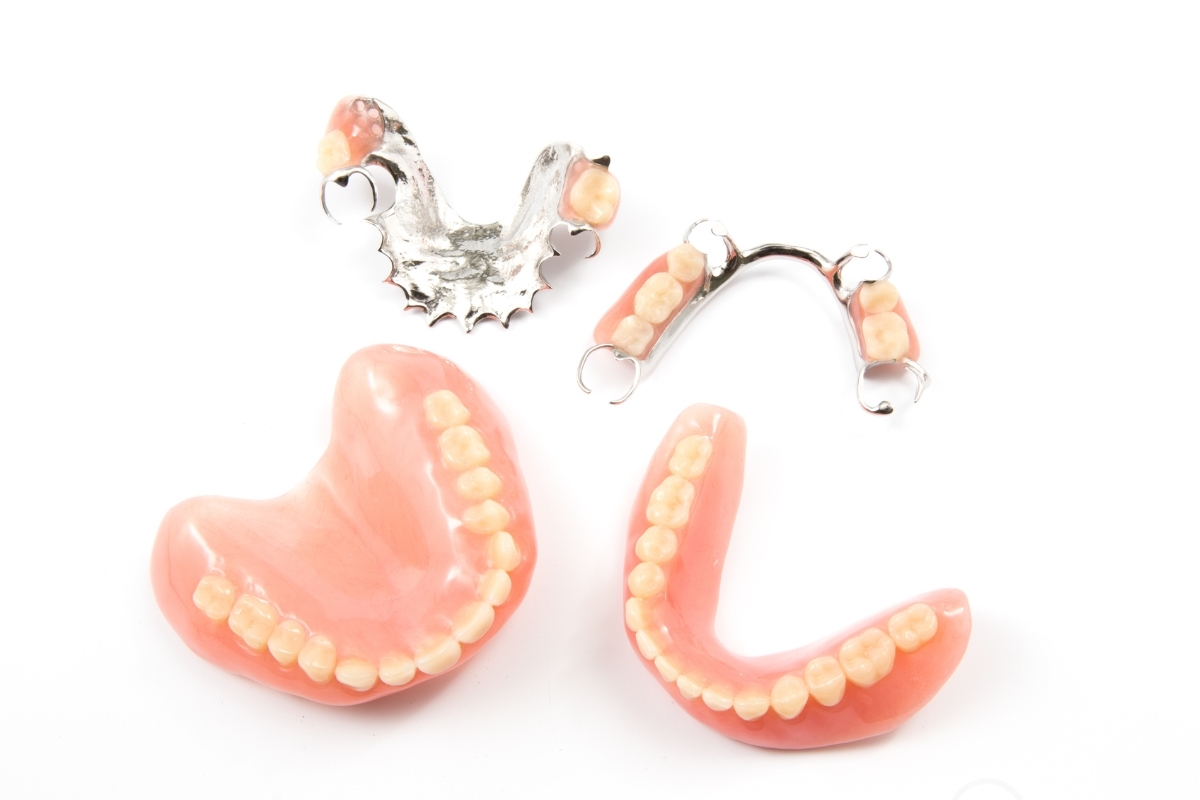
Full dentures, also known as complete dentures, are designed for patients who have lost all their natural teeth in the upper or lower jaw—or both. These dentures rest directly on your gums and are custom-made to match the shape of your mouth for a secure and comfortable fit.
Advantages of full dentures:
-
- Completely restore your smile’s appearance
-
- Help support facial muscles to prevent a sunken look
-
- Allow you to eat and speak more comfortably
Full dentures can be removed for cleaning, making them relatively easy to maintain. Your dentist will ensure that they’re crafted to look natural and complement your facial features.
2. Partial Dentures
Partial dentures are an excellent choice if you still have some healthy natural teeth remaining. These dentures fill in the gaps created by missing teeth and are anchored to your existing teeth with clasps or precision attachments.
Benefits of partial dentures:
-
- Prevent remaining teeth from shifting out of place
-
- Provide a cost-effective solution compared to multiple dental implants or bridges
-
- Maintain a natural appearance while improving chewing function
Partial dentures are custom-designed to blend seamlessly with your natural teeth, giving you a complete and confident smile.
3. Implant-Supported Dentures
Implant-supported dentures combine the stability of dental implants with the convenience of removable or fixed dentures. Small titanium posts are surgically placed into the jawbone, and the denture attaches securely to these implants.
Key advantages:
-
- Superior stability—no slipping or movement while speaking or eating
-
- Better chewing efficiency compared to traditional dentures
-
- Helps preserve jawbone density by stimulating the bone like natural teeth
Implant-supported dentures may require a longer treatment process, but the results are more secure, comfortable, and long-lasting.
4. Immediate Dentures
Immediate dentures are placed in your mouth the same day your remaining teeth are extracted. This means you won’t have to go without teeth while your gums heal.
Benefits of immediate dentures:
-
- Maintain your smile and ability to chew right after tooth extraction
-
- Protect your gums during the healing process
-
- Help you transition to wearing dentures without a period of adjustment to being toothless
It’s important to note that immediate dentures will need adjustments or a replacement after your gums fully heal, as the shape of your mouth changes during recovery.
5. Overdentures
Overdentures are similar to traditional dentures but are designed to fit over a small number of remaining natural teeth or dental implants. This added support improves stability and comfort.
Advantages of overdentures:
-
- Better retention compared to conventional dentures
-
- Helps maintain jawbone health
-
- Reduces the risk of denture movement while eating or speaking
Overdentures are a great choice for patients who still have a few healthy teeth or want extra stability with fewer implants than a full implant-supported denture.
Choosing the Best Denture for Your Needs
The right type of denture depends on several factors, including:
-
- The number of teeth you’ve lost
-
- Your overall oral health and jawbone density
-
- Your budget and treatment preferences
-
- How quickly you need your dentures
Your dentist will evaluate your mouth, discuss your goals, and recommend the best option based on your unique situation. While full dentures may work best for some patients, others may benefit from the stability of implants or the convenience of immediate dentures.
Caring for Your Custom Dentures
No matter which type of denture you choose, proper care is essential for keeping them in good condition and protecting your oral health. This includes:
-
- Cleaning your dentures daily with a denture brush and mild cleaner
-
- Soaking them overnight in a denture solution to keep them fresh
-
- Brushing your gums, tongue, and any remaining teeth to prevent bacteria buildup
-
- Visiting your dentist regularly for adjustments and checkups
With the right care, custom dentures can last for many years while keeping your smile bright and functional.
If you’re considering custom dentures, professional guidance is the key to finding the perfect fit and style for your smile. Our experienced dental team will walk you through your options, answer your questions, and design dentures that match your needs and lifestyle. Visit us at 519 Ada Dr SE, Suite A, Ada, MI 49301 for a personalized consultation. Book an appointment now and take the first step toward restoring your smile with comfort and confidence.