

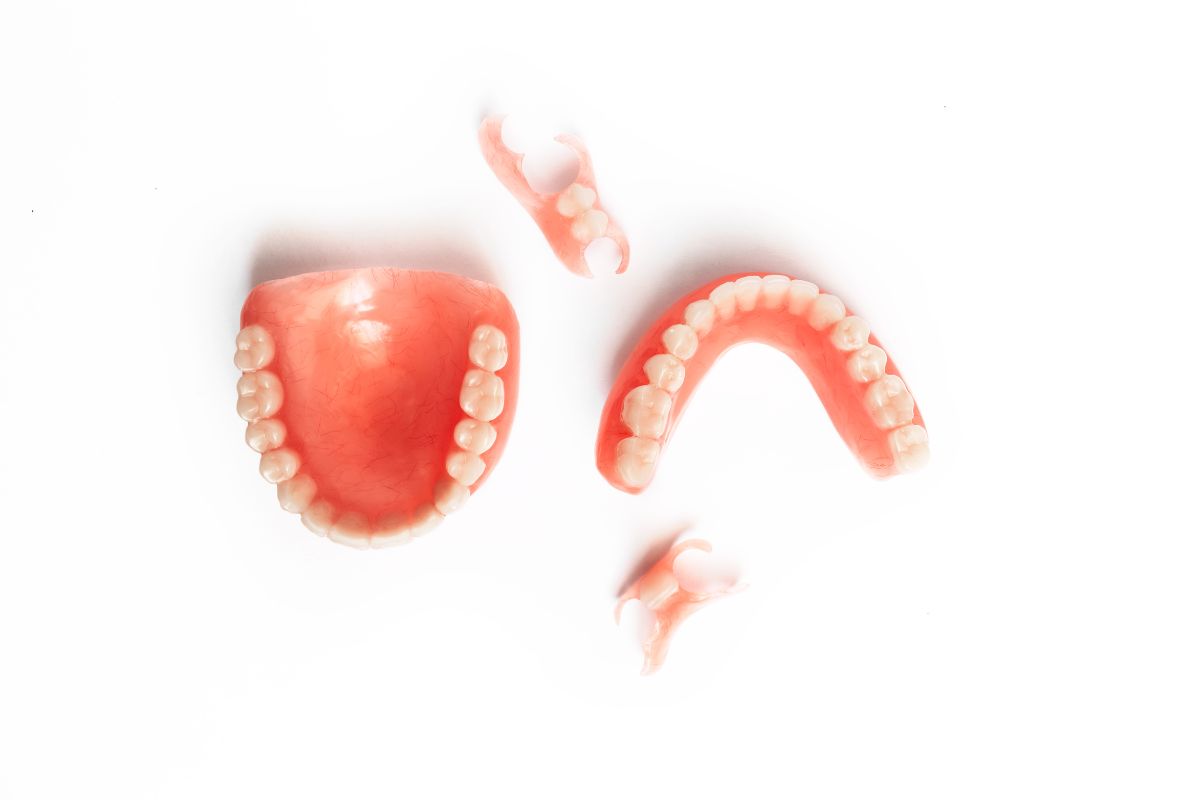
Dentures are a common and effective solution for replacing missing teeth and restoring function and aesthetics to your smile. Whether you have lost teeth due to decay, gum disease, or an accident, dentures can help improve your ability to chew, speak, and smile confidently. There are several types of removable dentures, each catering to different needs and preferences. In this blog, we will explore the three primary types: full dentures, partial dentures, and implant-supported dentures.
1. Full Dentures
Full dentures, also known as complete dentures, are designed for individuals who have lost all their teeth in either the upper or lower jaw (or both). These dentures rest directly on the gums and are custom-made to fit comfortably within the mouth.
Types of Full Dentures
-
- Conventional Full Dentures: These are crafted after the gum tissues have fully healed from extractions, which typically takes several weeks to months. They provide a precise fit and improved comfort over time.
-
- Immediate Full Dentures: Placed immediately after tooth extraction, these dentures allow patients to have teeth without waiting for healing. However, adjustments may be needed as the gums shrink during the healing process.
Advantages of Full Dentures
-
- Restore facial structure and prevent a sunken appearance.
-
- Improve chewing and speaking ability.
-
- Provide a cost-effective option for complete tooth loss.
Potential Drawbacks
-
- It may require adhesives for better retention.
-
- It can take time to adjust to the fit and function.
-
- May need periodic relining due to gum changes over time.
2. Partial Dentures
Partial dentures are a great solution for individuals who still have some natural teeth remaining. They consist of a gum-colored acrylic base with replacement teeth attached and are secured in place using metal or flexible clasps that grip onto existing teeth.
Types of Partial Dentures
-
- Acrylic Partial Dentures: These have a rigid acrylic base and are often more affordable but can be bulkier.
-
- Metal Framework Partial Dentures: Made with a thin yet strong metal framework, these dentures offer better durability and stability.
-
- Flexible Partial Dentures: Constructed from lightweight, flexible materials, these dentures provide a more natural fit and are less noticeable in the mouth.
Advantages of Partial Dentures
-
- Help prevent shifting of remaining natural teeth.
-
- More affordable than other permanent restorative options.
-
- Can be easily removed for cleaning and maintenance.
Potential Drawbacks
-
- May require periodic adjustments for a better fit.
-
- It can feel bulky or uncomfortable initially.
-
- Clasps may be visible, depending on placement.
3. Implant-Supported Dentures
Implant-supported dentures provide a more secure and stable alternative to traditional full or partial dentures. These dentures are anchored to dental implants, which are surgically placed into the jawbone. Implant-supported dentures can be either removable or fixed, depending on the patient’s needs and preferences.
Types of Implant-Supported Dentures
-
- Bar-Retained Dentures: A thin metal bar is attached to the implants, and the denture clips onto it for added stability.
-
- Ball-Retained Dentures (Locator Attachments): The denture snaps onto small ball-shaped attachments, offering a secure fit while allowing for easy removal.
Advantages of Implant-Supported Dentures
-
- Provide superior stability and prevent slipping or movement.
-
- Preserve jawbone structure by stimulating bone growth.
-
- Improve chewing efficiency and comfort.
-
- Offer a more natural feel compared to traditional dentures.
Potential Drawbacks
-
- Require a surgical procedure for implant placement.
-
- Higher initial cost compared to traditional dentures.
-
- Longer healing and treatment time before denture placement.
Choosing the Right Denture Option
Selecting the best type of removable denture depends on several factors, including:
-
- The number of missing teeth.
-
- The health of your gums and jawbone.
-
- Your budget and lifestyle preferences.
-
- The level of comfort and stability you desire.
Consulting with a dental professional can help you determine which option best suits your needs. Regardless of the type of denture you choose, proper care and maintenance are essential to ensure longevity and comfort.
Caring for Your Removable Dentures
To keep your dentures in good condition and maintain oral health, follow these care tips:
-
- Remove and clean your dentures daily with a soft brush and mild denture cleaner.
-
- Soak them overnight in a denture solution or water to keep them moist.
-
- Avoid using hot water, which can warp the material.
-
- Maintain good oral hygiene by cleaning your gums, tongue, and any remaining teeth.
-
- Visit your dentist regularly for adjustments and professional cleanings.
Removable dentures offer a practical and effective way to restore your smile and improve oral function. Whether you opt for full dentures, partial dentures, or implant-supported dentures, each type provides unique benefits tailored to individual dental needs. If you’re considering dentures, schedule a consultation today with your dentist to explore the best option for your lifestyle and oral health. With the right care and professional guidance, you can enjoy a confident, functional, and healthy smile for years to come.