

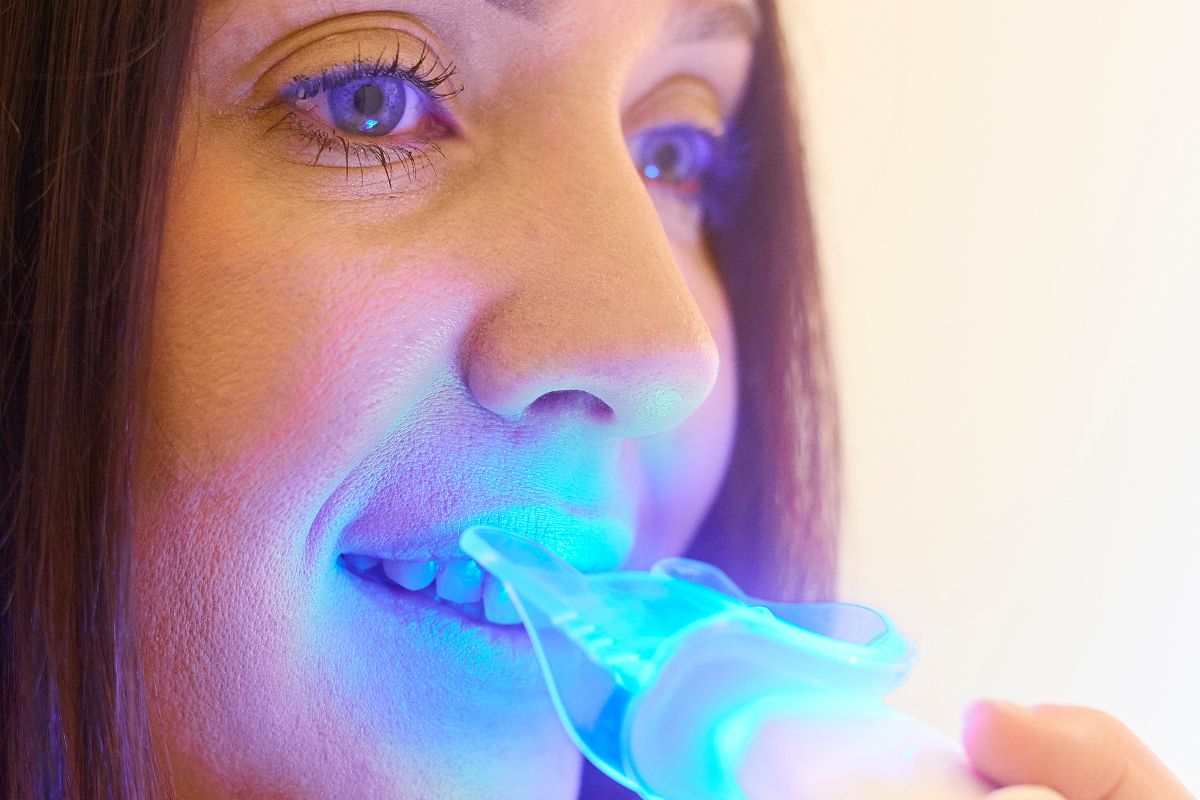
Teeth whitening treatments can significantly enhance the appearance of your smile, boosting your confidence and overall oral health. However, maintaining those pearly whites requires careful diet consideration, especially in the days immediately following the treatment. Here’s a comprehensive guide on what to eat after teeth whitening to ensure you get the best and longest-lasting results.
Understanding Teeth Sensitivity Post-Whitening
Teeth whitening treatments, whether done professionally or at home, can leave your teeth temporarily more porous and sensitive. This increased sensitivity means your teeth are more susceptible to staining and discomfort. Therefore, adhering to a specific diet can help protect your newly whitened teeth and reduce any discomfort.
Foods to Embrace
- White and Light-Colored Foods
- Chicken and Turkey: Lean, skinless poultry is a great source of protein and is light in color, minimizing the risk of staining.
- Fish: White fish like cod or haddock are excellent choices. Avoid richly colored fish like salmon or mackerel.
- Pasta and Rice: Plain pasta and white rice are safe options that won’t stain your teeth.
- Potatoes: Mashed, baked, or boiled potatoes are gentle on your teeth and won’t cause discoloration.
- Cauliflower: This versatile vegetable can be eaten raw, steamed, or roasted without risking your whitening results.
- Dairy Products
- Milk and Yogurt: Both are rich in calcium and have a neutral color, making them ideal for post-whitening consumption.
- Cheese: Particularly white cheese like mozzarella or cottage cheese, which can help protect your teeth from staining and decay.
- Fruits and Vegetables
- Bananas and Apples: These fruits are not only healthy but also light in color, making them safe to eat after whitening.
- Cucumbers and Celery: Both are crunchy, hydrating, and good for your teeth.
- Beverages
- Water: The best choice to stay hydrated and help rinse away any food particles that might cause staining.
- Milk: Besides being good for your bones, milk can help maintain the whiteness of your teeth.
Foods to Avoid
- Dark-Colored Foods and Drinks
- Coffee and Tea: Both can cause significant staining. If you can’t avoid them, try drinking through a straw to minimize contact with your teeth.
- Red Wine: Known for its staining properties, it’s best to avoid red wine post-treatment.
- Cola and Dark Juices: Beverages like cola, cranberry juice, and grape juice should be avoided due to their high staining potential.
- Soy Sauce and Balsamic Vinegar: These condiments can cause dark stains and should be used sparingly or avoided.
- Acidic Foods
- Citrus Fruits: Oranges, lemons, and grapefruits can increase tooth sensitivity and should be avoided.
- Tomatoes and Tomato-Based Sauces: These are acidic and can lead to staining, so it’s best to limit their consumption.
- Sweets and Sugary Foods
- Candy and Chocolate: These can contribute to tooth decay and should be avoided or consumed in moderation.
- Sugary Drinks: Sodas and energy drinks are high in sugar and can erode enamel, making teeth more susceptible to staining.
Tips for Maintaining Your Bright Smile
- Rinse After Eating: Rinse your mouth with water after consuming any food or drink that might stain your teeth.
- Use a Straw: For beverages that can stain, using a straw can help minimize contact with your teeth.
- Practice Good Oral Hygiene: Brush and floss regularly to keep your teeth clean and free of plaque that can cause staining.
- Schedule Regular Cleanings: Regular dental cleanings can help maintain your whitening results and overall oral health.
Conclusion
Your post-whitening diet plays a crucial role in maintaining the brightness and health of your teeth. By choosing light-colored, non-acidic foods and avoiding those that can stain or erode enamel, you can enjoy a dazzling smile for longer. Always consult with your dentist for personalized advice and follow their recommendations to achieve the best results. Happy smiling!